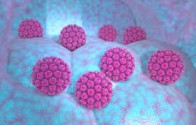
Actinic keratosis (AK) is a common precancerous lesion that forms on photo-damaged skin, particularly affecting older adults and immunocompromised individuals. AK is a significant global health burden, with an estimated 1.1 billion individuals affected worldwide, and it carries the serious potential to progress into cutaneous squamous cell carcinoma (cSCC), a type of non-melanoma skin cancer (NMSC) that can metastasize. The overall lifetime risk for an AK lesion to transform into cSCC is estimated to be 6–10%.
The pathogenesis of AK is complex, involving multiple mechanisms such as inflammation induced by UV radiation, oxidative stress, and dysregulation of cell growth pathways and apoptosis. Alongside chronic sun exposure, human papillomaviruses (HPVs) have been increasingly identified as potential cofactors in the development of AK. This link between HPV skin infection and AK drove researchers to investigate HPV-targeted strategies for both the therapeutic and preventive management of this condition. Specifically, the potential role of HPV vaccination, initially designed to target mucosal α viral genotypes, emerged as a promising, yet under-explored, potential solution for managing AK.
Key Findings
The review synthesizes substantial evidence supporting the role of HPVs in AK pathogenesis and highlights emerging data on vaccine efficacy:
• HPVs, primarily types belonging to the β and γ genera, are frequently suggested to play a cofactor role in AK development alongside chronic UV irradiation and immunosuppression.
• In one systematic review including 724 AK patients, the majority of detected HPV types belonged to the β (58.49%) and γ (40.25%) genera, while only 0.94% were α subtypes.
• In cutaneous carcinogenesis, HPV E6 and E7 oncoproteins are believed to be required only at the initiation stage, enhancing the accumulation of UV-induced mutations and inhibiting apoptosis through a “hit-and-run” mechanism.
• Clinical data from the VAXAK randomized clinical trial showed that the 9-valent HPV vaccine resulted in a significantly greater reduction in AK lesion burden in immunocompetent adults compared to placebo. At 12 months, the vaccinated group showed a 58% reduction versus 47% in the control group.
• Possible mechanisms explaining the effectiveness of α-HPV vaccines include cross-protection against β-HPV types, enhancement of both innate and adaptive immune responses in the skin, and attenuation of viral oncoproteins (E6 and E7) leading to the reactivation of tumor suppressor pathways like p53 and Rb.
The novelty of this research area lies in the unexpected clinical evidence suggesting that licensed HPV vaccines, which are based on L1 viral capsid protein targeting mucosal α-HPV types, may still confer a beneficial effect on both the number and size of AK lesions. Although the mechanisms are not fully elucidated, these findings support the hypothesis that α-HPV vaccination could play an immunomodulatory and immunopreventive role in managing skin cancer precursors.
For future implication, the most significant step forward will be the development of new vaccines specifically targeting the β-HPV types most strongly associated with AK and cSCC. Since achieving universal coverage with L1-based VLP vaccines against a broad spectrum of β-HPVs presents a challenge due to type-specific antibody generation, future directions include alternative approaches:
1. Developing L2-based vaccines which target the highly conserved minor capsid protein L2, aiming for broader cross-reactivity against various β-HPVs.
2. Focusing on T-cell based vaccines to enhance cell-mediated immunity against HPV antigens, which could offer a therapeutic approach to treat existing skin tumors.
This line of research lays the groundwork for establishing immunopreventive strategies and clarifying the multifaceted interplay between UV damage, immunosuppression, and viral cofactors in cutaneous carcinogenesis.
Link to the study: Actinic Keratosis and Human Papillomaviruses may their relationship constitute a new approach for actinic keratosis management