The global rise in resistance to conventional antifungal agents poses a significant and emerging challenge to public health. Fungal infections caused by opportunistic fungi, such as species of the genera Candida and Malassezia, are particularly problematic, often requiring prolonged treatments that increase the risk of resistance and therapeutic failure. Candida albicans is the most prevalent species in candidiasis, while Malassezia pachydermatis has emerged as a potential pathogen in systemic contexts. Furthermore, the virulence of these pathogenic fungi is closely linked to oxidative stress, as they possess adaptive mechanisms to neutralize reactive oxygen species (ROS), promoting infection persistence.
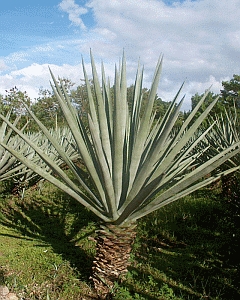
To combat this growing crisis, the search for new therapeutic alternatives has become a public health priority. Plant extracts have emerged as promising sources of new antifungal agents due to the structural diversity of their secondary metabolites, such as phenolic compounds and saponins, which possess both antifungal and antioxidant properties. The use of these compounds can damage fungal cellular structures, modulate redox balance, and potentially strengthen host defenses. The industrial cultivation of sisal (Agave sisalana) in Brazil, where the country is the world’s largest producer, generates massive volumes of underutilized residue—approximately 95% of the plant’s biomass—after fiber extraction. This residue is known to concentrate bioactive compounds, notably saponins. Therefore, investigating the pharmacological potential of this discarded agro-industrial byproduct addresses the urgent need for new antifungal therapies while simultaneously promoting sustainable strategies for the full valorization of plant waste.
Methods
This study prepared an aqueous extract and its alcoholic fraction from the crude juice obtained by mechanical pressing of the Agave sisalana residue. Antifungal activity was assessed by determining the Minimum Inhibitory Concentration (MIC) against Candida albicans ATCC 1023 and Malassezia pachydermatis ATCC 14522. The antioxidant capacity of both fractions was quantified using the 2,2-diphenyl-1-picrylhydrazyl (DPPH) assay. Phytochemical analysis determined the levels of total phenolic compounds, flavonoids, and saponins in the extracts [9, 20–22]. Finally, the cellular safety of the aqueous extract was evaluated through an in vitro cytotoxicity assessment on NIH/3T3 murine fibroblasts using the MTT assay.
Key Findings
• The aqueous extract demonstrated potent antifungal activity against Candida albicans, exhibiting 99% growth inhibition at a low concentration, achieving a Minimum Inhibitory Concentration (MIC) of 87 µg/mL.
• Against Malassezia pachydermatis, the aqueous extract acted as a moderate inhibitor, achieving 99% inhibition at a MIC of 1400 µg/mL.
• The aqueous extract exhibited superior antioxidant activity compared to the alcoholic fraction, with an IC50 of 114.62 µg/mL.
• Phytochemical screening revealed that the aqueous extract contained high levels of phenols (28.38 g/100 g GAE) and saponins (30.28 g/100 g ES).
• The superior performance (antifungal and antioxidant) of the aqueous extract is potentially related to the high content of polar compounds, specifically saponins, and the synergism among secondary metabolites.
• The aqueous extract demonstrated low cytotoxicity in NIH/3T3 fibroblasts, with cell viability exceeding 70% at concentrations up to 400 µg/mL, indicating safety for pharmaceutical or dermocosmetic applications.
This research successfully demonstrated the pharmacological potential of the aqueous extract derived from Agave sisalana plant residue, concluding that it is a promising source of bioactive compounds. The novelty of this research lies in effectively demonstrating that a commonly discarded agro-industrial residue can be valorized as a sustainable source of a potent antifungal agent against C. albicans and a strong antioxidant, thereby contributing to the development of sustainable bioproducts. The findings suggest that the enhanced effects are likely due to the high concentration of saponins and the synergistic mechanisms among the various secondary metabolites present in the aqueous phase.
The future implication of this work is two-fold: therapeutically and socio-economically. From a therapeutic perspective, the aqueous sisal extract presents an important alternative for the treatment of resistant mycoses, and new analyses will focus on isolating this extract and incorporating it into pharmaceutical formulations. From a sustainability and economic standpoint, utilizing the sisal residue opens up a new line of research that enables the economic utilization of this byproduct. This valorization effort could potentially improve the living conditions, health, and education of the population in the sisal-producing region of Bahia, Brazil, one of the poorest areas in the country.
Link to the study: https://www.mdpi.com/2079-9284/12/6/259