
Skin aging is a natural physiological process defined by the progressive deterioration of essential skin functions, including its critical ability to retain water. Insufficient hydration compromises the structural integrity of the epidermis, leading to visible signs of aging such as dryness, loss of elasticity, wrinkle formation, and a rough, dull appearance. Maintaining optimal hydration in the stratum corneum is a primary objective in developing cosmetic products intended to prevent or mitigate these signs. To achieve this, humectants and moisturizers are routinely incorporated into formulations to reduce transepidermal water loss and promote water retention.
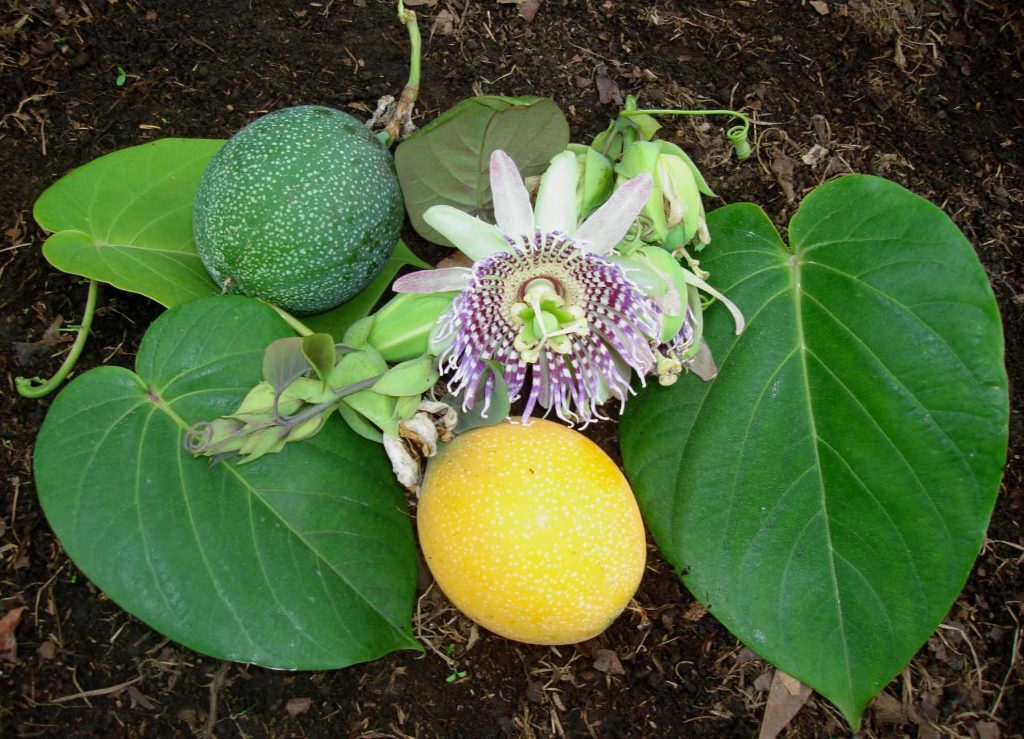
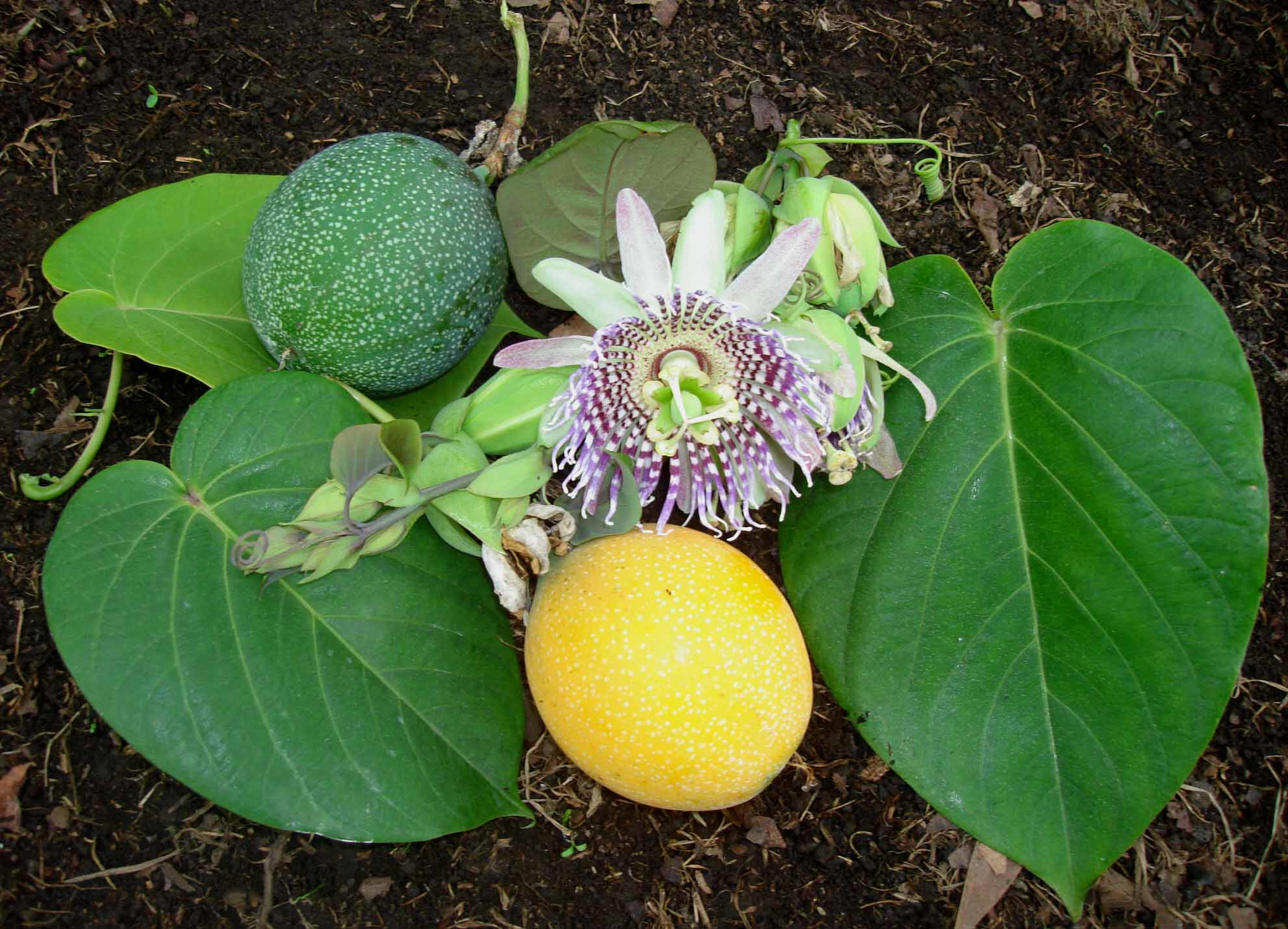
In response to the growing demand for safe and sustainable ingredients, natural compounds have gained importance in cosmetic formulation. Among these, pectins, which are plant-derived polysaccharides, are particularly promising due to their inherent functional properties, including their gelling capacity, contribution to texture and stability, and significant ability to bind water. Passiflora ligularis (granadilla), which is widely cultivated in Colombia and characterized by a diverse phytochemical profile, contains pectins within its agro-industrial by-products (peel and mesocarp). Owing to their strong water-retention capacity, pectins extracted from P. ligularis were investigated as sustainable biopolymers with potential as natural gelling and moisturizing agents in cosmetic products.
Methods
The methodology began with optimizing pectin extraction from P. ligularis peel and mesocarp using both exploratory methods (hot-water reflux and acid extraction with citric or hydrochloric acid) and a subsequent 2⁴ factorial design. This factorial design evaluated the effects of solvent (water and citric acid), extraction method (reflux and microwave-assisted), time, and temperature. The resulting pectins were characterized for properties such as moisture, acidity, methoxyl content, swelling capacity, and water retention capacity. Finally, the optimized pectin was incorporated into eight different gel-type cosmetic formulations, which were then evaluated using seven-day preliminary stability testing, focusing on physicochemical and organoleptic attributes.
Key Findings
• Optimal Extraction Conditions: Optimal pectin extraction was achieved using citric acid under microwave irradiation at 60 °C for 15 minutes, yielding 45.23%.
• Method Efficiency: Microwave-assisted extraction consistently demonstrated higher efficiency and yield compared to the reflux method. The combination of microwave assistance and citric acid proved to be the most effective condition for pectin recovery.
• High Yield: The yields obtained in this study (up to 47.37%) are comparable to or superior to those reported for pectins extracted from conventional sources like citrus peel and apple pomace.
• Pectin Classification and Quality: The extracted biopolymer was classified as high-methoxyl pectin (9.05% methoxyl content and 57.6% degree of esterification). It exhibited excellent functional characteristics, including a high swelling capacity (12.46 mL/g) and a high water-retention capacity (12.26%).
• Formulation Stability: The preliminary stability tests led to the selection of Formulation 8, which combined P. ligularis pectin with neutralized Carbomer, as the most robust and sensorially acceptable. This formulation maintained its homogeneity, viscosity, and organoleptic characteristics under thermal and environmental stress conditions.
• Moisturizing Efficacy: In vitro assays confirmed that the resulting gel formulation possessed significant moisturizing activity.
• Photosensitivity: The selected formulation (F8) was found to be photosensitive, indicating the necessity for opaque or UV-protective packaging and proper storage instructions to preserve its integrity.
This research successfully optimized the extraction of pectin from Passiflora ligularis residues, establishing an efficient and environmentally friendly method utilizing citric acid and microwave assistance. The methodological strategy maximized the yield while preserving the physicochemical properties suitable for cosmetic application, namely the recovery of high-methoxyl pectins associated with strong moisturizing potential and excellent water retention. The key novelty lies in transforming P. ligularis agro-industrial waste into a viable, natural-origin cosmetic ingredient.
The findings highlight the potential of P. ligularis pectin as a multifunctional biopolymer for cosmetic applications, combining gelling capacity, water retention, and consumer-acceptable sensory attributes. Future implications of this work include the necessity for studies addressing the long-term stability of the selected formulation, the scalability of the extraction process for industrial application, and, crucially, clinical evaluations to further validate the safety and effectiveness of the P. ligularis pectin in topical formulations. The robustness of the optimized extraction method provides a strong foundation for scaling up production of this sustainable natural product.
Link to the study: https://www.mdpi.com/2079-9284/12/6/261