
The skin, as the largest organ, is highly vulnerable to structural and functional damage resulting from continuous exposure to environmental agents, particularly ultraviolet (UV) radiation. Excessive sun exposure, intensified by factors like ozone layer depletion, is strongly linked to various dermatological disorders, including chronic inflammation, local immunosuppression, hyperpigmentation, photoaging (premature skin aging), and skin cancers like basal cell carcinoma and melanoma.
While sunscreens using organic (chemical) and inorganic (physical) filters are routinely recommended for prevention, concerns surrounding synthetic filters persist. Synthetic organic filters, such as oxybenzone and octinoxate, have been associated with potential adverse effects on human health, including endocrine toxicity, estrogenic activity, bioaccumulation, and penetration into the bloodstream, breast milk, and urine. Moreover, these compounds contribute significantly to environmental impact, particularly in aquatic ecosystems, where they can cause coral bleaching and harm fish reproduction and mollusks.
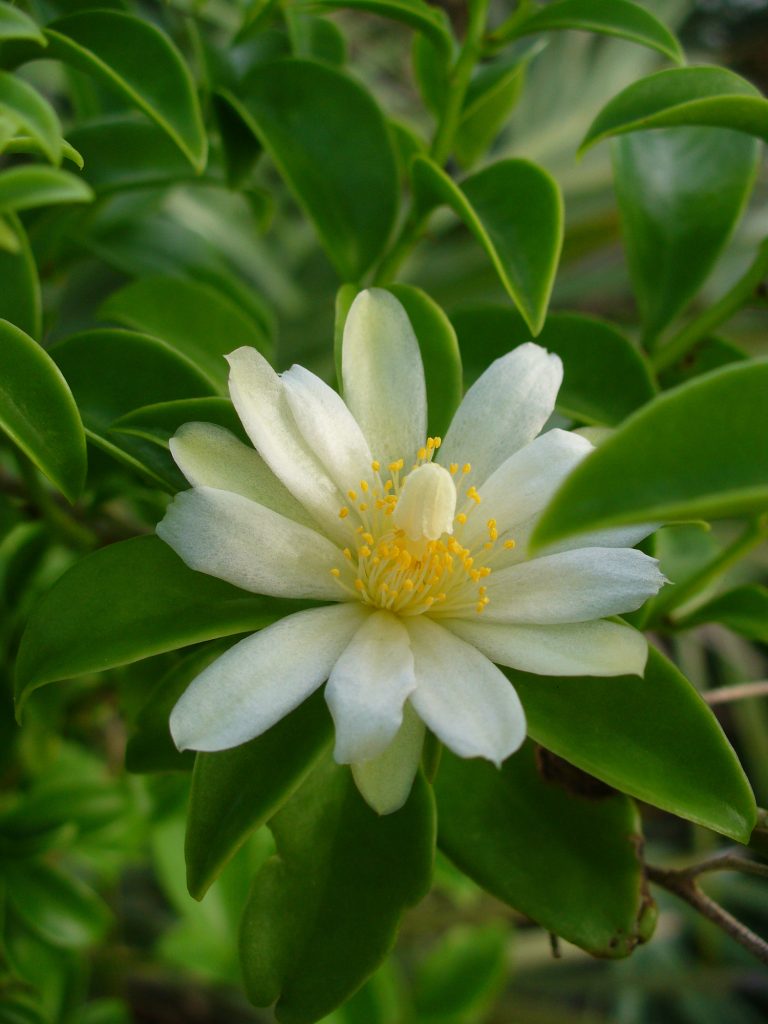
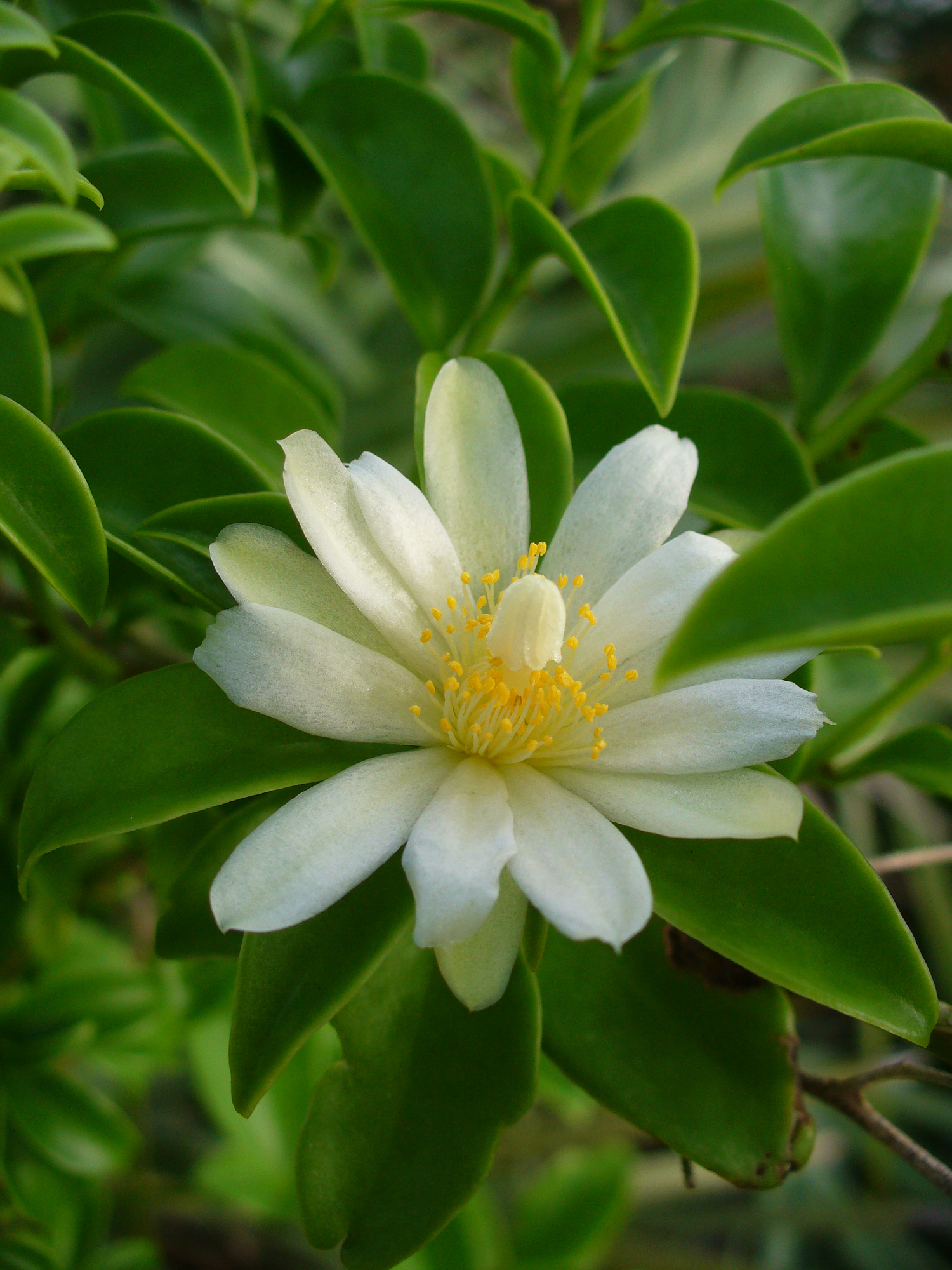
Due to the limitations and risks associated with conventional synthetic filters, there is a focused effort in scientific research and the cosmetics industry to develop safer and more environmentally sustainable sunscreens. Plant extracts and natural bioactive compounds are receiving increased attention for use in multifunctional dermocosmetic formulations. These natural substances—like flavonoids and carotenoids—can function as natural UV filters by absorbing radiation, while simultaneously exhibiting potent antioxidant activity to protect the skin from reactive oxygen species (ROS) generated by UV light. This study specifically considered Pereskia aculeata Miller (ora-pro-nobis), a Brazilian non-conventional edible plant (PANC) known for its traditional medicinal use and rich phytochemical profile. Its leaves are rich in antioxidant compounds such as polyphenols, carotenoids, and flavonoids, making it a promising candidate for photoprotective formulations.
Material and Methods
The study utilized a hydroethanolic extract prepared from dried P. aculeata leaves collected from the UNIVÁS Botany Laboratory greenhouse. The antioxidant capacity was determined in vitro using three distinct assays: DPPH radical scavenging activity, the Ferric Reducing Antioxidant Power (FRAP) method, and the ABTS•+ method. The phytochemical profile was characterized by quantifying the total content of phenolics, flavonoids, and carotenoids. Finally, the in vitro photoprotective potential was assessed by calculating the Sun Protection Factor (SPF) using the spectrophotometric method proposed by Mansur et al. (1986).
Key Findings
• The P. aculeata extract exhibited significant antioxidant activity in all three assays (DPPH, FRAP, and ABTS), demonstrating a concentration-dependent increase.
• The DPPH assay showed the extract’s free radical scavenging capacity reaching 77.90% at 5.00% concentration.
• Phytochemical analysis confirmed high levels of bioactive compounds; the total phenolic content increased up to 267.45 µg/mL, and total flavonoids increased up to 74.57 µg/mL at the 5% concentration.
• The presence of carotenoids, which are widely recognized for their antioxidant and photoprotective properties, was also quantified, reaching 0.543 µg/g in the pure extract sample.
• The in vitro spectrophotometric determination showed that the 0.50% extract concentration yielded a calculated SPF of 10.17.
• This SPF value of over 10 indicates moderate ultraviolet protection, according to the Brazilian Health Regulatory Agency (ANVISA) standards.
Conclusion: Novelty and Future Implication
The research successfully validated the multifunctional potential of P. aculeata leaf extract, demonstrating both significant antioxidant activity and a measurable sun protection factor. The observed SPF of 10.17 at a low concentration (0.50%) is directly supported by the presence of key bioactive compounds—flavonoids, carotenoids, and phenolic acids—which act synergistically to absorb UV radiation and neutralize ROS.
The novelty of this study lies in providing systematic in vitro evaluation of P. aculeata’s photoprotective capacity combined with comprehensive phytochemical characterization, which was previously scarce in the scientific literature.
The future implication of these findings is that P. aculeata extract is a promising natural candidate for the development of natural, effective, and sustainable dermocosmetic formulations. This addresses the urgent global demand for cosmetic products that are both safe for human health and environmentally responsible, offering a viable alternative to synthetic filters. Furthermore, the findings suggest that the use of higher extract concentrations could potentially lead to even greater SPF values, reinforcing the extract’s utility as an active ingredient in photoprotective products.
Link to the study: https://papers.ssrn.com/sol3/papers.cfm?abstract_id=5784730