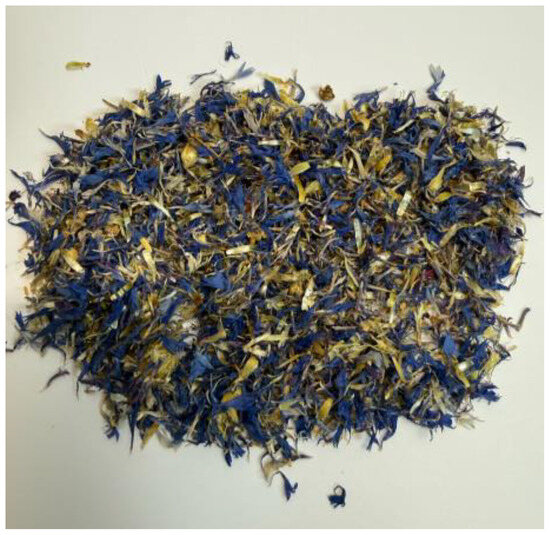
Modern skin care faces the constant challenge of protecting the epidermis from environmental stressors such as UV radiation and pollution, which contribute to oxidative stress and the disruption of the skin’s hydrolipid barrier. While consumers increasingly demand natural cosmetics rich in plant-derived bioactive substances, the traditional manufacturing of products with high extract concentrations often leads to prohibitive costs due to complex purification and solvent recovery processes. To address this economic and environmental hurdle, researchers investigated the “loan extraction” concept, which uses the final ingredients of a cosmetic formulation as the extraction medium for plant material. This solution was considered an answer to the industry’s needs because it eliminates the requirement for additional purification steps, reduces the use of harmful chemical solvents, and allows for the inclusion of up to 50% plant extract in a cost-effective and eco-friendly manner.
Methods
The researchers utilized dried Centaurea cyanus L. (cornflower) flower petals and isolated bioactive compounds using four distinct extraction media—pure water, 10% glycerin, 10% 1,3-propanediol, and a 2% surfactant mixture—which were later reincorporated into a facial serum formulation at a 50% concentration. These extracts and the final serums were meticulously analyzed using UPLC-ESI-MS/MS for phytochemical profiling, Folin–Ciocalteu assays for total phenolic content, and ABTS tests for antioxidant capacity. Product safety and quality were further evaluated through zein number assays for irritation potential, as well as mechanical and microbiological stability tests conducted over a 30-day storage period. Physicochemical parameters, including viscosity and color characterization in the CIE LAB system, were also measured to ensure the formulations met industry standards for consumer application.
Key Findings
- Superior Solvent Efficiency: The 1,3-propanediol aqueous solution proved to be the most effective extractant, yielding the highest total phenolic content (13.45 mg GAE/g) and the strongest antioxidant activity.
- Rich Phytochemical Profile: HPLC-MS/MS analysis identified vanillin as a primary antioxidant component and malic acid as the dominant organic acid, providing the serum with potential exfoliating and regenerating properties.
- Irritation Reduction: The addition of Centaurea cyanus L. extract significantly decreased the irritation potential of the serums; the formulation using 1,3-propanediol showed the lowest zein number, indicating it is very mild for the skin.
- Proven Stability: All model cosmetics demonstrated excellent mechanical and microbiological stability, showing no signs of phase separation or microbial growth after 30 days of storage.
The novelty of this research lies in the successful implementation of the “loan extraction” technology, which enables the production of facial serums with exceptionally high concentrations of bioactive ingredients at a fraction of the traditional cost. This method not only enhances the biological activity of the final product but also adheres to the principles of green chemistry by minimizing waste and energy use. Future implications of this study suggest that further optimization of extraction media, particularly focusing on specialized surface-active compounds, could lead to even more potent multifunctional cosmetic formulations tailored to specific dermatological needs.
Link to the study: https://www.mdpi.com/2079-9284/13/2/69