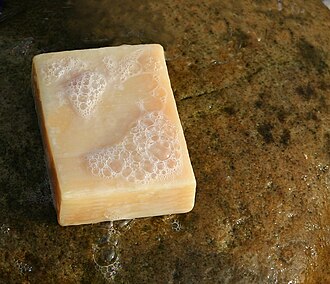
Maintaining the skin’s natural pH is critical for preserving epidermal barrier function and preventing irritation, dryness, and sensitivity. The outermost layer of skin—the stratum corneum—functions optimally in a slightly acidic environment (pH 4.5–5.5), which supports antimicrobial defense and skin integrity. However, cleansing agents like soap can disrupt this balance.
Soaps are inherently alkaline, with pH levels ranging from 8 to 10, often leading to temporary but significant increases in skin surface pH. Despite growing interest in natural alternatives, particularly cold-processed soaps made from plant oils, their effect on skin acid–base homeostasis remains underexplored. This study aimed to evaluate and compare the short-term effects of cold-processed versus hot-processed natural soaps on skin pH, filling a critical research gap in topical skin health.
Methods
A double-blind, controlled trial was conducted on 41 healthy adult volunteers. Four laboratory-formulated natural soaps were used—three cold-processed and one hot-processed—with standardized ingredients to isolate the effect of saponification method. Skin surface pH was measured using a non-invasive pH meter at three sites on the hands: before washing, and then 2, 15, and 30 minutes after standardized washing.
Key Findings
• Baseline Skin pH: Volunteers showed a physiological baseline range between pH 5.5 and 5.8.
• All Soaps Elevated Skin pH: Each soap caused a notable increase in skin pH immediately post-wash.
• Prolonged Alkaline Shift: Elevated skin pH levels persisted for at least 30 minutes after washing.
• Hot-Processed Soap Showed Greater Disruption: The hot-processed soap maintained higher skin pH longer than the cold-processed variants, indicating a more intense and prolonged disruption.
• Cold-Processed Soaps Were Milder: While also alkaline, cold-processed soaps showed a gradual return toward baseline within 30 minutes.
• Site-Specific Variation: Measurement areas like the thumb sometimes exhibited higher pH spikes, possibly due to mechanical friction or localized soap retention.
This study provides valuable insight into how natural soap production methods influence skin surface pH. Despite common perceptions of natural soaps being gentler, both cold and hot-processed variants significantly elevated pH levels beyond the optimal acidic range. However, cold-processed soaps caused less prolonged disruption compared to their hot-processed counterpart.
The research highlights the importance of pH-awareness in cleanser formulation, especially for individuals with sensitive or atopic skin. While natural soaps are popular, their alkalinity still challenges the skin’s acid mantle. Future formulations could benefit from pH-modulation strategies and improved delivery mechanisms to reduce transient barrier disturbance.
Further studies should assess additional skin health markers—such as transepidermal water loss (TEWL) and lipid profile—to comprehensively evaluate the barrier impact of cleansing agents. Including commercial products in future work will also enhance generalizability.
Link to the study: https://www.mdpi.com/2079-9284/12/3/120