
Skin dullness is a widespread dermatological concern, characterized by an uneven skin tone that often contributes to a fatigued and aged appearance, potentially making one look older than their biological age. This issue is influenced by both aging processes and poor lifestyle habits, affecting individuals regardless of their ethnicity or age. The persistent challenge of addressing dull skin, despite numerous cosmetic advancements, stems from its complex, multifactorial nature, where various underlying mechanisms contribute differently among individuals.
A significant contributing factor to skin dullness is the accumulation of advanced glycation end products (AGEs). AGEs are formed through non-enzymatic reactions where sugars bind to proteins or lipids, and their formation can be accelerated by factors like heat, excess sugar, and oxidative stress. In the epidermis, AGEs inherently possess a yellowish hue, directly causing “yellow dullness” in the skin. Beyond their direct discoloration, AGEs exert various detrimental effects by activating their receptor, the receptor for AGEs (RAGE), which is expressed on skin cells like epidermal keratinocytes, epidermal melanocytes, and dermal fibroblasts. This AGE-RAGE signaling pathway is problematic because it stimulates melanocytes to produce melanin, exacerbating pigmentation concerns. Furthermore, RAGE signaling induces inflammation and glycated cellular microenvironments impair keratinocyte differentiation, leading to compromised skin turnover and uneven skin tone. Therefore, both the presence of AGEs themselves and the downstream effects of AGE-RAGE interactions are considered major contributors to the development of skin dullness.
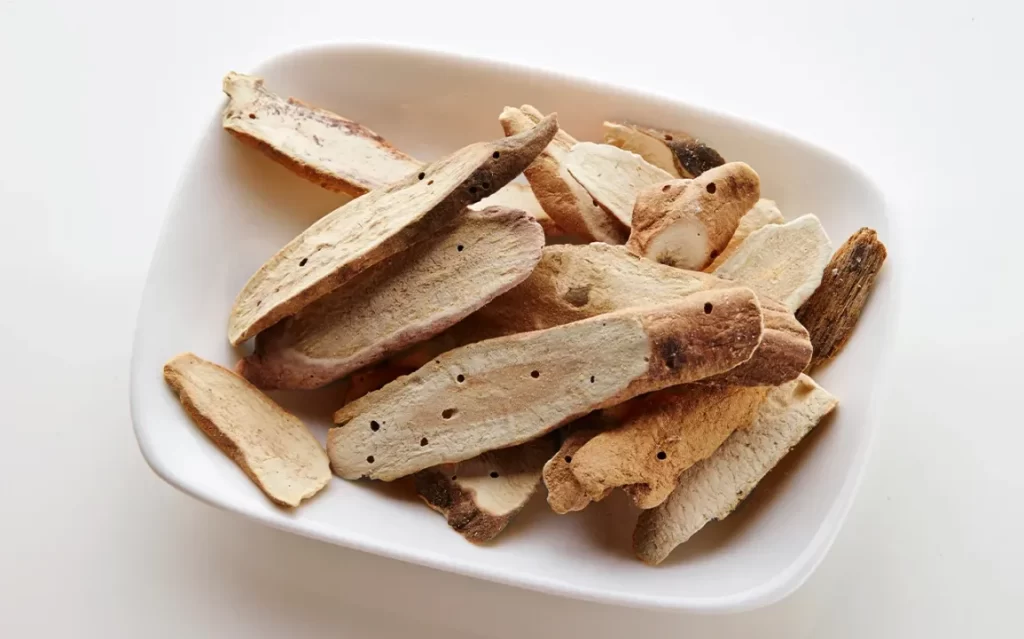
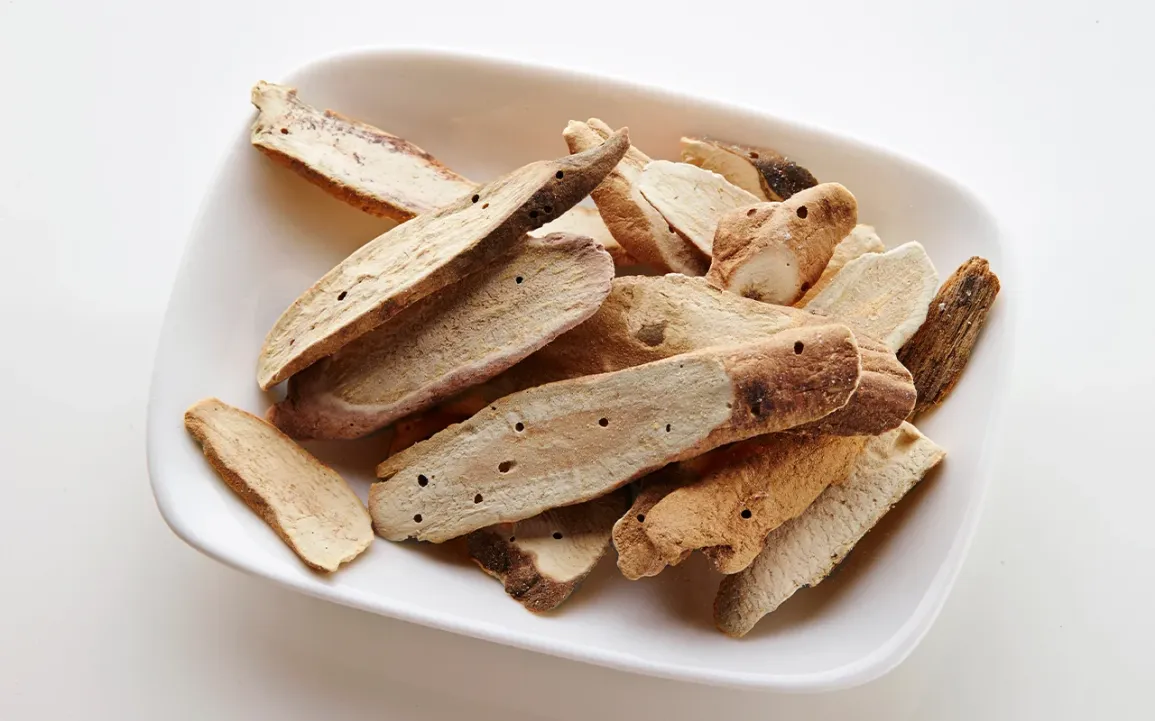
Recognizing these complex mechanisms, researchers hypothesized that by controlling AGE formation and modulating RAGE-mediated signaling, skin dullness could be mitigated, leading to a more radiant complexion. Through extensive screening of natural ingredients, peony root extract (PRE) from Paeonia albiflora was successfully identified as a promising candidate. While peonies are renowned for their ornamental beauty and their roots have long been utilized in traditional medicine for anti-spasmodic and anti-inflammatory properties, with bioactive phytochemicals like paeoniflorin and albiflorin known for their anti-inflammatory, antioxidant, and skin-conditioning activities, its specific potential to inhibit AGE formation or affect RAGE signaling had not been previously reported.
Methods
To investigate the efficacy of PRE, both in vitro and in vivo studies were conducted. In vitro experiments evaluated PRE’s ability to inhibit the binding between AGEs and RAGE using an ELISA-based assay, suppress AGE-induced melanin production in normal human epidermal melanocytes, and restore impaired keratinocyte differentiation on glycated laminin models. Additionally, the direct inhibitory effect of PRE on AGE formation was assessed by measuring autofluorescence of AGEs. For clinical validation, a 2-week randomized, single-blinded, split-face human clinical study was performed on 17 healthy male and female participants aged 40–62 years with visible facial dullness or pigmentation. Participants applied a lotion containing 1% PRE to one-half of their face and a placebo lotion to the other half, twice daily. Skin glycation levels, melanin content, and facial spots were measured at baseline and after 2 weeks using specialized devices.
Key Findings
The study yielded several significant findings supporting PRE’s potential as a comprehensive cosmetic ingredient for skin dullness:
• PRE strongly inhibits AGE–RAGE interaction: PRE demonstrated a concentration-dependent inhibition of AGE–RAGE binding, with PRE derived from Japanese-grown Paeonia albiflora reducing binding by approximately 90% and Chinese-grown Paeonia albiflora reducing it by approximately 70% at a 1% concentration. This suggests PRE acts on RAGE to block its interaction with AGEs. Notably, paeoniflorin and albiflorin, known constituents of PRE, did not show this inhibitory activity, indicating that other compounds or synergistic interactions are responsible.
• PRE suppresses AGE-induced melanin production: In normal human epidermal melanocytes, the addition of AGEs significantly increased melanin production by 37%. However, 0.4% PRE reduced this AGE-induced melanin production by 12% in a concentration-dependent manner, without cytotoxicity.
• PRE restores keratinocyte differentiation: Glycated laminin 332, a component of the epidermal basement membrane, was shown to suppress normal human epidermal keratinocyte (NHEK) differentiation, leading to reduced expression of differentiation markers K10 and TGM1. Treatment with PRE dose-dependently restored the mRNA expression levels of both K10 and TGM1, with K10 expression significantly increased at 0.4% PRE.
• PRE directly suppresses AGE formation: PRE significantly inhibited AGE formation, with the level of AGE-derived autofluorescence in the PRE-treated group being less than half of that observed in the control group.
• Positive cosmetic effects in human clinical trials:
◦ Topical application of 1% PRE-containing lotion for 2 weeks led to a significant reduction in melanin levels.
◦ A decreasing trend in cheek AGE levels was observed in the PRE-treated group.
◦ The number of dark spots tended to decrease in the PRE-treated group, while it tended to increase in the placebo group.
◦ No local irritation or adverse reactions were observed during the clinical study.
This study makes a significant contribution to cosmetic science by being the first to identify that peony root extract (PRE) possesses the dual abilities of inhibiting the AGE–RAGE interaction and directly suppressing AGE formation. The findings from human clinical trials further substantiate PRE’s cosmetic efficacy, demonstrating its potential to reduce skin dullness by decreasing melanin content, reducing visible spots, and showing a trend towards decreased AGE accumulation in human skin. This positions PRE as a multifunctional cosmetic ingredient that comprehensively addresses skin dullness.
The research highlights PRE as a promising novel approach for dullness care, especially considering that AGEs are waste products linked to lifestyle factors and aging, implying that PRE could improve AGE-induced skin dullness across diverse ethnicities. For future implications, further phytochemical investigation is warranted to identify the specific active compound(s) responsible for PRE’s inhibitory effects on the AGE–RAGE interaction, as paeoniflorin and albiflorin were ruled out. Additionally, direct experimental evidence, such as analysis of RAGE expression or downstream signaling (e.g., ERK/CREB phosphorylation), is needed to clarify the proposed mechanism by which PRE influences macrophage polarization to reduce AGE accumulation, which currently remains speculative.
Link to the study: https://www.mdpi.com/2079-9284/12/4/163