
The Issue and the Potential Solution
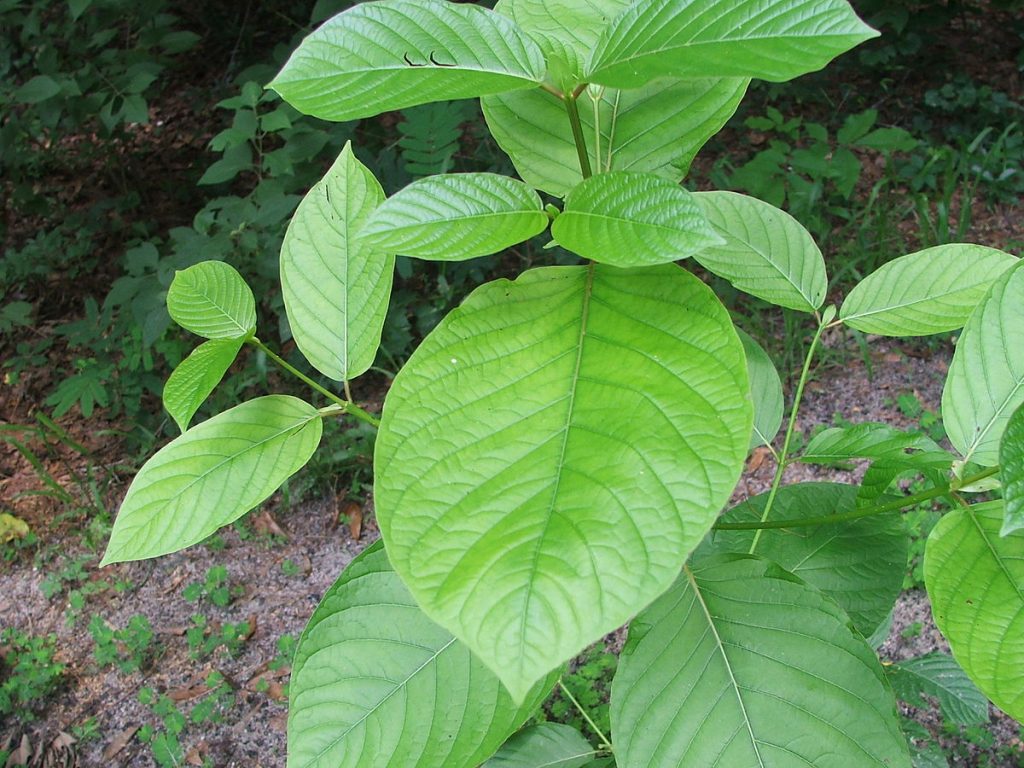
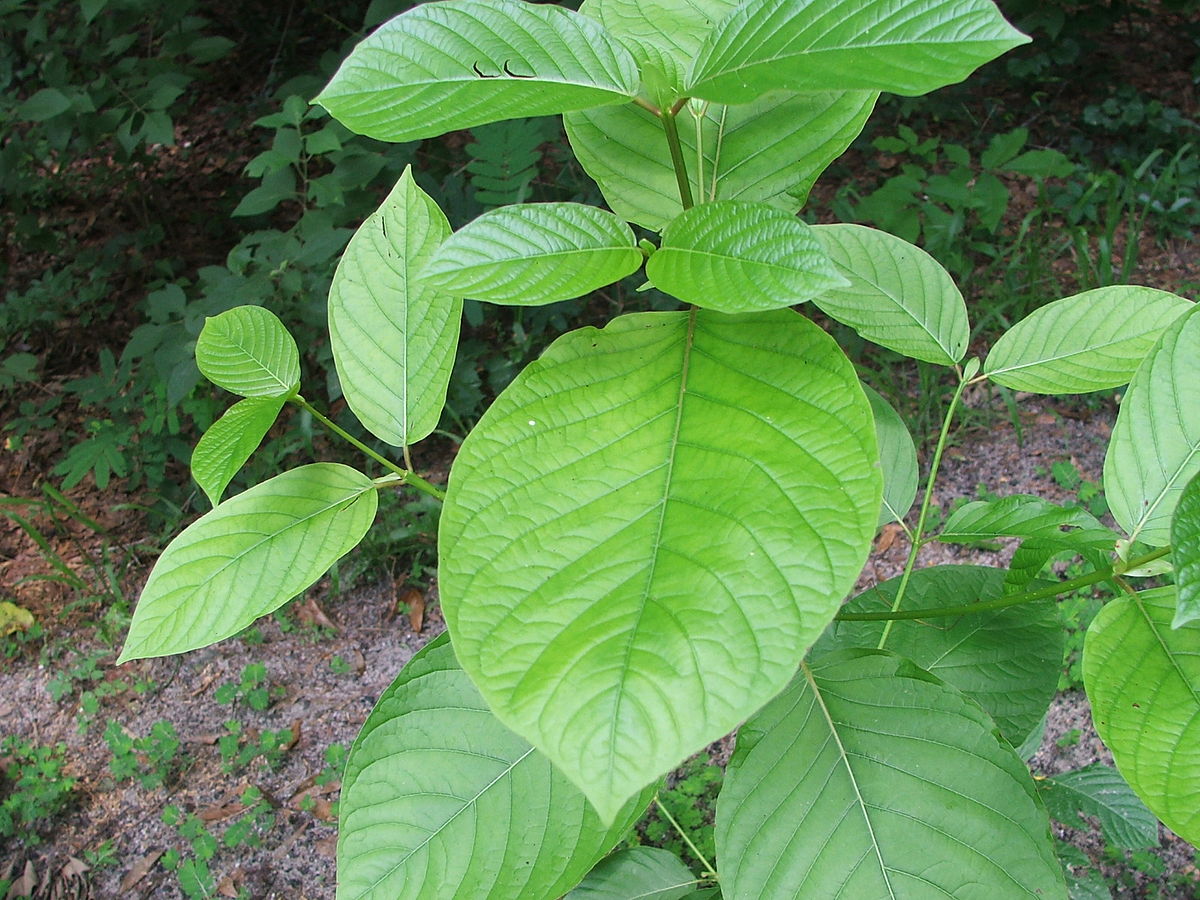
Kratom (Mitragyna speciosa (Korth.) Havil.) is a medicinal plant known for containing bioactive alkaloids, such as mitragynine, which historically provide stimulant and analgesic effects. However, significant safety concerns, especially regarding potential adverse effects at high doses or with prolonged use, severely restrict the application of Kratom leaves and mitragynine in oral pharmaceutical products.
Given these limitations, researchers have sought alternative, safer delivery routes, focusing on the plant’s potential as a topical cosmeceutical agent. Cosmeceutical relevance stems from the need to address common aesthetic concerns such as cellulite and signs of skin aging caused by oxidative stress. Plant-derived alkaloids and polyphenols are known to influence adipogenesis (fat cell formation) and modulate oxidative stress, mechanisms critical for regulating subcutaneous adipose tissue. Therefore, the potential solution explored by the authors was the development of Kratom-derived extracts and purified mitragynine for transdermal or topical applications, aiming for targeted treatment of subcutaneous fat accumulation and oxidative skin damage while minimizing systemic toxicity.
Methods
This study investigated the properties of crude ethanolic extract (Et-MS), alkaloid-rich extract (Alk-MS), and purified mitragynine. Antioxidant capacity was assessed using standard DPPH, ABTS, and FRAP assays, with total phenolic content also quantified. Cytotoxicity was determined via the MTT assay on 3T3-L1 cells to establish safe, non-cytotoxic concentrations (viability ≥80%) for testing anti-adipogenic effects. The inhibitory effects on lipid accumulation during pre-adipocyte differentiation and in mature adipocytes were subsequently quantified using Oil Red O staining on day 9 and day 10, respectively. Furthermore, a validated HPLC method was used for the quantitative analysis of mitragynine content within the starting material and the prepared extracts.
Key Findings
The investigation yielded significant results regarding both the antioxidant and anti-adipogenic potential of Kratom constituents:
• Antioxidant Strength: The ethanolic extract (Et-MS) exhibited the strongest antioxidant activity in the DPPH (EC50 = 0.06 mg/mL) and FRAP (55.54 g Fe2+/100 g) assays.
• Role of Phenolics: The potent antioxidant capacity of the crude extracts was primarily attributed to their phenolic constituents. However, purified mitragynine demonstrated intrinsic, non-phenolic antioxidant potential, showing greater activity than both extracts in the ABTS assay (EC50 = 0.16 mg/mL).
• Anti-Adipogenic Efficacy: Both the alkaloid-rich extract (Alk-MS) and purified mitragynine significantly inhibited lipid accumulation in 3T3-L1 adipocytes, reducing lipid content by up to 50–70% at non-cytotoxic concentrations (≤25 µg/mL).
• Identification of Active Compound: Mitragynine was identified as the principal anti-adipogenic constituent in Kratom extracts, demonstrating robust activity across tested ranges and outperforming standard positive controls like adrenaline and caffeine in lipid reduction during differentiation.
• Activity in Mature Cells: Alk-MS and mitragynine retained measurable, statistically significant, though modest (less than 30%), lipid-reducing effects when applied to fully mature adipocytes.
• Toxicity Consideration: Et-MS showed the lowest cytotoxicity, maintaining cell viability up to 200 µg/mL, whereas the higher potency of Alk-MS and mitragynine came with a higher level of cytotoxicity at concentrations above 50 µg/mL.
This research successfully established the dual functional properties of Kratom extracts and mitragynine, confirming both antioxidant and anti-adipogenic activities in in vitro models.
Novelty of the Research:
The key novelty of this study lies in providing the first report demonstrating the specific lipid-lowering effect of purified mitragynine in 3T3-L1 cells. This finding confirms that mitragynine is the core bioactive compound responsible for the anti-adipogenic activity observed in Kratom extracts. The study also strengthens the hypothesis that Kratom’s dual activity—reducing oxidative stress through phenolic compounds and inhibiting fat accumulation via mitragynine—makes it a promising candidate for cosmeceutical development.
Future Implications:
The findings strongly support the potential for further development of Kratom-derived ingredients as natural anti-cellulite agents and antioxidants suitable for topical or cosmeceutical formulations. Since oral use of Kratom is restricted due to safety issues, the transdermal route represents a safer, targeted strategy.
However, the proposed mechanisms, such as the involvement of signaling pathways like AMP-activated protein kinase (AMPK) or the regulation of transcription factors (PPARγ and C/EBPα), are currently speculative. Future research must incorporate molecular analyses (gene and protein expression studies) to confirm the specific mechanisms underlying the anti-adipogenic effects. Furthermore, to bridge the gap between in vitro results and practical application, subsequent work must focus on in vivo skin permeation studies, optimization of formulation strategies, and clinical evaluation to validate efficacy for topical use.
Link to the study: https://www.mdpi.com/1420-3049/30/21/4256