Interest in the process of aging and efforts to slow its progression have recently increased. Skin aging is a natural process characterized by a weakened skin barrier, reduced sebum production, and slower epidermal cell regeneration, leading to issues like discoloration, dryness, reduced elasticity, laxity, dullness, and rough texture. While intrinsic factors contribute, extrinsic factors, such as UV radiation, are the predominant drivers, accounting for approximately 80% of skin aging. These extrinsic factors generate reactive oxygen species (ROS), which trigger degeneration, lead to oxidative stress, increase matrix metalloproteinase (MMP) levels that degrade the extracellular matrix (ECM), and stimulate an inflammatory response.
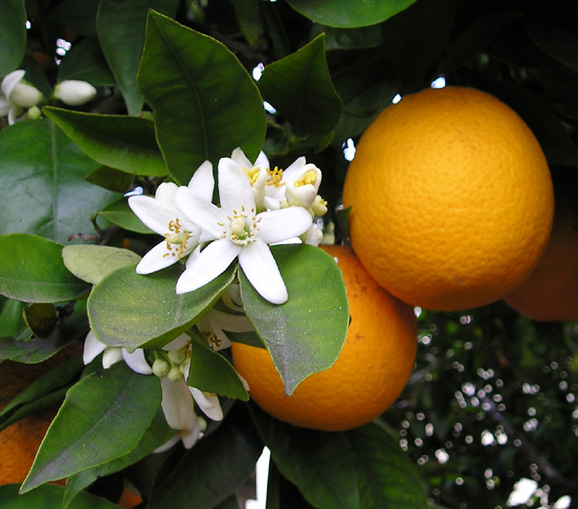
To combat these effects, consumers are showing rising awareness and purchasing behavior toward cosmeceutical products. Although synthetic anti-aging chemicals like retinol are effective, they can cause side effects such as allergic reactions, irritation, dryness, and increased sensitivity to sunlight. Given these concerns, the global market for natural and herbal beauty products is expanding steadily. Sweet orange (Citrus sinensis (L.) Osbeck) has gained attention as a natural solution due to its known anti-aging properties. Orange is rich in Vitamin C, a natural antioxidant that protects skin from free radical damage, and contains beneficial compounds like flavonoids and phenolic acids, which possess anti-inflammatory and anti-aging characteristics. C. sinensis extract was therefore comprehensively reviewed to understand its underlying biological mechanisms in combating skin aging and its potential for incorporation into effective anti-aging formulations.
Key Findings
The comprehensive review of the selected studies revealed that C. sinensis extract exhibits significant potential for mitigating skin aging through various mechanisms.
• Antioxidant Defense: C. sinensis extract significantly reduces levels of oxidative stress markers such as malondialdehyde (MDA) and enhances the activity of antioxidant enzymes, including superoxide dismutase (SOD), catalase, and glutathione peroxidase (GSH-Px). This action protects cellular structures from damage caused by ROS.
• ECM Preservation and Synthesis: The extract boosts collagen synthesis, specifically increasing Collagen I levels. Studies demonstrated that C. sinensis increased the mRNA expression levels of collagen synthesis genes (COL3A1, COL4A1, and COL7A1).
• Enzyme Inhibition: It inhibits key degradation enzymes, specifically elastase and collagenase activity. Furthermore, it reduces the protein and mRNA expression of MMP-1, MMP-2, MMP-9, and MMP-13, while simultaneously increasing the expression of tissue inhibitors of metalloproteinases (TIMP-1 and TIMP-2).
• Anti-inflammatory Action: C. sinensis exerts anti-inflammatory effects by inhibiting cyclooxygenase-2 (COX-2) activity and reducing the levels of proinflammatory cytokines such as IL-1β, IL-6, and TNF-α. It also suppresses the MAPK signaling pathway by reducing phosphorylated c-Jun N-terminal kinase (p-JNK) protein levels and inhibiting NFκB activation.
• Improved Skin Hydration and Appearance: The extract enhances skin hydration and elasticity by promoting the expression of hyaluronic acid (HA) synthase and reducing HA degradation, thereby increasing HA content. Clinical evidence suggests C. sinensis improves skin appearance by reducing erythema and dark spots, increasing skin moisture and radiance, and improving elasticity.
The research comprehensively summarized the mechanism of action of C. sinensis extract, confirming its significant potential in combating skin aging due to its robust antioxidant and anti-inflammatory properties. The extract’s dual action—neutralizing ROS and increasing endogenous antioxidant enzymes while inhibiting key inflammatory mediators and matrix degradation enzymes (MMPs, elastase, collagenase, and tyrosinase)—provides a molecular basis for its anti-aging claims.
The novelty of this review lies in compiling recent evidence regarding the underlying biological mechanisms by which C. sinensis combats skin aging at the molecular level, an area previously lacking detailed focus. Crucially, the review also highlights the unexplored potential for synergistic combinations.
For future implication, the review hypothesizes that the effects of C. sinensis can be amplified through synergistic combinations with other compounds like bakuchiol, curcumin, and silymarin. These combinations warrant further experimental investigation to validate the proposed synergistic effects. To advance the clinical application of C. sinensis, future research must also address current methodological gaps by focusing on: (1) standardizing extraction and formulation methods; (2) conducting robust, long-term clinical trials in humans; and (3) developing consistent evaluation criteria for anti-aging efficacy.
Link to the study: https://www.tandfonline.com/doi/full/10.1080/26895293.2025.2583064#d1e186