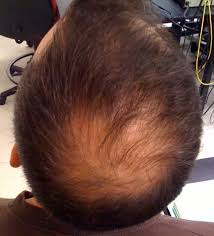
Alopecia, or hair loss, is increasingly understood not merely as a cosmetic concern but as a complex systemic disorder arising from a convergence of immune, endocrine, metabolic, and microbial imbalances within the follicular microenvironment. The hair follicle itself is a dynamic mini-organ that integrates hormonal regulation, immune privilege, and cellular bioenergetics. Despite this growing mechanistic understanding, pharmacologic interventions have traditionally been limited, with only a small number of agents—such as topical minoxidil and oral finasteride—receiving formal FDA approval for alopecia treatment. These approved agents underscore a significant gap between managing symptoms and achieving proper follicular regeneration, often leading to incomplete responses, plateau effects, or long-term adherence issues due to side effects.
The potential solution explored in this research is the shift toward multimodal intervention based on molecular precision and regenerative medicine. By elucidating intracellular signaling axes, such as JAK/STAT, Wnt/BMP, and mitochondrial redox regulation, a mechanistic framework has been established for rational therapeutic combinations that aim to restore immune balance, metabolic resilience, and structural integrity for sustained follicular regeneration.
Key Findings
• Targeting Immune Dysfunction in AA: Alopecia Areata (AA) is characterized by the collapse of follicular immune privilege, driven by interferon−γ and interleukin-15-mediated activation of the JAK/STAT cascade. Selective JAK inhibitors—including baricitinib, ritlecitinib, and deuruxolitinib—are highly effective in interrupting this self-reinforcing inflammatory cycle, thereby restoring immune balance and permitting the reentry of the hair follicle into the anagen (growth) phase.
• Multimodal Strategy for AGA: Androgenetic Alopecia (AGA) is primarily driven by excessive dihydrotestosterone (DHT) binding to the androgen receptor, which suppresses the regenerative Wnt/β-catenin pathway and promotes follicular miniaturization through mediators like DKK1 and prostaglandin D2 (PGD2). Therapeutic approaches are shifting toward layered, mechanism-complementary strategies. These include combining 5α-reductase inhibitors (finasteride, dutasteride) with low-dose oral minoxidil (LDOM) for vascular enhancement, platelet-rich plasma (PRP) or PRP-derived exosomes for trophic and Wnt/β-catenin signaling, and low-level light therapy (LLLT) to improve mitochondrial function and energy balance.
• The Regenerative Shift: Advances are extending treatment from purely suppression-based methods toward structural follicle reconstruction. Novel platforms involve stem cell organoids to reconstitute epithelial and mesenchymal assembly, as well as mesenchymal stem cell-derived exosomes and biomaterial scaffolds (e.g., hyaluronic acid hydrogels) that deliver targeted regenerative cues and suppress local inflammation.
• Metabolic and Microbial Integration: Beyond immune and hormonal factors, chronic alopecia involves impaired mitochondrial function and redox instability. Furthermore, the review identifies a crucial microbiome-mitochondria crosstalk, suggesting that modulating scalp microbial homeostasis and redox state (e.g., using antioxidants like CoQ10 or MitoQ, or postbiotic peptides) is essential for achieving durable follicular regeneration.
The novelty of this research lies in reframing alopecia as a systems-level disorder defined by the intersection of immune, endocrine, metabolic, and microbial networks, moving beyond the traditional view of a single pathogenic pathway. This integrated perspective provides the mechanistic justification for the shift toward rational, multimodal intervention. The synthesis highlights key actionable checkpoints—such as JAK/STAT inhibition and Wnt/β-catenin activation—that can be leveraged simultaneously to restore the compromised follicular ecosystem.
The future implication of this research trajectory is the advent of precision trichology. This involves utilizing integrative clinical frameworks to connect multi-omics biomarkers across immune, metabolic, and microbial domains. By employing AI-driven modeling and patient-derived follicular systems, the goal is to enable predictive and mechanism-oriented strategies, ultimately allowing for the sustainable regeneration and restoration of follicular architecture and function at the cellular, tissue, and ecosystem levels. This framework suggests that combining targeted inhibitors with bioenergetic support and microbiome-modulating agents will be the standard for achieving long-term, complete disease control.
Link to the study: https://www.mdpi.com/2079-9284/12/6/287