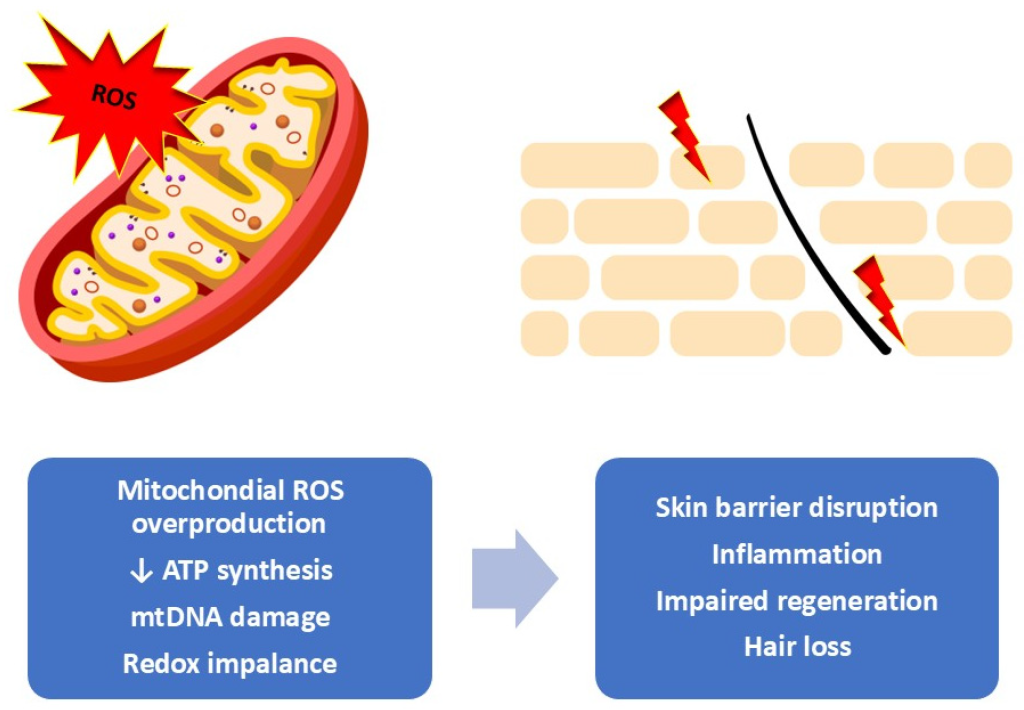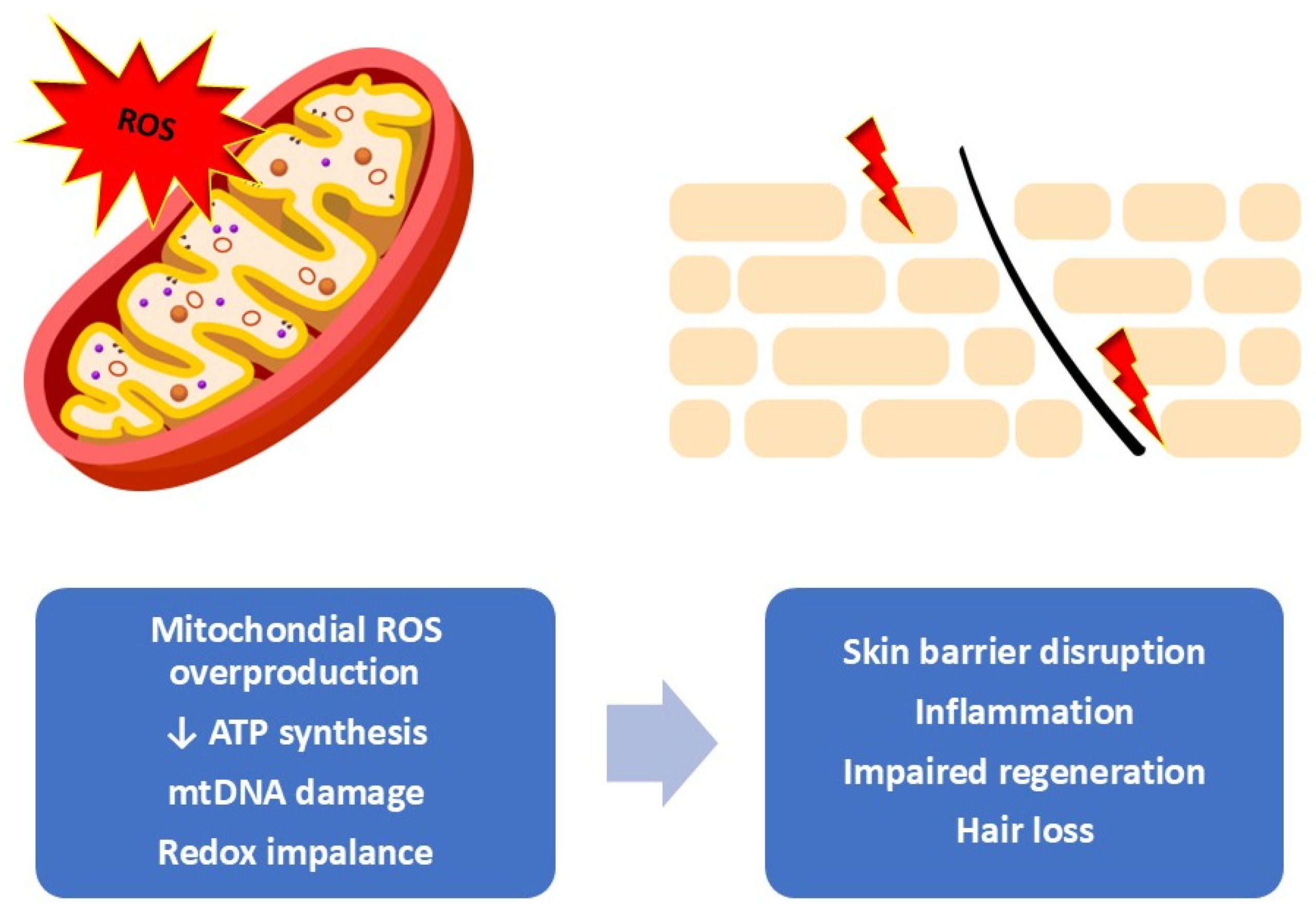

Post-oncologic skin is characterized by significant structural and functional impairments, including delayed epidermal turnover, compromised barrier integrity, and chronic inflammation resulting from chemotherapy and radiotherapy. These treatments target rapidly dividing cells, inadvertently damaging healthy skin components and inducing mitochondrial dysfunction and elevated oxidative stress. While topical antioxidants offer a potential solution to neutralize reactive oxygen species (ROS) and support cellular repair, their efficacy is severely limited by poor stability, low bioavailability, and insufficient penetration of the stratum corneum. Consequently, advanced delivery systems, particularly lipid-based nanocarriers, have been considered as an answer to these challenges because they can shield sensitive actives from degradation, enhance skin penetration, and provide a controlled release profile.
Methods
This review synthesizes scientific evidence published between 2020 and 2025 regarding skin delivery systems designed for antioxidant and mitochondria-targeted actives. It evaluates the physicochemical properties and dermatological outcomes of various platforms, including liposomes, niosomes, and nanostructured lipid carriers. The analysis focuses on how these rationally engineered systems bridge the gap between clinical manifestations of skin toxicity and formulation science.
Key Findings
• Mitochondrial Dysfunction as a Driver: Impaired mitochondrial activity is central to post-treatment skin decline, leading to reduced energy (ATP) for repair and a self-perpetuating cycle of oxidative damage.
• Superiority of NLCs and Transferosomes: Among lipid-based systems, Nanostructured Lipid Carriers (NLC) and Transferosomes (TFS) consistently demonstrate the highest efficacy in enhancing skin penetration and stabilizing labile antioxidants like Vitamin E and Quercetin.
• Protection of Labile Actives: Liposomal and niosomal systems effectively shield polyphenols and other natural actives from oxygen, light, and thermal fluctuations, preserving their biological activity.
• Specific Bioactive Benefits: Encapsulated Astaxanthin shows markedly higher antioxidant capacity than Vitamin E, while GHK-Cu tripeptides help inhibit elastin degradation and support epidermal integrity.
• Targeted Repair Mechanisms: Advanced carriers can facilitate mitophagy—the removal of dysfunctional mitochondria—and stimulate mitochondrial biogenesis via pathways like PGC−1α, supporting long-term tissue resilience.
The novelty of this research lies in its shift from traditional surface-level barrier repair toward a mitochondria-centric framework for post-oncologic care. While most current products focus on simple occlusion and hydration, this approach identifies oxidative stress-mediated mitochondrial failure as the primary pathogenic mechanism to be addressed. The future implications of this work suggest that integrating mitoprotective antioxidants into specialized lipid nanocarriers will lead to next-generation dermocosmetics that do not merely soothe the skin, but actively restore cellular homeostasis and improve the quality of life for cancer survivors.
To better understand this, one might think of the skin as a house where the electrical grid (mitochondria) has been damaged by a storm (cancer therapy); while traditional creams are like repainting the exterior walls, these advanced nanocarriers act like specialized technicians who can bypass the locked doors to repair the internal wiring and restore power to the entire building.
Link to the study: https://www.mdpi.com/2079-9284/13/1/7