Category Scientific Updates

Upcycled Postbiotic Cell-Free Supernatants as a Sustainable Solution for Oxidative Stress-Induced Hair Loss
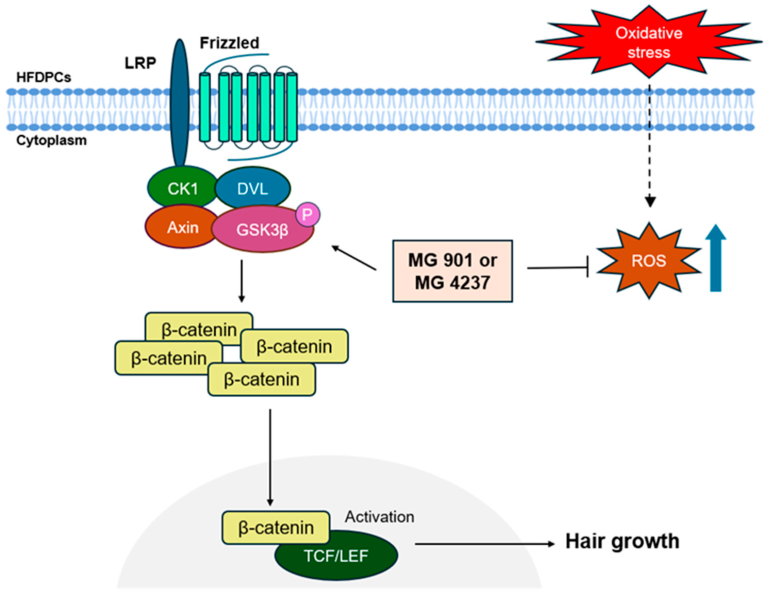
Hair loss is a multifaceted biological issue influenced by genetics and hormones, but oxidative stress is increasingly recognized as a primary driver of follicular dysfunction. Excessive reactive oxygen species (ROS) disrupt cellular homeostasis, leading to impaired metabolic activity and premature…
Read MoreUpcycled Postbiotic Cell-Free Supernatants as a Sustainable Solution for Oxidative Stress-Induced Hair Loss

The Role of Palmitoleic Acid in Skin Health: A Biomimetic Approach to Barrier Function and Repair

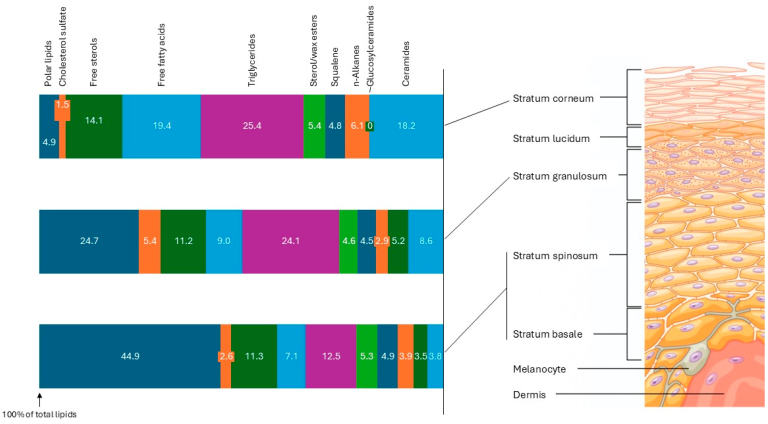
The human skin serves as a metabolically active interface that acts as the primary physical barrier against external threats, regulating transepidermal water loss (TEWL) and maintaining microbial homeostasis. Disruptions in the skin’s lipid matrix—composed of ceramides, cholesterol, and fatty acids—are…

Read MoreThe Role of Palmitoleic Acid in Skin Health: A Biomimetic Approach to Barrier Function and Repair

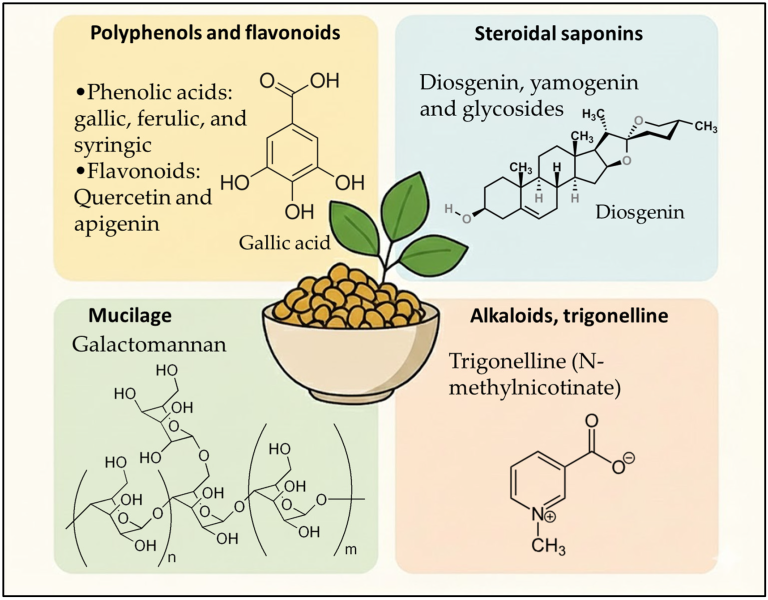
Fenugreek as a Versatile Cosmetic Ingredient: Phytochemical Profile, Skin–Hair Benefits and Formulation Opportunities

The cosmetic and personal care industry is currently undergoing a significant shift toward naturally derived and plant-based ingredients, driven by consumer demands for safety, sustainability, and transparency. Manufacturers are increasingly seeking multifunctional “cosmeceutical” actives capable of modulating complex skin targets…

Read MoreFenugreek as a Versatile Cosmetic Ingredient: Phytochemical Profile, Skin–Hair Benefits and Formulation Opportunities

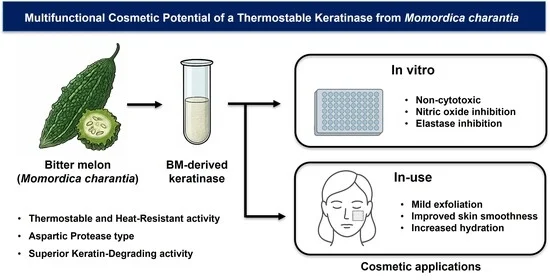
Thermostable Aspartic Protease from Bitter Melon (Momordica charantia) as a Novel Cosmetic Enzyme for Skin Exfoliation and Hydration: Enzymatic Stability and Pilot In-Use Skin Benefits

The stratum corneum, the skin’s outermost layer, often accumulates keratin-rich corneocytes due to aging, environmental stress, or hormonal imbalances, leading to a dull and rough texture. While chemical exfoliants like alpha and beta hydroxy acids are effective at removing this…

Read MoreThermostable Aspartic Protease from Bitter Melon (Momordica charantia) as a Novel Cosmetic Enzyme for Skin Exfoliation and Hydration: Enzymatic Stability and Pilot In-Use Skin Benefits

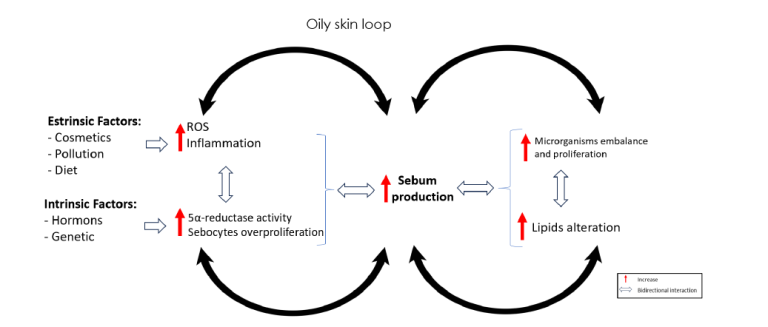
Clinical Efficacy of Isorhamnetin Extracted from Opuntia ficus-indica for Oily Skin

Oily skin is a pervasive dermatological concern characterized by the hyperactivity of sebaceous glands, leading to an aesthetic “greasy” appearance, enlarged pores, and a dull complexion. Beyond aesthetics, this condition is driven by a self-reinforcing “oily-skin loop,” where excessive sebum…

Read MoreClinical Efficacy of Isorhamnetin Extracted from Opuntia ficus-indica for Oily Skin

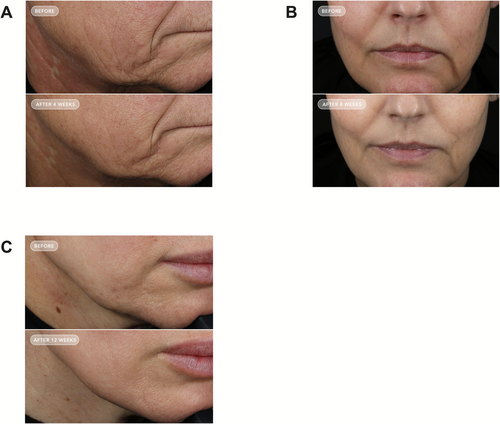
Evaluation of a Topical Volumizing Cream for Facial Aging Secondary to Rapid Weight Loss

The rise of GLP-1 and GIP/GLP-1 receptor agonists has revolutionized weight loss management, but rapid reduction in body mass often leads to unintended aesthetic consequences, such as “Ozempic Face”. This condition is characterized by a significant loss of subcutaneous fat,…

Read MoreEvaluation of a Topical Volumizing Cream for Facial Aging Secondary to Rapid Weight Loss