Category Scientific Updates

Advancing Post-Procedural Care: A Review of Tripeptide/Hexapeptide Serum Efficacy in Asian Skin

Aesthetic interventions using energy-based devices (EBDs), such as fractional CO2​ laser (FCL) and radiofrequency microneedling (RFMN), rejuvenate skin by inducing controlled thermal injury to stimulate dermal remodeling. However, these procedures inherently cause transient side effects, including erythema, edema, and compromised…

Read MoreAdvancing Post-Procedural Care: A Review of Tripeptide/Hexapeptide Serum Efficacy in Asian Skin

Green Valorization of Opuntia ficus-indica By-Products: A Review of NADES-Based Extraction and Bioactivity

The rapid growth of the prickly pear (Opuntia ficus-indica) oil industry has created a significant environmental and economic challenge: the generation of massive volumes of agro-industrial by-products. While the seeds yield only 5–10% oil, the remaining 90–95% of biomass is…

Read MoreGreen Valorization of Opuntia ficus-indica By-Products: A Review of NADES-Based Extraction and Bioactivity

The Efficacy of Upcycled Laminaria hyperborea Extract in Reversing Visible Skin Aging

The traditional understanding of skin aging has recently expanded to include porphyr’ageing, a phenomenon where porphyrins—metabolites produced by skin microbiota like Cutibacterium acnes—contribute to visible senescence,. These pro-inflammatory molecules, particularly coproporphyrin III, penetrate the skin to trigger melanin synthesis, induce…

Read MoreThe Efficacy of Upcycled Laminaria hyperborea Extract in Reversing Visible Skin Aging

Mechanistic Insights into the Anti-Acne Potential of Panax notoginseng and its Active Constituent Ginsenoside Rh2

Acne vulgaris remains a pervasive dermatological challenge characterized by overactive innate immune responses, massive leukocyte infiltration, and subsequent tissue damage or scarring. While various treatments exist, there is an increasing demand for safe, effective, and plant-derived candidates to manage acne-prone…

Read MoreMechanistic Insights into the Anti-Acne Potential of Panax notoginseng and its Active Constituent Ginsenoside Rh2

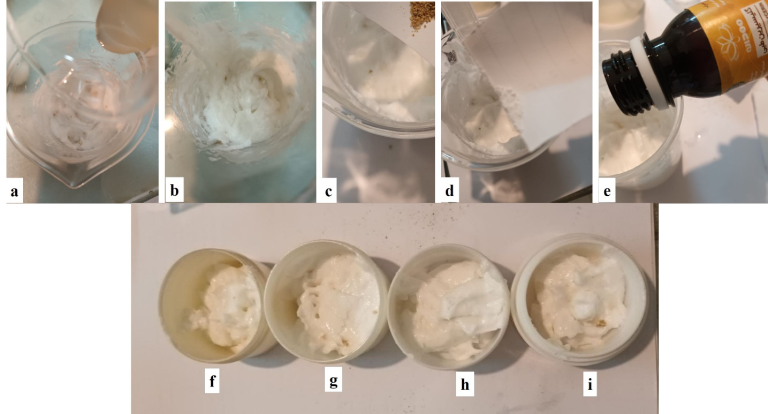
Advancing Antifungal Wound Care: A Review of Cyanobacteria-Mediated TiO₂ and Propolis Nanocreams

Wounds, defined as disruptions in tissue integrity, become a significant medical burden when they transition into chronic states that fail to heal due to physiological conditions or persistent infections. A critical global challenge is the rising drug resistance against conventional…

Read MoreAdvancing Antifungal Wound Care: A Review of Cyanobacteria-Mediated TiO₂ and Propolis Nanocreams

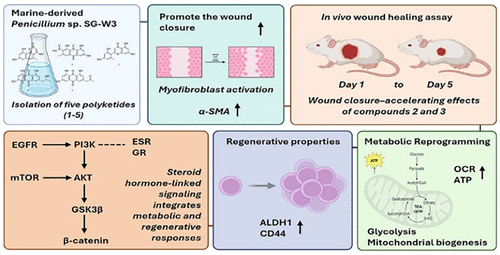
Harnessing Marine-Derived Polyketides: A New Frontier in Metabolic and Regenerative Wound Care

The clinical management of cutaneous wounds remains a significant challenge, as factors such as diabetes, advanced age, and vascular insufficiency often lead to chronic, non-healing ulcers. These conditions are associated with high patient morbidity and mortality, yet current treatments—such as…

Read MoreHarnessing Marine-Derived Polyketides: A New Frontier in Metabolic and Regenerative Wound Care

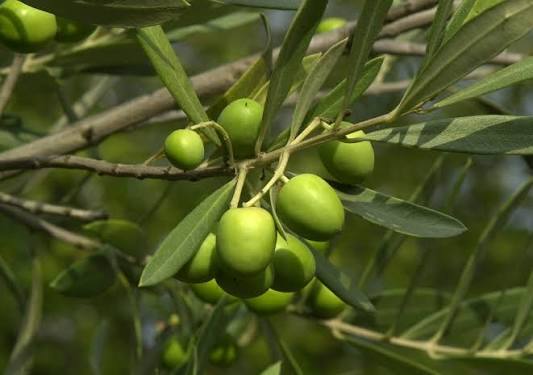
Comparative Analysis of Wild Oleaster and Cultivated Olive Leaves as Sustainable Bioactive Ingredients

The cosmetic industry faces an increasing need for sustainable, locally produced ingredients capable of withstanding shifting environmental conditions caused by global warming. While the cultivated olive tree (Olea europaea var. europaea) is prized for its bioactive leaves rich in antioxidants…

Read MoreComparative Analysis of Wild Oleaster and Cultivated Olive Leaves as Sustainable Bioactive Ingredients