

Wounds, defined as disruptions in tissue integrity, become a significant medical burden when they transition into chronic states that fail to heal due to physiological conditions or persistent infections. A critical global challenge is the rising drug resistance against conventional antifungal agents, which has severely limited the efficacy of standard treatments for pathogens like Candida albicans. To address this, a novel solution was proposed combining titanium dioxide (TiO₂) nanoparticles synthesized via the cyanobacterium Neowestiellopsis persica with propolis. This approach was considered because cyanobacteria produce biocompatible biomaterials that stabilize nanoparticles, while propolis—a natural “bee glue”—offers potent antioxidant, anti-inflammatory, and antimicrobial properties, creating a synergistic, multifunctional therapeutic system.
Methods
The researchers synthesized TiO₂ nanoparticles using cell-free extracts of N. persica and formulated a wound-healing cream containing these nanoparticles and natural propolis. The cream’s efficacy was evaluated through in vitro antifungal assays, DPPH antioxidant tests, and MTT cytotoxicity studies on human fibroblast cells. In vivo experiments were conducted on mice with C. albicans-infected wounds, comparing four different formulations over a 14-day treatment schedule. Finally, tissue regeneration was analyzed through macroscopic measurements and histopathological examinations using Hematoxylin-Eosin and Masson’s trichrome staining.
Key Findings
- Enhanced Antifungal Efficacy: The combined nanoparticle-propolis cream demonstrated the highest inhibition zone diameters and the lowest Minimum Inhibitory Concentration (MIC) and Minimum Fungicidal Concentration (MFC) against C. albicans and T. rubrum.
- Direct Fungal Destruction: Transmission Electron Microscopy (TEM) revealed that the nanoparticles (averaging 57 nm) adhered to and penetrated the fungal spore walls, causing cytoplasmic leakage and cell lysis.
- Superior Antioxidant Capacity: The formulation containing both components showed the highest radical scavenging power, which is essential for reducing oxidative stress in the wound bed.
- Accelerated Tissue Repair: In vivo results showed near-complete wound closure by day 14 in the nanoparticle-propolis group, significantly outperforming the control group.
- Improved Histological Quality: Treated wounds exhibited 100% epithelialization, increased collagen deposition, reduced inflammatory cell infiltration, and the regrowth of hair follicles.
- Biocompatibility: The cream showed acceptable cellular toxicity at therapeutic doses, with no significant reduction in fibroblast viability at low concentrations.
The novelty of this research lies in it being the first study to demonstrate the effectiveness of a therapeutic cream combining biogenic nanoparticles from cyanobacteria with propolis for animal wound healing. By integrating antifungal, antioxidant, and regenerative properties into a single formulation, this study provides a promising alternative to synthetic drugs that often face resistance. Future implications suggest that this multifunctional cream could be developed into a topical agent for clinical infected wound management; however, subsequent research must focus on long-term human skin safety and the detailed molecular mechanisms of its action.
Link to the study: https://www.nature.com/articles/s41598-026-57847-x
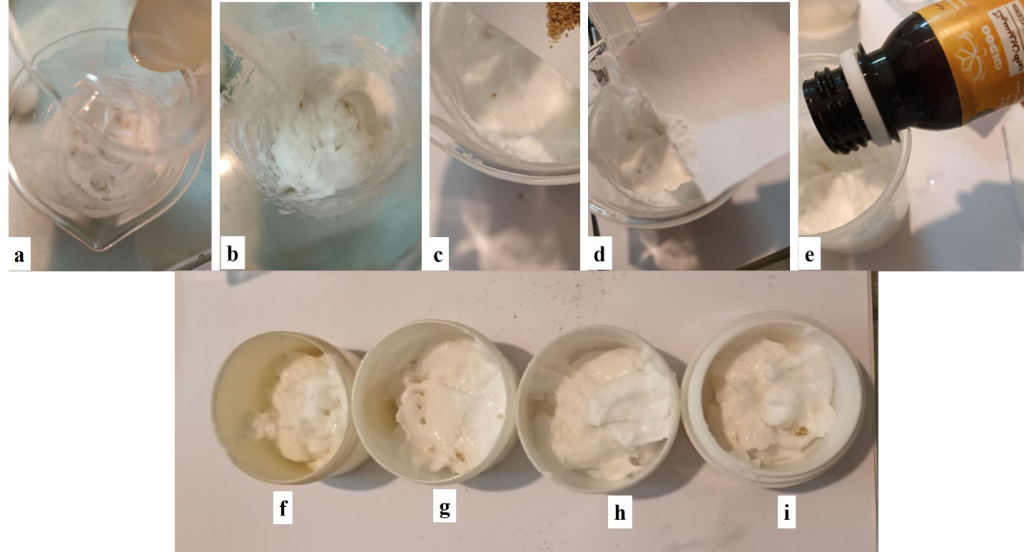
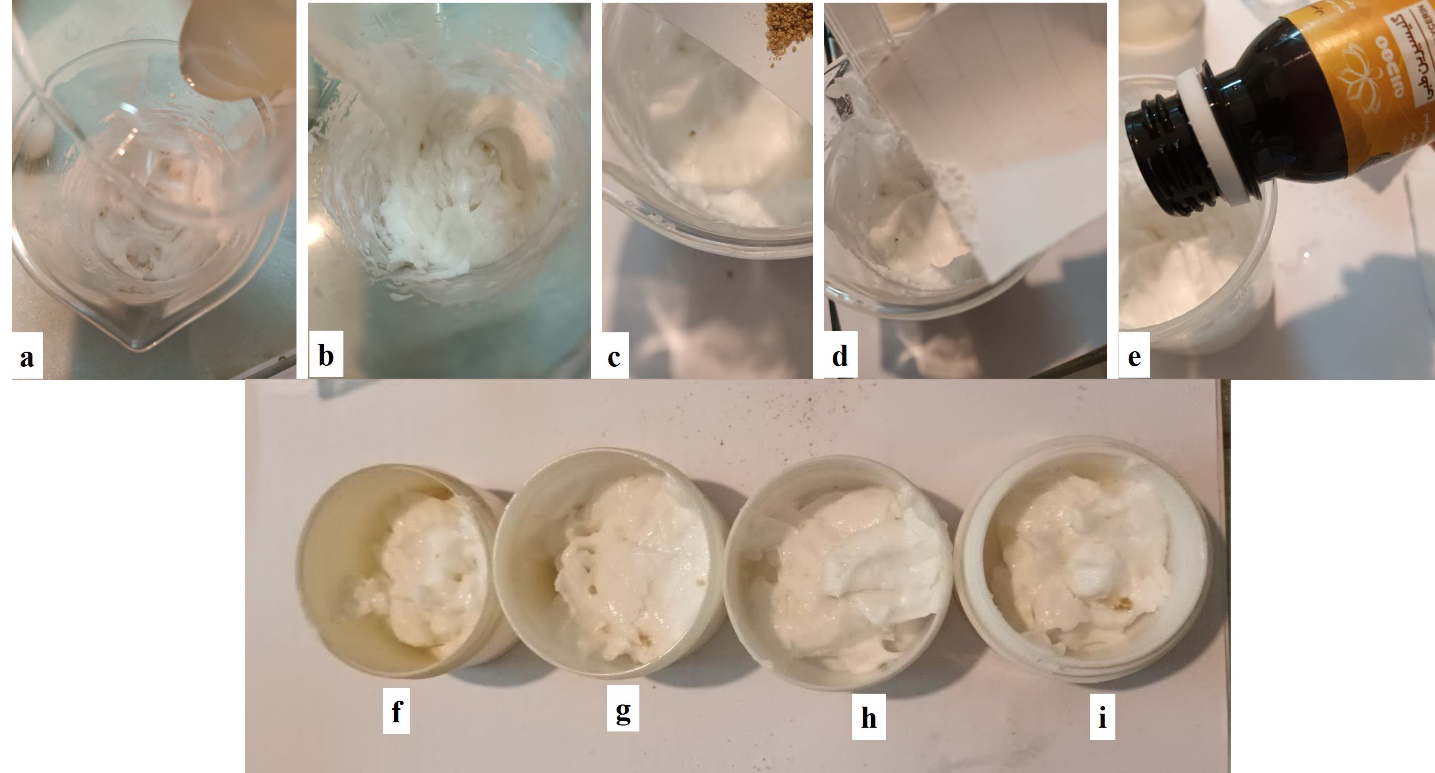
In the figure: Preparation of wound healing cream. a and b: mixing of liquid and solid phases,
c: addition of propolis, d: addition of 2% PVA NPs powder, e: addition of glycerin, f: cream
containing nanoparticles and propolis, g: nanoparticle cream, h: propolis cream, i: control
cream.