Month September 2026

Rhamnose-Enriched Halocynthia roretzi Tunic Extract for Skin Protection
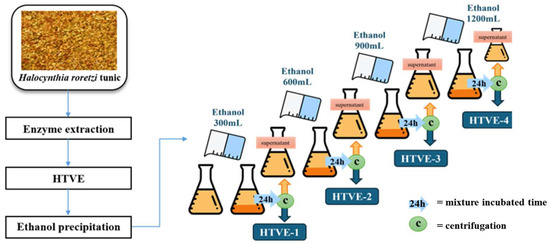
Particulate matter (PM) is a ubiquitous environmental pollutant that poses a severe threat to skin health. PM exposure causes excessive intracellular reactive oxygen species (ROS) accumulation in keratinocytes, initiating oxidative stress and activating inflammatory signaling pathways. This oxidative cascade increases…
Read MoreRhamnose-Enriched Halocynthia roretzi Tunic Extract for Skin Protection

A Review of the Anti-Aging and Skin-Lightening Efficacy of Ocimum gratissimum L. Leaf Extracts

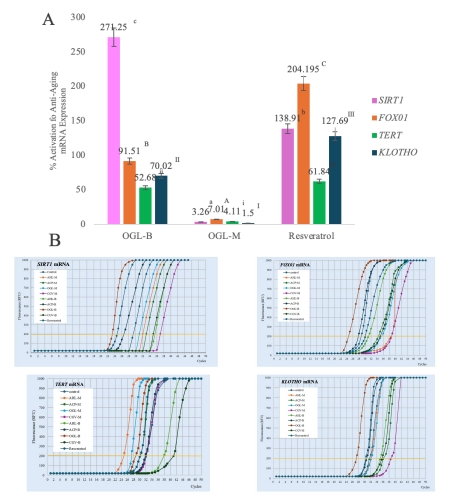
Skin aging is a complex biological process driven primarily by reactive oxygen species (ROS) from both intrinsic metabolic pathways and extrinsic environmental stressors. Excessive ROS generation triggers inflammatory cascades and activates matrix metalloproteinases (MMPs), which break down essential structural proteins…

Read MoreA Review of the Anti-Aging and Skin-Lightening Efficacy of Ocimum gratissimum L. Leaf Extracts

Glutathione Trisulphide (GSSSG) as a Novel Supersulphide Agent for Suppressing UVB-Induced Hyperpigmentation and Enhancing Skin Brightness

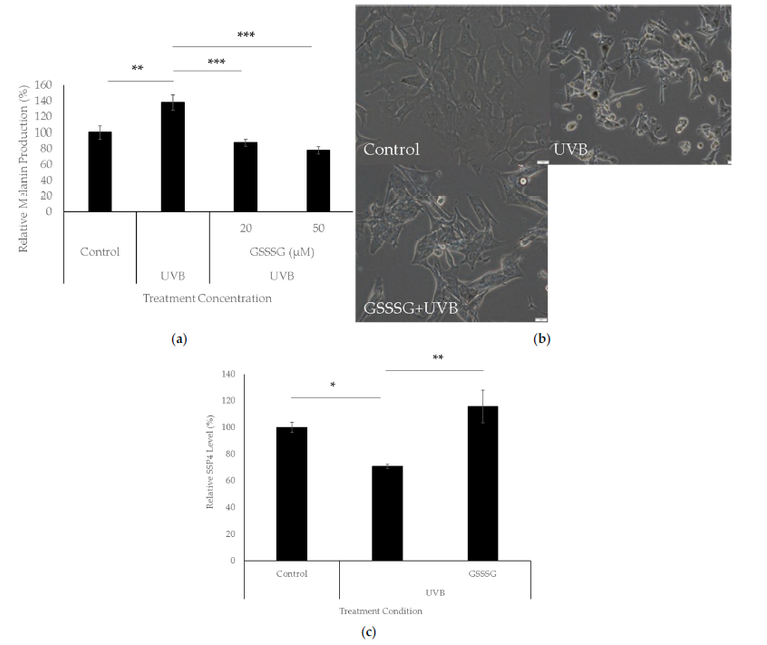
Ultraviolet B (UVB) radiation is a primary environmental factor responsible for skin damage, triggering oxidative stress, cellular inflammation, and excessive melanin synthesis in melanocytes. While melanin serves as a natural defense against UV radiation, its overproduction leads to hyperpigmentation disorders…

Read MoreGlutathione Trisulphide (GSSSG) as a Novel Supersulphide Agent for Suppressing UVB-Induced Hyperpigmentation and Enhancing Skin Brightness

Restoring the Skin Barrier: Safflower Seed Oil Ameliorates Laser-Induced Lipid Depletion via PPARγ Signaling

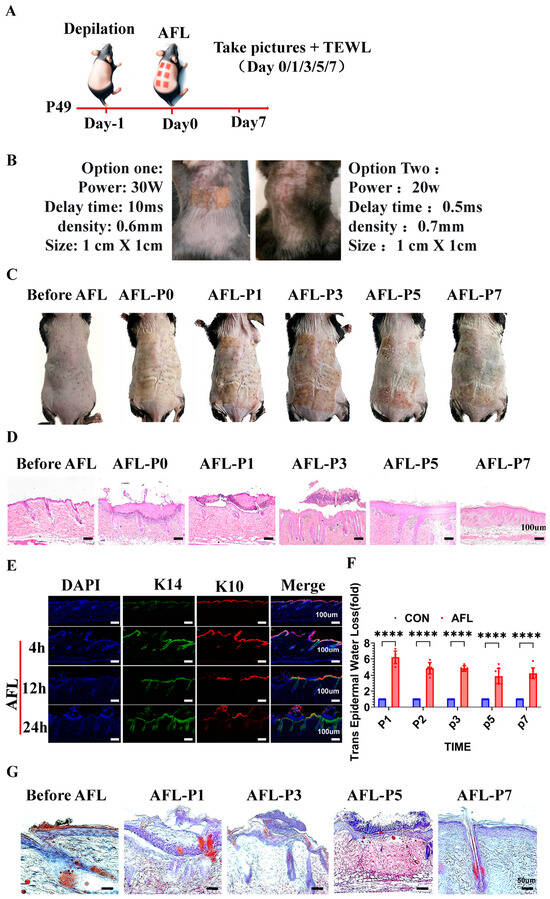
Ablative fractional laser (AFL) therapy is widely utilized in clinical dermatology to treat photodamage, scars, and skin aging by creating microthermal treatment zones that vaporize epidermal tissue and stimulate collagen remodeling. However, the procedure severely compromises skin barrier function by…

Read MoreRestoring the Skin Barrier: Safflower Seed Oil Ameliorates Laser-Induced Lipid Depletion via PPARγ Signaling

Effect of Formulation Matrix, Temperature, and Time on Formaldehyde Release from Formaldehyde-Releasing Preservatives

Formaldehyde has historically been a cornerstone in the cosmetics industry due to its exceptionally strong antimicrobial and preservative properties. However, exposure to this compound presents severe human health hazards: even at low levels, it can trigger eye and respiratory irritation,…

Read MoreEffect of Formulation Matrix, Temperature, and Time on Formaldehyde Release from Formaldehyde-Releasing Preservatives

Redefining Mineral Sunscreens: A Review of Mesoporous Silica-Supported TiO₂ for Enhanced Safety and Aesthetics

Ultraviolet (UV) radiation, particularly UVB, poses severe threats to human health, contributing to photoaging, epidermal DNA damage, and an elevated risk of skin cancer. Consequently, daily sun protection has become a fundamental focus in cosmetic formulation development. Physical sunscreens like…

Read MoreRedefining Mineral Sunscreens: A Review of Mesoporous Silica-Supported TiO₂ for Enhanced Safety and Aesthetics