

Hyperpigmentation, caused by the excessive accumulation of melanin, is a primary cosmetic concern often addressed by agents that inhibit the production of pigment through tyrosinase inhibition. However, traditional chemical agents like kojic acid or retinoids can cause side effects such as cutaneous irritation and erythema. This study considers endophytic fungi—microorganisms residing within plant tissues—as a potential solution because they are a sustainable, efficient, and metabolically rich source of novel bioactive compounds. Specifically, endophytes from the onion plant (Allium cepa) were explored due to the plant’s long history of medicinal use and the high potential for finding heat-stable, biobased alternatives that can directly decolorize or degrade existing melanin, a strategy largely unexplored in current cosmetics.
Methods
Endophytic fungi isolated from onion tissues were screened for melanin decolorization efficacy, leading to the molecular identification of Aspergillus brasiliensis (ACL05). The research evaluated various sterilization methods to preserve bioactivity and analyzed the extract’s antioxidant and anti-aging potential by testing its inhibitory effects on collagenase, elastase, and tyrosinase. A topical facial essence was subsequently formulated using the sterile extract, and its functional efficacy and physical stability were verified through centrifugation and accelerated thermal cycling.
Key Findings
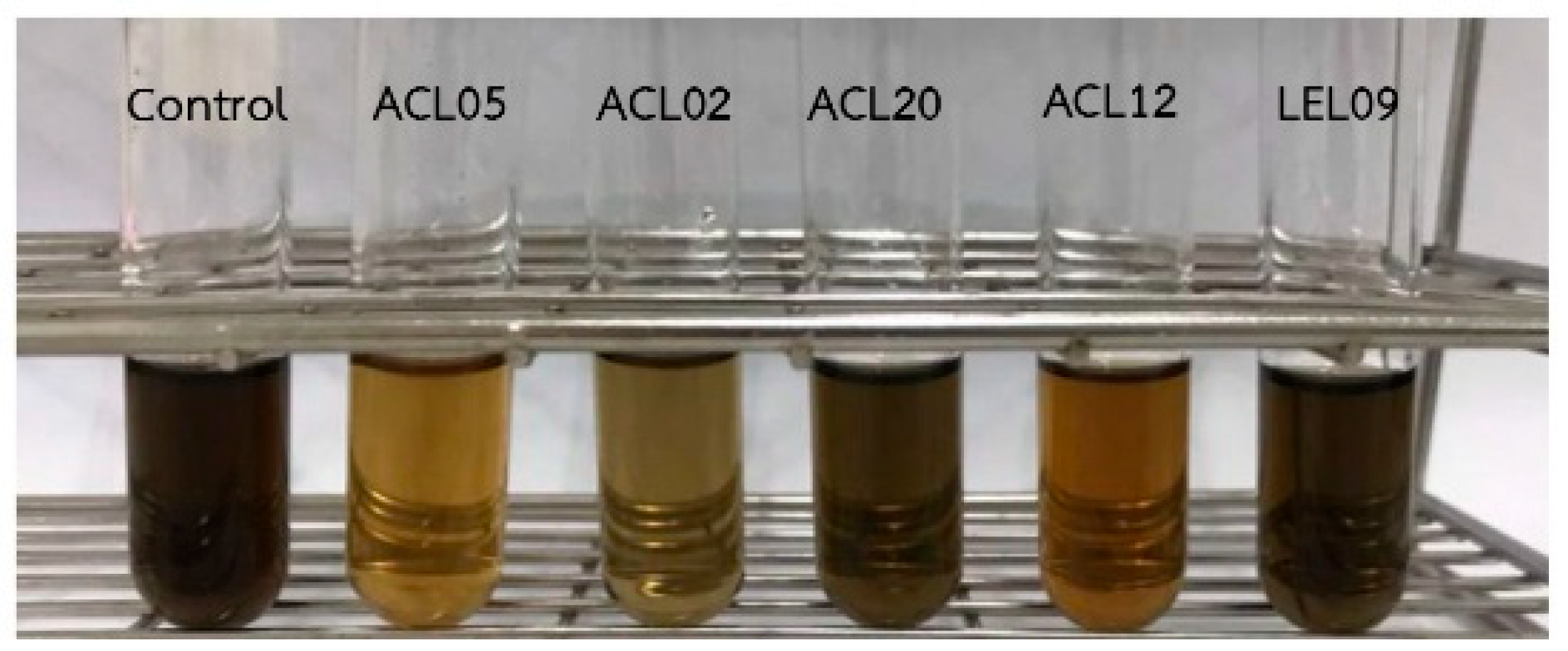
- High Decolorization Potential: Preliminary screening of A. brasiliensis (ACL05) demonstrated a maximum melanin-reducing capacity of 97.83%, primarily driven by extracellular metabolites rather than intracellular absorption.
- Sterilization Impact: While autoclaving destroyed the melanin-reducing activity, ultrasonication for 2 hours successfully sterilized the filtrate while retaining a significant decolorization efficacy of 32.54%.
- Multifunctional Anti-Aging: The ACL05 extract exhibited potent anti-enzyme activities, notably showing superior anti-elastase activity (IC50 = 8.33 mg/mL) compared to the EGCG standard, alongside significant antioxidant and anti-collagenase properties.
- Formulation Efficacy: A cosmetic essence formulated with the sterile extract achieved a 15.39% reduction in melanin content by the 21st day of incubation.
- Product Stability: The final essence demonstrated robust physical stability, maintaining its color, odor, and pH without phase separation even after rigorous heating-cooling and freeze-thaw cycles.
The novelty of this research lies in its introduction of a new paradigm for skin-whitening based on the direct degradation of melanin rather than just inhibiting its synthesis. It identifies onion-derived Aspergillus brasiliensis for the first time as a sustainable source of multifunctional bioactives that simultaneously address hyperpigmentation and skin aging. Future implications include the development of next-generation biobased cosmetic ingredients; however, further investigation into the specific isolated compounds and clinical trials on human volunteers are required to confirm long-term safety and dermatological efficacy.
Link to the study: https://www.mdpi.com/2079-9284/13/2/55
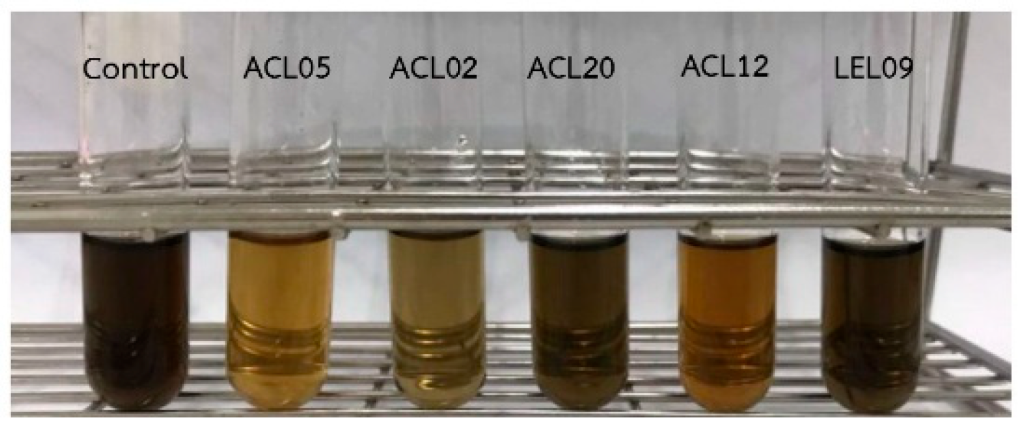
In the image: Comparison of melanin decolorization activity among selected endophytic fungal isolates relative to control.