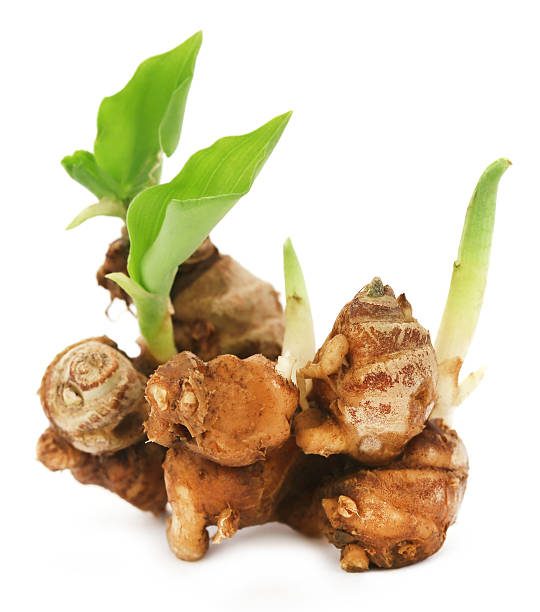
Ozone layer depletion has significantly increased the levels of ultraviolet B (UVB) radiation reaching the Earth’s surface, posing a severe threat to human skin. Prolonged exposure to UVB triggers oxidative stress, DNA lesions, and the overproduction of reactive oxygen species (ROS), which collectively lead to photoaging—characterized by wrinkles, sagging, and cellular senescence. Kaempferia galanga (aromatic ginger) was considered a potential solution because it is traditionally used for skin treatments and is rich in ethyl p-methoxycinnamate (EPMC), a compound known for its biological activities and ability to function as an organic UV filter. Researchers hypothesized that its natural antioxidant and anti-inflammatory properties could mitigate the biochemical pathways leading to skin aging.
Methods
The researchers prepared an ethanolic extract of K. galangarhizomes (EKGR), quantifying its major constituent, EPMC, using HPLC-UV. They then evaluated the extract’s photoprotective effects on primary adult human dermal fibroblasts using MTT assays for viability, SA-β-Gal assays for senescence, and ELISA for collagen and MMP-1 expression. Finally, an oil-in-water microemulsion was developed using ethyl oleate and surfactants to assess the extract’s stability and sun protection factor (SPF) enhancement.
Key Findings
- High Bioactive Content: EKGR was found to contain a significant concentration of EPMC (33.7 ± 3.7% w/w), which acts as the primary photoprotective agent.
- Reduced Cellular Senescence: Pretreatment with EKGR significantly lowered the percentage of senescent fibroblasts after UVB exposure from 36.7% to 22.2%.
- Extracellular Matrix Protection: The extract restored skin integrity by significantly increasing pro-collagen type I production while simultaneously decreasing the secretion of MMP-1, an enzyme responsible for collagen degradation.
- SPF Boosting Efficacy: When incorporated into a microemulsion, EKGR provided a concentration-dependent increase in SPF, reaching a value of 13.1 at a 1% concentration.
- Formulation Stability: The developed microemulsion demonstrated good chemical and physical stability over one month, though high-oil versions showed some susceptibility to particle-size growth at high temperatures.
The novelty of this research lies in providing the first evidence that Kaempferia galanga extract can specifically protect human dermal fibroblasts against UVB-induced cellular senescence. By acting through an integrated mechanism of UV absorbance and biological enzyme regulation, EKGR serves as a unique, dual-function cosmeceutical ingredient. Future implications suggest that EKGR-loaded microemulsions could be a cornerstone in natural anti-aging skincare, though further clinical trials and in-depth molecular studies are required to confirm these effects in human subjects.
Link to the study: https://www.mdpi.com/2079-9284/13/2/99