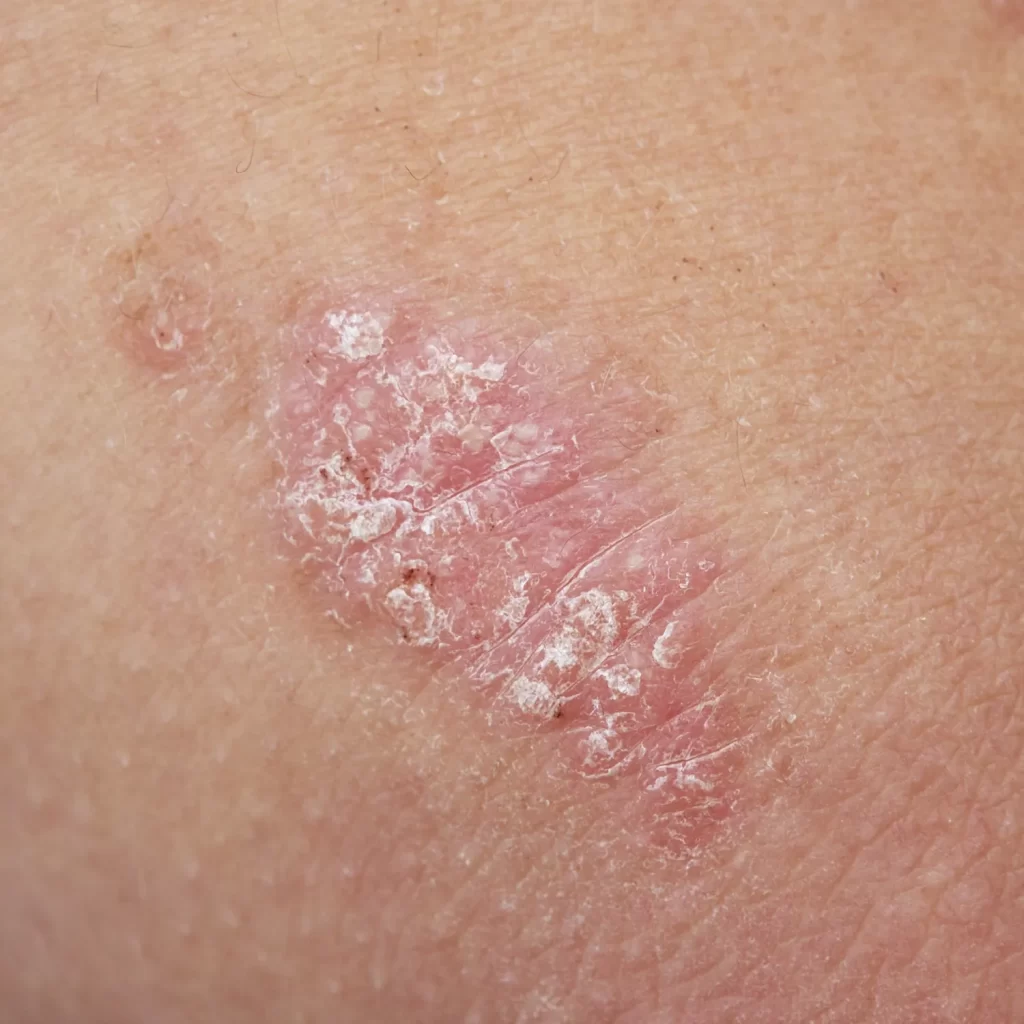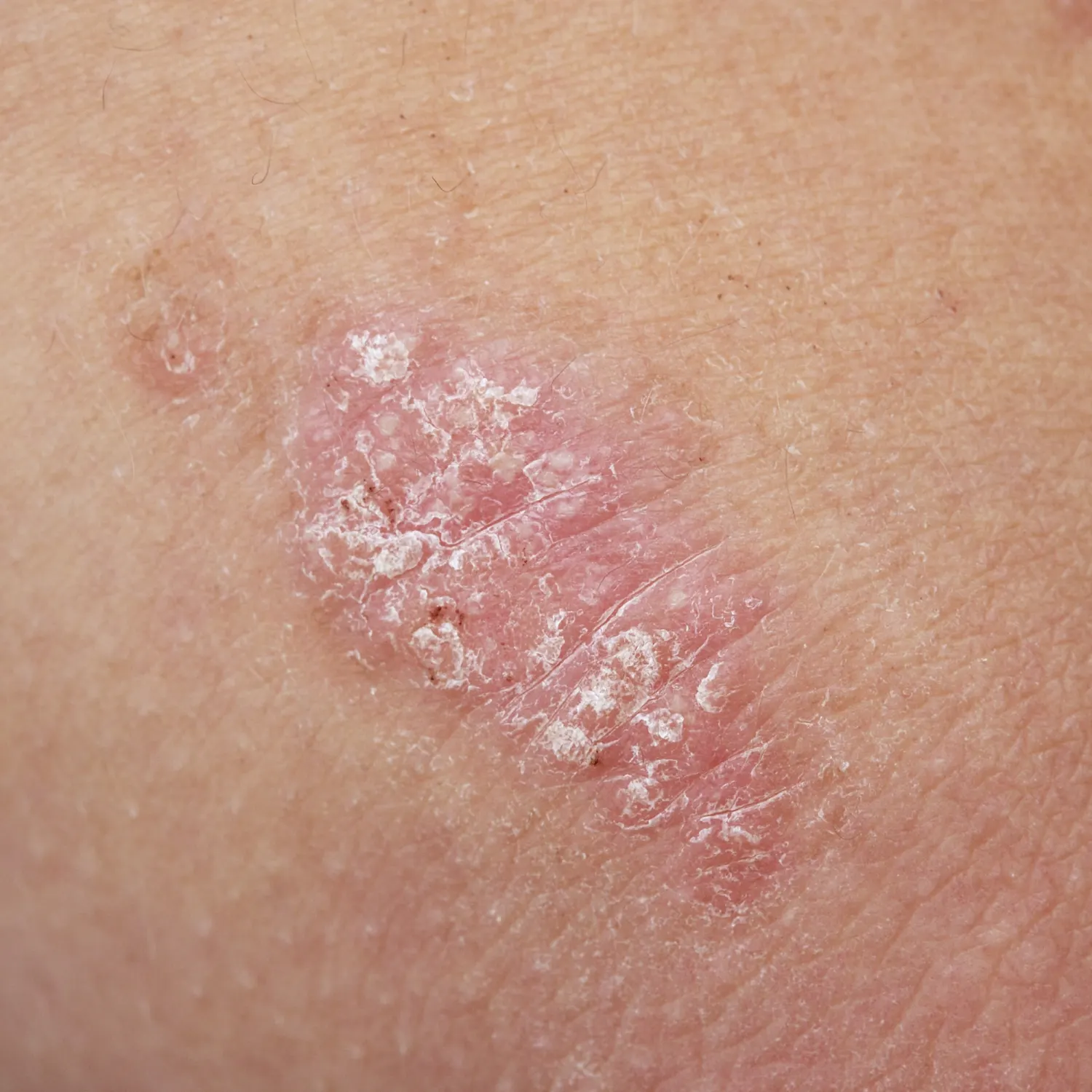

Psoriasis is a chronic inflammatory skin condition primarily driven by IL-17, which stimulates excessive keratinocyte proliferation and inflammatory cytokine release. One key chemokine, CCL20, further promotes immune cell infiltration, worsening inflammation. Current treatments, though effective, pose challenges like high costs, immunosuppression, and accessibility. This study explores betulinic acid (BA) and ursolic acid (UA), two natural triterpenoids from Morus alba extract, for their potential to suppress IL-17-induced inflammation in human epidermal keratinocytes.
Methods
Normal human epidermal keratinocytes (NHEKs) were used to study the impact of BA and UA on IL-17-induced CCL20 expression. Cell viability was first assessed to determine safe concentrations. RT-PCR and ELISA were used to measure CCL20 mRNA and protein levels. Western blotting and immunocytochemistry helped analyze signaling pathway activity and protein localization. Specific inhibitors were used to identify the pathways mediating IL-17’s effects.
Key Findings
- BA and UA were non-toxic at concentrations up to 0.3 µM and suitable for treatment studies.
- UA suppressed IL-17-induced CCL20 mRNA by 52% and protein release dose-dependently; BA reduced mRNA by 37% but showed weaker protein-level effects.
- Both the ERK1/2 and p38 MAPK pathways were identified as key in IL-17-induced CCL20 release.
- UA reduced ERK1/2 nuclear localization and its downstream target C/EBPβ expression, with modest effects on p38.
- BA reduced ERK1/2 nuclear co-localization but didn’t affect p38 activation.
- NF-κB and JNK pathways appeared non-essential in this model.
This study highlights UA’s potential in targeting the IL-17-driven inflammatory cascade in psoriasis by strongly inhibiting the ERK1/2–C/EBPβ pathway. Its limited impact on p38 suggests a need for combination therapies or the development of novel UA derivatives that can target both signaling axes. These findings open the door to safer, plant-based, multi-targeted psoriasis treatments, though further preclinical work is needed to confirm clinical viability.
Link to the study: https://www.mdpi.com/2075-1729/15/7/1073