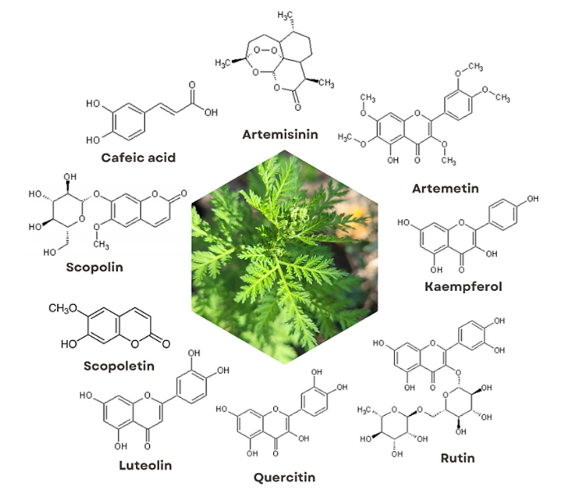
The dermatological field faces a growing challenge in protecting skin against oxidative stress, which contributes to premature aging, inflammatory conditions, and various infections. While synthetic agents are available, there is a significant shift toward natural, plant-derived compounds due to their scientifically validated benefits and generally lower risk of adverse effects. Artemisia annua L. (sweet wormwood), a plant well-known for its antimalarial efficacy, was considered a potential solution for skin care because it contains a diverse array of bioactive substances, including polyphenols, flavonoids, and sesquiterpene lactones. Despite its established pharmaceutical profile, its application in dermatocosmetics remains underexplored, offering a promising, eco-friendly resource for new formulations aimed at maintaining skin health and mitigating oxidative damage.
Methods
The research involved harvesting wild A. annua from Romania, which was dried and extracted using three techniques: maceration, heat reflux, and Soxhlet extraction. The efficiency of these methods was evaluated by varying operational parameters like solvent concentration and extraction time, followed by spectrophotometric analysis of polyphenol (TPC) and flavonoid (TFC) content. A water-in-oil (W/O) emulsion was then formulated using 3% of the most active extract as the primary ingredient. Finally, the product’s quality was assessed through physicochemical and microbiological stability tests, including pH monitoring, electrical conductivity, and centrifugal stress assessments.
Key Findings
• Optimal Extraction Efficiency: Soxhlet extraction using 50% ethanol as a solvent proved to be the most efficient method, achieving a process yield of 68.50%.
• Rich Bioactive Content: Soxhlet extraction provided the highest total polyphenol content (11.26 mg GAE/mL), while heat reflux extraction yielded the highest flavonoid concentration (7.97 mg QE/mL).
• Strong Antioxidant Potential: The extracts demonstrated significant free radical scavenging capacity in DPPH and ABTS assays, primarily due to high levels of compounds like quercetin and chlorogenic acid.
• Excellent Emulsion Stability: The formulated emulsions remained physically stable and homogeneous throughout testing, showing no signs of phase separation or coalescence even under centrifugal and vibrational stress.
• Safety and Sensory Appeal: The final product exhibited a pleasant sensory profile with a glossy appearance and met all microbiological safety standards (ISO17516:2014).
The novelty of this research lies in its position as the first study to specifically test Artemisia annua preparations for combating oxidative stress on the skin. By identifying the precise extraction parameters needed to maximize bioactive recovery, the study bridges the gap between the plant’s known medicinal properties and its practical application in the beauty industry. The future implications of these findings suggest that A. annua is a viable, high-value ingredient for commercial dermatocosmetics, though the authors note that comprehensive cytotoxicity and clinical dermatological testing are necessary next steps to fully confirm long-term safety and efficacy in human topical applications.
Link to the study: https://mail.notulaebotanicae.ro/index.php/nbha/article/view/14788/10068