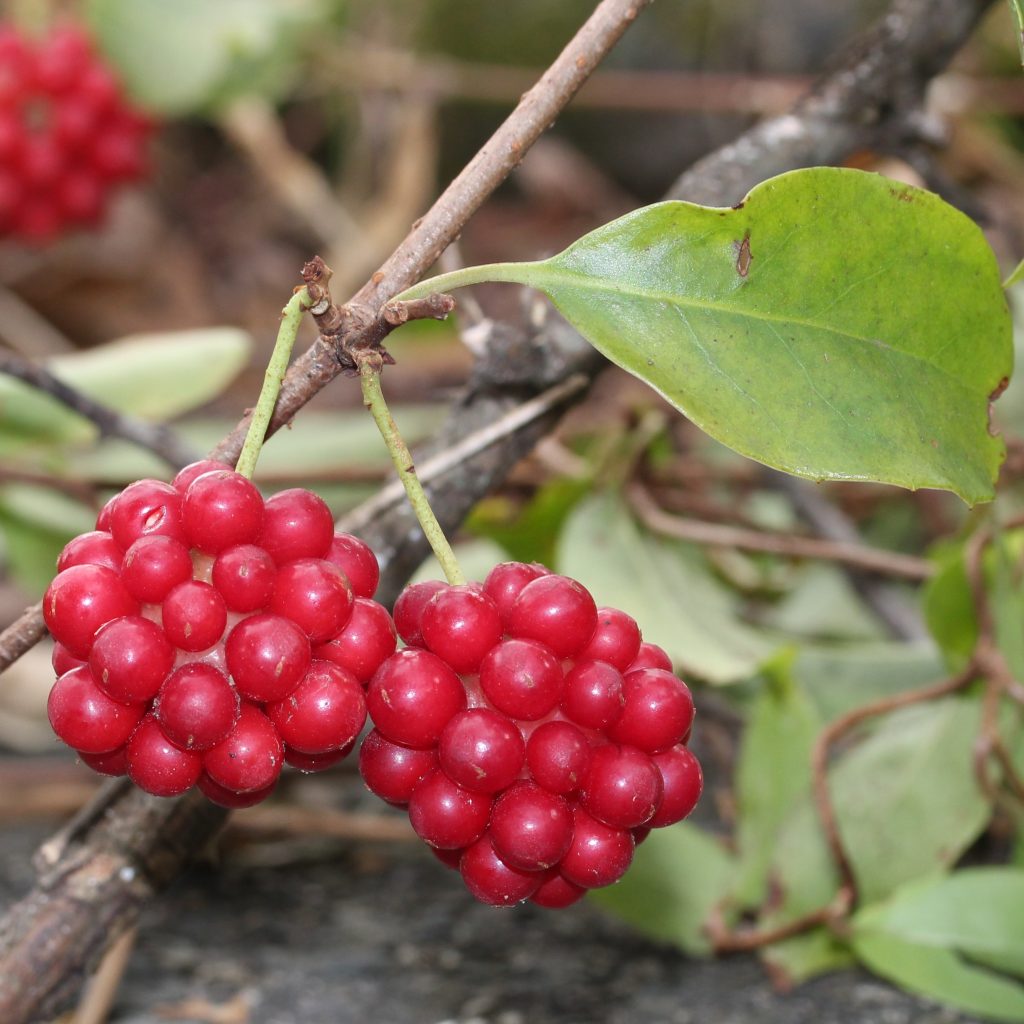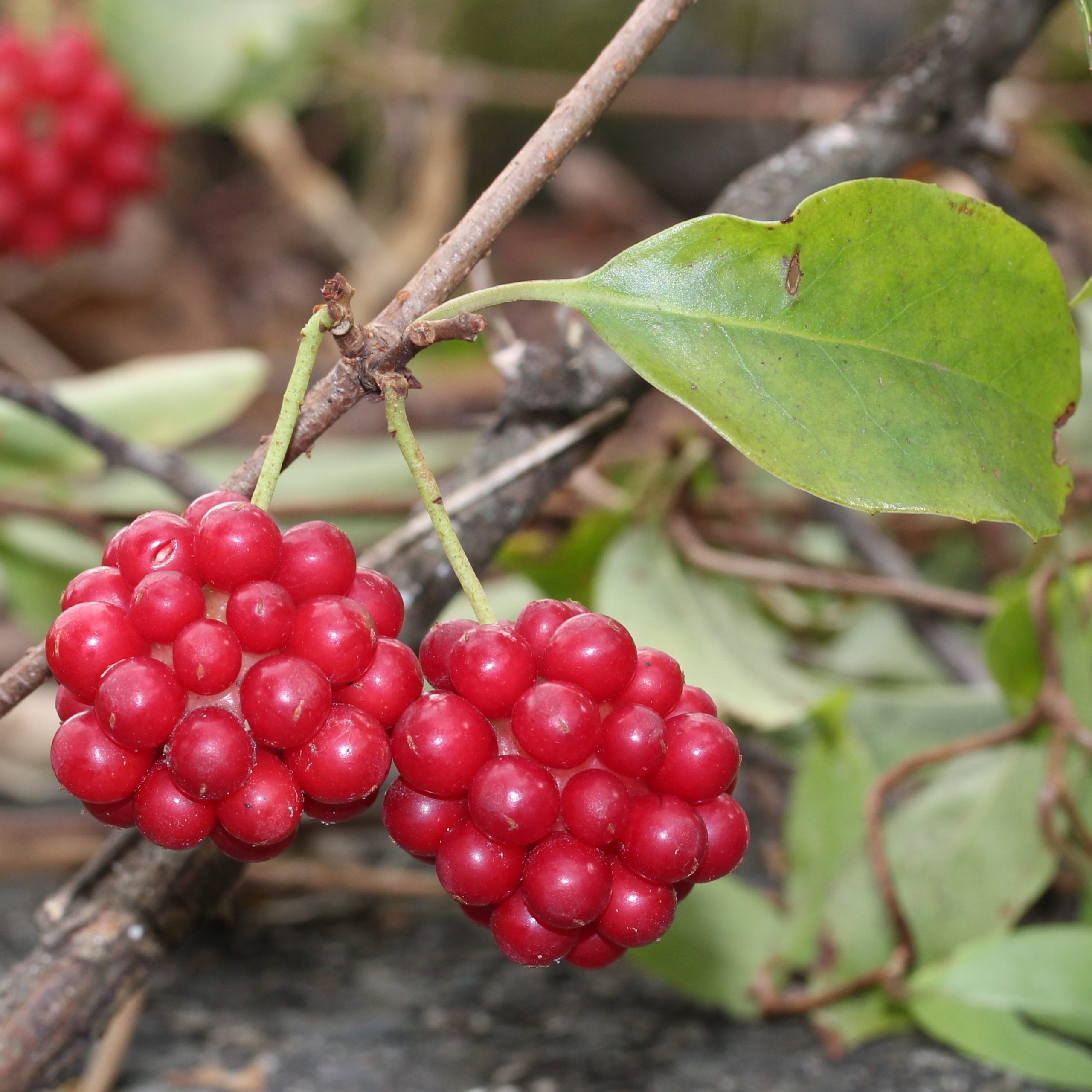

Disorders of melanin metabolism frequently lead to pigmentation diseases, creating a significant demand for effective whitening agents. While chemical agents like hydroquinone and kojic acid exist, they are often limited by toxicity risks, poor stability, or skin irritation. Consequently, natural polyphenols and flavonoids have become a research hotspot due to their perceived safety and multi-functional benefits. KCL (Kadsura coccinea leaf extract) was considered a potential solution because of its extensive history in traditional Chinese medicine for treating skin inflammations and improving pigmentation-related conditions. Although the fruit of this plant was known for its whitening potential, the leaf remains an underexploited and easily accessible resource, prompting this systematic investigation into its underlying molecular mechanisms.
Methods
The researchers utilized LC-MS/MS for chemical profiling and network pharmacology combined with molecular docking to predict potential biological targets. Anti-melanogenic effects were validated in α-MSH-induced B16F10 murine melanoma cells, while antioxidant capacity was assessed via DPPH/ABTS assays and H2O2-induced HepG2 cells. Finally, in vivo efficacy and safety were evaluated using a zebrafish embryo model.
Key Findings
• Chemical Composition: LC-MS/MS identified 40 major compounds, primarily consisting of flavonoids (e.g., rutin, quercetin, luteolin) and phenolic acids (e.g., shikimic acid).
• Pathway Activation: Network pharmacology and Western blot analysis confirmed that KCL exerts its effects by activating the PI3K/Akt/GSK3β signaling pathway.
• Molecular Downregulation: The extract significantly downregulated the expression of microphthalmia-associated transcription factor (MITF) and tyrosinase (TYR), which are critical for melanin synthesis.
• Potent Antioxidant Activity: KCL demonstrated strong free radical scavenging abilities and protected HepG2 cells from oxidative damage induced by hydrogen peroxide.
• In Vivo Success: In zebrafish embryos, KCL significantly reduced melanin deposition without exhibiting observable toxicity, proving more advantageous than single-mechanism agents.
This research represents the first systematic elucidation of the whitening mechanism of KCL, successfully bridging the gap between traditional folk use and modern scientific validation. The study’s novelty lies in its integrated strategy of component analysis and network prediction to identify a specific dual-action pathway for both antioxidant and anti-melanogenic effects. Looking forward, KCL has broad future implications as a safe, natural, and multi-functional ingredient for the industrialization of skin-lightening cosmetics.
Link to the study: https://papers.ssrn.com/sol3/papers.cfm?abstract_id=6110389