Category Scientific Updates

Formulation of Sunscreen from Calendula arvensis Capitula Extracts: Antioxidant, Anti-Aging, Surface Tension, and UVB Protection Properties Assessed 

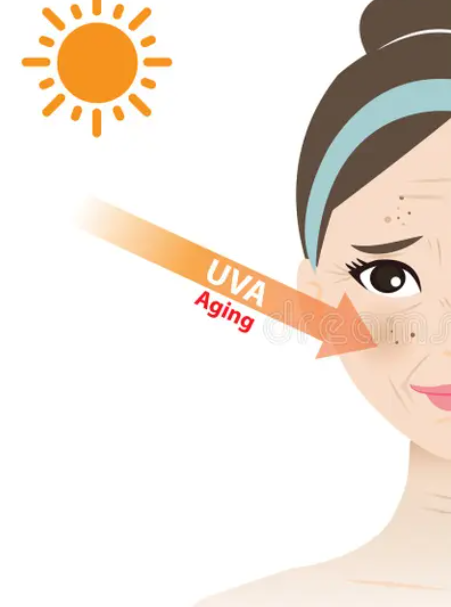
Skin damage from ultraviolet (UV) radiation is a significant concern, leading to photoaging, sunburn, and wrinkles. Conventional sunscreens often contain synthetic compounds, prompting a search for alternatives. Calendula arvensis (field marigold) has shown promising antioxidant, antibacterial, and enzyme-inhibiting properties, making it…

Read MoreFormulation of Sunscreen from Calendula arvensis Capitula Extracts: Antioxidant, Anti-Aging, Surface Tension, and UVB Protection Properties Assessed 

Impact of Topical Products on Skin Microbiome Composition: A Four-Week Study on Dexpanthenol-Containing Products 

The skin microbiome, a diverse and dynamic ecosystem of microorganisms, plays a vital role in maintaining skin health and homeostasis. As both intrinsic factors like age, sex, and body site, and extrinsic influences such as pollution and topical products, affect…

Read MoreImpact of Topical Products on Skin Microbiome Composition: A Four-Week Study on Dexpanthenol-Containing Products 

Optimizing Antioxidant and Anti-Hyaluronidase Activities of Mixed Coffea arabica, Centella asiatica, and Curcuma longa Extracts for Cosmetic Application 

This study explores the potential of Coffea arabica, Centella asiatica, and Curcuma longa extracts for developing a combination with antioxidant and anti-hyaluronidase properties for use in skincare formulations. Researchers aimed to optimize the ratios of these extracts and evaluate their…

Read MoreOptimizing Antioxidant and Anti-Hyaluronidase Activities of Mixed Coffea arabica, Centella asiatica, and Curcuma longa Extracts for Cosmetic Application 

A Mixture of Water-Soluble Polysaccharides Reduces Caspase-1 and IL-1β Inflammatory Responses by Cutibacterium acnes in vitro in Reconstructed Human Epidermis (RHE) 

Acne is a prevalent skin condition that affects individuals across all age groups, often causing physical discomfort and distress. The primary pathogenic organism associated with acne is Cutibacterium acnes (C. acnes), a commensal bacterium found in abundance within inflammatory acne…

Read MoreA Mixture of Water-Soluble Polysaccharides Reduces Caspase-1 and IL-1β Inflammatory Responses by Cutibacterium acnes in vitro in Reconstructed Human Epidermis (RHE)