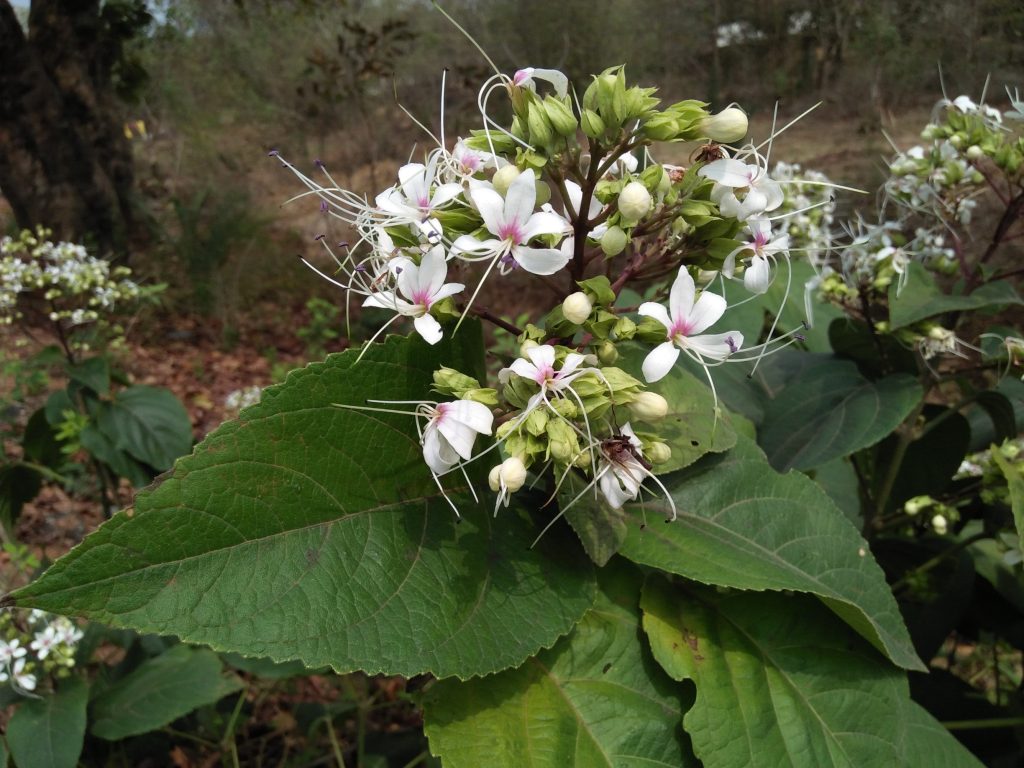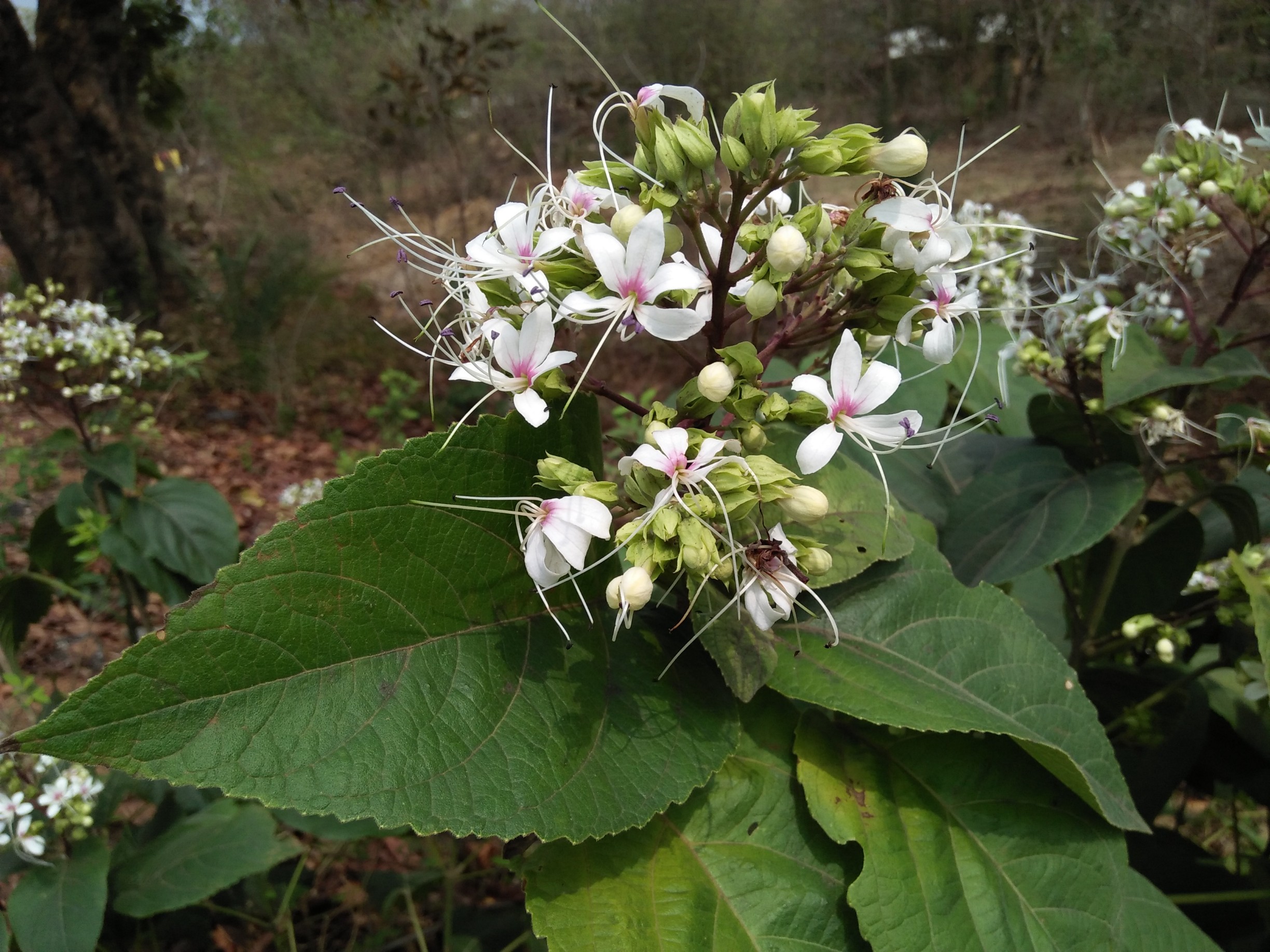

Skin aging is an irreversible natural phenomenon characterized by wrinkles, sagging, and loss of elasticity, driven by both intrinsic genetic factors and extrinsic environmental stressors like UV radiation and pollutants. These factors lead to the generation of reactive oxygen species (ROS) and the overactivation of enzymes such as collagenase and elastase, which degrade the skin’s structural proteins, collagen and elastin. As consumers increasingly seek safer and more sustainable alternatives to synthetic ingredients, natural products have become a focal point of skincare research. Clerodendrum infortunatum was selected as a potential solution due to its traditional medicinal use and its rich profile of bioactive secondary metabolites—including flavonoids and polyphenols—which possess documented antioxidant and anti-inflammatory properties.
Methods
The researchers extracted the aerial parts of C. infortunatum and partitioned them into four fractions (hexane, dichloromethane, ethyl acetate, and n-butanol). These fractions underwent metabolite profiling using LC-QTOF-MS/MS and were evaluated for anti-aging potential through in vitro collagenase and elastase inhibition assays. Partial least squares (PLS) chemometrics were employed to correlate specific metabolites with biological activity, and molecular docking was performed to confirm the binding affinities of the most active compounds against target enzymes.
Key Findings
- Comprehensive Metabolite Profiling: A total of 67 metabolites were tentatively identified, including phenolic acids, flavonoids, phenylpropanoids, and jasmonate-type oxylipins.
- Superior Potency of the Ethyl Acetate (EA) Fraction: The EA fraction exhibited the strongest inhibitory activity, with IC50 values of 12.2 µg/mL for collagenase and 25.0 µg/mL for elastase, significantly outperforming standard reference drugs like piroxicam and daidzein.
- Identification of Key Bioactive Compounds: Chemometric analysis identified 11 metabolites, such as gallic acid, caffeic acid, and apigenin, as being strongly correlated with anti-aging effects.
- High Binding Affinity via Molecular Docking: Three specific metabolites—6′-caffeoyl-12-glucosyloxy-jasmonic acid, salsaside A, and jionoside C—showed the highest binding affinities for both enzymes, even exceeding co-crystallized inhibitors in some cases.
- Discovery of a Common Pharmacophore: The research highlighted that the most effective compounds share a caffeoyl glucoside moiety, which likely serves as a critical structural component for inhibiting enzymatic skin degradation.
The novelty of this research lies in it being the first study to establish a direct correlation between the secondary metabolites of C. infortunatum and its newly discovered anti-aging properties. Furthermore, it provides the first molecular docking analysis for compounds like salsaside A and jionoside C against skin-degrading enzymes. These findings have significant future implications, as they position C. infortunatum as a viable natural source for the development of novel anti-aging lead compounds in pharmaceutical and cosmetic formulations. Future clinical studies are recommended to validate these in vitro results and confirm the safety and efficacy of these extracts in human skincare applications.
Link to the study: https://www.nature.com/articles/s41598-026-47614-3