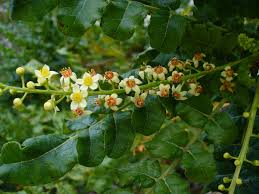
Boswellia sacra (frankincense) oil has been utilized traditionally to treat various conditions, including cancer, skin infections, and inflammation. However, its application in modern medicine is limited by its low water solubility and poor bioavailability, coupled with a lack of robust scientific evidence supporting its topical efficacy. To overcome these physicochemical hurdles, researchers turned to nanotechnology, specifically self-nanoemulsifying drug delivery systems (SNEDDS), as a solution to enhance the oil’s solubility and pharmacokinetic profile. By transforming these nanoemulsions into a nanoemulgel, the study aimed to improve skin adherence, spreadability, and controlled release, providing a superior alternative to crude oil or traditional oral medications that often cause systemic side effects.
Methods
B. sacra oil was extracted using steam distillation and formulated into a nanoemulsion via a self-nanoemulsifying technique employing Tween 80 and Span 80. The optimized nanoemulsion was then incorporated into a Carbopol 940 hydrogel matrix to produce a topical nanoemulgel. The formulations were characterized for droplet size, PDI, zeta potential, and rheological behavior. Finally, the therapeutic efficacy was evaluated through antibacterial, antifungal, and anticancer assays, alongside cyclooxygenase (COX) inhibition tests.
Key Findings
- Optimal Formulation: The most effective nanoemulsion achieved a droplet size of 120.03 nm and a PDI below 0.3, ensuring high stability and a large surface area for biological interaction.
- Physical Stability: The nanoemulgel exhibited a stable zeta potential of approximately −35 mV and demonstrated pseudoplastic rheological behavior, which facilitates better skin penetration and ease of application.
- Enhanced Antimicrobial Activity: The nanoemulgel showed significantly higher zones of inhibition against MRSA, S. aureus, and E. coli compared to pure oil; notably, its antifungal effect against C. albicans (29 mm) far outperformed the standard drug fluconazole (12 mm).
- Potent Anticancer Effects: The nanoemulgel was consistently more effective than pure oil across five cancer cell lines (Hep-G2, MCF-7, 3T3, LX2, and HeLa), with Hep-G2 cells showing the highest sensitivity.
- Targeted Anti-Inflammatory Action: While pure oil was more selective for COX-1, the nanoemulgel formulation improved overall potency and shifted selectivity toward COX-2, suggesting a reduction in the gastric side effects typical of traditional NSAIDs.
The novelty of this research lies in it being the first scientific validation in Palestine of the traditional use of frankincense for skin conditions, proving that a logically designed nano-delivery system is essential for maximizing the oil’s biological performance. This study represents a promising step toward using accessible nanotechnology to create high-performance pharmaceutical dosage forms. Future research should prioritize safety testing on healthy human cell lines to confirm the selectivity index and ensure long-term biocompatibility for clinical use.
Link to the study: https://pmc.ncbi.nlm.nih.gov/articles/PMC13108431/