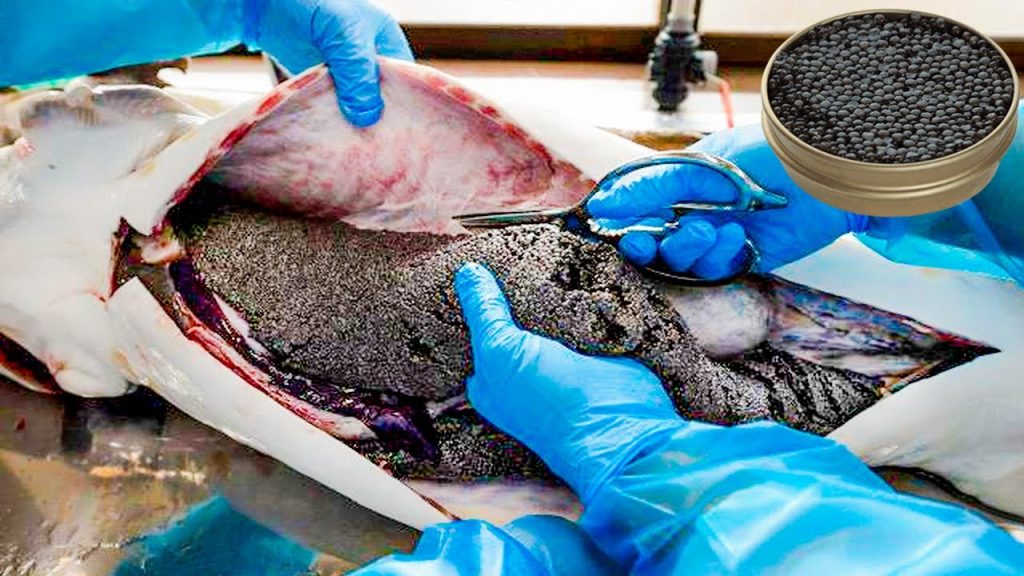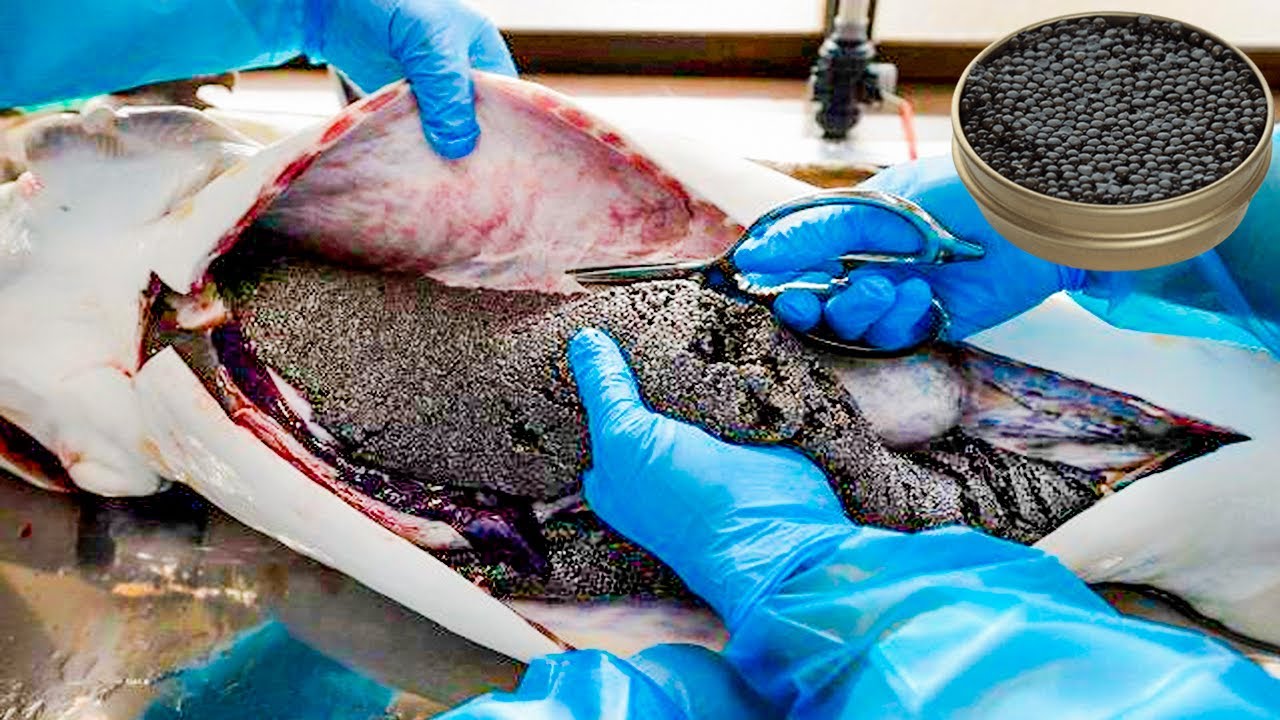

The cosmetic and nutraceutical industries have long utilized “caviar extract” under the assumption that it is a biologically homogeneous ingredient derived exclusively from sturgeon eggs. However, current regulatory definitions, such as those in the INCI database, lack a detailed scientific framework for its biochemical composition. The primary issue is that ovarian fluid—a complex mixture of immune regulators, enzymes, and coagulation factors—adheres strongly to the surface of the eggs and is consistently co-extracted during standard harvesting. This unintended inclusion of bioactive proteins like immunoglobulins and proteases raises significant concerns regarding product standardization, safety assessment, and regulatory compliance. To address these discrepancies, researchers explored cell-based production systems derived from larval stem cells as a potential solution to provide a defined, contaminant-free, and sustainable source of caviar proteins.
Methods
Researchers conducted independent proteomic analyses in two laboratories on fourteen commercial caviar samples from diverse sturgeon species and geographic origins using data-dependent (DDA) and data-independent acquisition (DIA) mass spectrometry. In parallel, seven independent larval cell lines were isolated and established from Acipenser baerii yolk sac-stage larvae, which were then maintained for over nine months to evaluate their long-term stability, gene expression, and potential for lineage commitment.
Key Findings
- Systematic Co-extraction: Proteomic profiling identified up to 1,437 protein groups in one cohort and 6,244 in another, with consistent overlaps (14–20%) of proteins uniquely associated with ovarian fluid across all tested samples.
- Identified Contaminants: Key ovarian fluid markers found in commercial extracts include zona pellucida glycoproteins, fibrinogen gamma chain, haptoglobin, and various immunoglobulins, many of which can modulate skin biology or trigger immune responses.
- Species-Specific Heterogeneity: High-resolution clustering revealed that proteomic signatures are strongly species-specific, challenging the industry’s notion of a “standardized” caviar ingredient across different sturgeon lineages.
- Functional Complexity: The presence of antioxidant enzymes (catalase, superoxide dismutase) suggests that the reported bioactivity of caviar extracts may partially originate from ovarian fluid constituents rather than yolk-derived nutrients alone.
- Viable Biotechnological Alternative: The established larval cell lines maintained high viability (>90%) and stable growth up to passage 30, expressing markers for pluripotency (nanog, pou5f1) and ovarian differentiation (foxl2).
The novelty of this research lies in providing the first detailed molecular map of commercial caviar extracts, revealing a complex mixed proteome that contradicts existing regulatory definitions. By proving that ovarian fluid contamination is an intrinsic rather than incidental feature of traditional harvesting, the study underscores the urgent need for molecular-based ingredient standards. The establishment of a larval stem cell platform offers a future implication of “clean” biotechnological production, potentially enabling the cosmetic industry to move toward standardized, sustainable, and customizable protein profiles that avoid the safety and ethical concerns of wild-harvested or traditionally farmed caviar.
Link to the study: https://www.mdpi.com/2079-9284/13/3/105