Acne vulgaris is a highly prevalent dermatological condition characterized by comedones, papulopustular lesions, and nodulocysts, often driven by genetic factors and hormonal changes that stimulate excessive sebum production. Historically, the role of diet was debated, but modern research identifies high-glycemic-index (GI) foods, dairy, and saturated fats as significant triggers that exacerbate inflammation and stimulate insulin-like growth factor-1 (IGF-1). A potential solution was considered in the form of an anti-inflammatory diet, which utilizes nutrient-dense foods like vegetables, fruits, and omega-3 fatty acids to lower serum inflammatory markers and counteract the metabolic pathways that promote skin lesions.
Methods
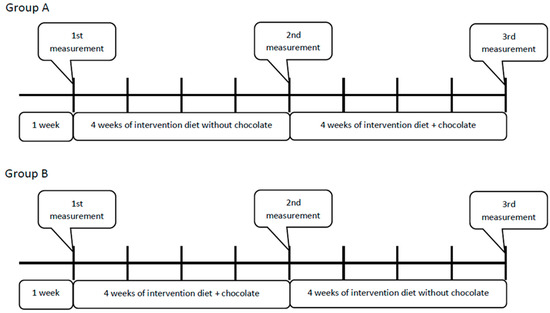
This crossover study involved 92 participants who followed individualized, 10-day anti-inflammatory dietary plans repeated over a four-week intervention period. Acne severity was measured at baseline and at the four-week mark using the Investigator’s Static Global Assessment scale, while secondary endpoints included body composition monitoring via bioelectrical impedance analysis. Statistical significance was verified using the Wilcoxon signed-rank test for paired measurements.
Key Findings
- 73.91% of participants (68 out of 92) demonstrated a measurable reduction in the severity of their acne lesions.
- The mean acne severity score dropped significantly from 3.3 ± 0.6 to 2.4 ± 0.7 points.
- Dietary changes led to statistically significant reductions in body mass, BMI, and fat mass, despite the intent to maintain stable weight.
- There was a notable decrease in metabolic age and a significant increase in total body water among participants.
- 100% of participants reported a subjective improvement in their overall skin appearance by the end of the study.
The novelty of this research lies in its focus on the synergistic effect of a complete dietary pattern rather than single nutrients, and it represents the first interventional dietary study of its kind conducted in Poland. These findings have significant future implications for the clinical management of acne, suggesting that dietary intervention can serve as an effective, non-pharmacological adjunct therapy that may also improve the mental health and quality of life of patients. While the results are promising, the authors emphasize the need for further research in larger, more diverse populations to confirm these benefits.
Link to the study: https://www.mdpi.com/2079-9284/13/3/115