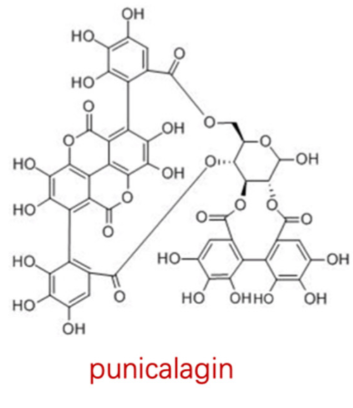
Pomegranate peel, a significant agro-industrial by-product, is rich in bioactive polyphenols like punicalagin, which offers potent antioxidant and photoprotective benefits. However, the dermal delivery of these compounds is hindered by their high molecular weight, hydrophilic nature, and susceptibility to degradation, resulting in poor skin penetration through the stratum corneum. To address these challenges, microemulsions (MEs) were selected as a potential solution due to their ability to solubilize both hydrophilic and lipophilic compounds within thermodynamically stable nanometer-scale domains. Furthermore, MEs can enhance drug thermodynamic activity and temporarily modify skin lipid organization to facilitate better permeation while remaining relatively simple and cost-effective to prepare.
Methods
Three biocompatible microemulsions (ME-A, ME-P, and ME-E) were developed using different surfactant-cosurfactant systems to incorporate 1% (w/w) pomegranate peel extract. The formulations were evaluated through in vitro release studies using dialysis membranes and ex vivo skin penetration/permeation tests on full-thickness porcine ear skin. Additionally, their antioxidant capacity was assessed via the DPPH assay, and their photoprotective potential was determined using in vitro spectrophotometric Sun Protection Factor (SPF) measurements.
Key Findings
- Sustained Release: All microemulsions provided a controlled release of punicalagin, with approximately 10–17% of the applied dose released over an 8-hour period.
- Superior Performance of ME-A: The formulation based on the biosurfactant alkyl polyglucoside (ME-A) exhibited a significantly higher cumulative release (60.4 µg/cm²) compared to the ethoxylated surfactant systems.
- Effective Dermal Delivery: While statistical differences were narrow, ME-A showed the highest numerical total delivery into and across the skin (≈ 48.2 µg/cm² after 24 hours).
- Enhanced Antioxidant Capacity: The MEs demonstrated robust radical-scavenging activity (up to 47.68%), significantly outperforming a conventional ethanolic extract solution.
- Measurable Photoprotection: The formulations achieved SPF values ranging from 11 to 14, placing them in the category of “low protection” against UV radiation.
The novelty of this research lies in the successful integration of bioactive polyphenols recovered from agro-industrial waste with eco-friendly, naturally derived surfactant systems, such as alkyl polyglucosides. This synergy not only stabilizes sensitive plant-derived actives but also effectively modulates their delivery into targeted skin layers. Future implications of this work include the advancement of multifunctional, sustainable skincare products that valorize industrial by-products for anti-aging and photoprotection, offering localized therapeutic activity with minimal risk of systemic exposure.
Link to the study: https://www.mdpi.com/2079-9284/13/3/140