The global cosmetics industry is a large and expanding sector characterized by significant innovation. Traditional cosmetic formulations often face challenges related to preserving active ingredients, managing odours, and ensuring effective delivery into or through the skin, as well as achieving optimal bioavailability and biocompatibility of components. Concerns regarding the safety and potential toxicity of ingredients applied to the human body are also paramount. In this context, nanotechnology has emerged as a potent tool in various fields, including pharmaceutical sciences and cosmetics. Nanomaterials, specifically those incorporating nanoparticles ranging from 1 to 100 nanometres, offer a potential solution by allowing for the manipulation of materials at a fundamentally small scale. The tiny size of nanoparticles can significantly modify their physicochemical characteristics, potentially enhancing their interaction with biological tissues and improving absorption. This capacity allows them to shield active components, facilitate controlled release, improve stability, and potentially offer new benefits like increased moisturization or UV blocking, making them a promising avenue for advancing cosmetic product performance and addressing some of the limitations of traditional formulations.
Methods
The assessment of safety and toxicity for nanomaterials in cosmetics involves evaluating several key parameters, including sensitization and irritation to the eyes and skin, permeability, genotoxicity, and carcinogenicity. Various testing methods are employed, such as in vivo tests like the local lymph node test for sensitivity or in vitro techniques utilizing diffusion cells for assessing skin absorption. Genotoxicity is evaluated through in vitro tests like the Ames and micronucleus tests. Additionally, phototoxicity is assessed using specific cell lines. Safety evaluation also necessitates a detailed assessment of the nanomaterials’ specific characteristics, including their physicochemical properties, aggregation state, size distribution, solubility, and stability.
Key Findings
• Nanomaterials offer various functional benefits in cosmetics by preserving active ingredients, reducing odours, promoting penetration, and enhancing bioavailability and biocompatibility.
• Specific nanoparticle approaches like nano liposomes can protect active ingredients and convey aroma, but face challenges with stability and drug loading.
• Solid Lipid Nanoparticles (SLNs) and Nanostructured Lipid Carriers (NLCs) act as effective carriers, improving skin moisturization and penetration, and are used in products like sunscreens and moisturising creams.
• Nano emulsions provide clear, stable dispersions that enhance ingredient delivery and can improve moisturising ability and penetration of nonpolar components.
• Nano-gold and silver possess antibacterial/antifungal properties and are used in deodorants and anti-aging creams, though concerns exist regarding their skin penetration and the European SCCS has not fully assessed their risk.
• Nano-capsules are used to protect unstable or volatile chemicals, regulate release, and improve stability and bioavailability.
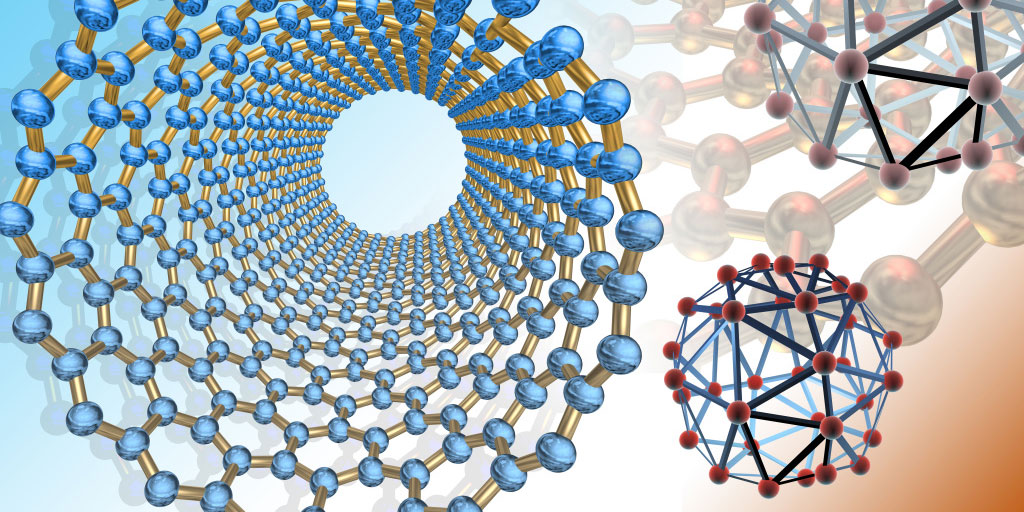
• Fullerenes, particularly C60, have been marketed in cosmetics for anti-aging and skin repair due to their antioxidant, antibacterial, UV protection, and moisturizing properties.
• Dendrimers are stable polymers that facilitate delivery through skin layers and can enhance the loading and penetration of active substances like resveratrol.
• Routes of exposure to nanomaterials in cosmetics include ingestion (e.g., from lipsticks, nail polish), dermal absorption (especially on damaged skin), ocular exposure (though less reported), and respiratory inhalation (for aerosols or powders).
• The small size of nanomaterials facilitates their absorption into biological systems, allowing accumulation in organs, crossing biological barriers, and interference with cellular functions, contributing to toxicity.
• Certain nanomaterials used in cosmetics have potential toxicities: Nano-Titanium dioxide can cause cellular dysfunction and DNA damage. Nano-Gold nanoparticles (1.4 nm) can trigger oxidative stress, necrosis, and mitochondrial damage. Nano-Zirconium oxide, particularly zirconium oxychloride, is mutagenic and clastogenic, and its aerosol form can cross biological barriers. Nano-Silica can harm DNA via ROS production and cause membrane disruption and cell cycle arrest. Nano-Aluminium oxide appears to exhibit minimal cytotoxicity in tested cell lines.
• Regulatory bodies play a crucial role in ensuring safety, although national regulatory frameworks differ significantly, creating challenges for product uniformity, international trade, and market development. The US regulations (FD&C Act, FPLA) and Canadian regulations have remained largely unchanged for decades, while the EU has a unified legal framework (EC) No. 1223/2009.
This review highlights the growing application of nanotechnology in cosmetics, driven by the potential to enhance product performance through improved delivery, stability, and novel functional properties. A central finding underscored by the research is that the size of nanoparticles is a critical factor determining their systemic entry and potential for accumulation and toxicity within the body, emphasizing the necessity for formulators to carefully control particle size to manage penetration and minimize risks. The article provides a comprehensive overview of the applications and potential toxicities associated with specific nanomaterials like nano-titanium dioxide, gold, zirconium oxide, silica, and aluminium, drawing attention to the distinct hazards linked to their unique characteristics. The review also details the current methods for safety assessment, covering irritation, permeability, genotoxicity, and carcinogenicity testing. The novelty of this research lies in its consolidated overview of the diverse applications, routes of exposure, potential toxicities, and the complex regulatory landscape surrounding nanomaterials in cosmetics, drawing from numerous studies and regulatory documents. The future implications of this field are significant. Continued research into the specific toxicological profiles of emerging nanomaterials is essential, particularly given the varied routes of exposure. Furthermore, the review implicitly points to the need for greater harmonization of international cosmetic regulations, which is crucial for ensuring global consumer safety, fostering innovation, and facilitating international trade in nano cosmetics. Regulatory efforts, like those in the EU, and recommendations, such as those from the FDA for safety evaluation factors, provide frameworks that will need ongoing development and convergence to keep pace with the rapid advancements in nanocosmetic technologies.
Link to the study: https://kronika.ac/wp-content/uploads/1-KKJ2432.pdf