Acne vulgaris is a chronic inflammatory skin disorder that significantly impacts the psychosocial well-being of adolescents and adults globally. While multifactorial, its development is driven by the hyperproliferation of bacteria, most notably Cutibacterium acnes, Staphylococcus aureus, and Staphylococcus epidermidis. However, the rising prevalence of antibiotic-resistant strains, particularly those resistant to clindamycin, has severely limited the effectiveness of conventional therapies. Furthermore, long-term use of synthetic treatments often leads to adverse effects like skin irritation and disruption of the cutaneous microbiota. To address these challenges, researchers are turning to natural plant-derived compounds like those found in the Piper genus, which offer broad-spectrum antibacterial activity with lower toxicity and a reduced likelihood of inducing resistance.
Methods
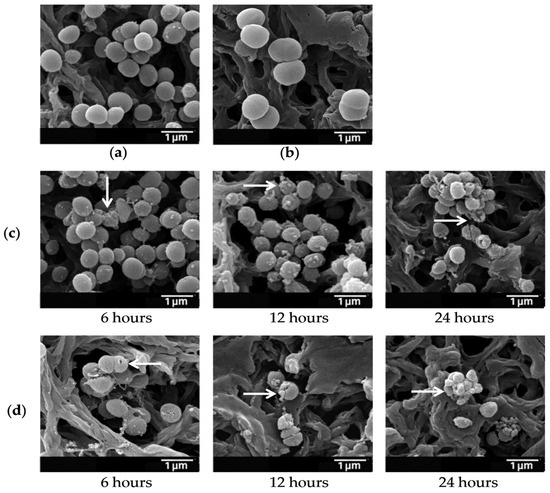
Researchers screened 27 Piper species from Thailand using sequential solvent extraction to evaluate their antibacterial efficacy against clindamycin-resistant acne bacteria. The most active compound, zeylenone, was isolated from the ethyl acetate leaf extract of Piper griffithii and characterized using NMR and mass spectrometry. Its mechanism of action was investigated through cytoplasmic leakage studies and scanning electron microscopy (SEM) to observe ultrastructural changes. Finally, the safety of zeylenone was assessed via cytotoxicity assays on human keratinocytes (HaCaT) and its stability was tested in a prototype anti-acne gel formulation.
Key Findings
- Superior Extract Activity: The ethyl acetate leaf extract of P. griffithii demonstrated the most potent inhibitory effect against all tested bacteria, surpassing the effectiveness of tetracycline and clindamycin against C. acnes.
- Identification of Zeylenone: Zeylenone was identified as the primary bioactive constituent responsible for the plant’s antibacterial properties.
- Bactericidal Efficacy: Zeylenone exhibited strong bactericidal effects, with C. acnes being the most sensitive (MIC of 0.63 mg/mL), followed by S. aureus and S. epidermidis.
- Membrane Disruption Mechanism: The compound works by disrupting bacterial cell walls and membranes, which induces rapid cytoplasmic leakage and irreversible structural damage.
- High Safety Profile: Zeylenone proved non-toxic to human skin keratinocytes at concentrations up to 20 mg/mL, maintaining over 80% cell viability.
- Successful Formulation: A formulated 1% zeylenone gel retained its full antibacterial activity, demonstrating its potential for use in the cosmetic industry.
This research provides the first report of zeylenone being isolated from Piper griffithii and establishes its novel application as a potent agent against acne-causing bacteria. The study’s novelty lies in elucidating a specific cell-wall-disruptive mechanism that effectively targets antibiotic-resistant strains while remaining safe for human tissue. These findings suggest that zeylenone is a highly promising natural alternative for future anti-acne therapeutics. Future implications include the potential for clinical validation and in vivo studies to confirm its long-term stability and efficacy in human dermatological applications.
Link to the study: https://www.mdpi.com/2079-9284/13/2/87