
You hear it before you feel it.
A mosquito circles your ear. Minutes later, a tiny bump appears. Then comes the urge that seems impossible to ignore:
itch.
Not pain. Not pressure. Not temperature.
An entirely different sensation with its own dedicated biological circuitry.
For something so common, itch remains one of the most fascinating sensory experiences in human physiology. What feels like a simple annoyance is actually the result of complex communication between sensory neurons, immune cells, skin barrier structures, and molecular signaling pathways.
The sensation of itch evolved as a protective mechanism. It alerts the body to insects, parasites, irritants, and environmental threats that may require attention. Yet the same system that helps protect the body can become dysregulated, contributing to chronic itch conditions that persist long after the original trigger has disappeared.
Itch Is Not Just Mild Pain
For many years, scientists believed itch was simply a weaker version of pain. Research has since shown that this is not the case.
The skin contains specialized sensory nerve fibers known as pruriceptors, which are specifically designed to detect itch-inducing stimuli. These neurons respond to chemical signals called pruritogens and transmit information through dedicated neural pathways to the spinal cord and brain.
This explains why itch feels distinct from pain. Although the two sensations share some neural infrastructure, they are processed through different biological mechanisms.
Interestingly, scratching works because it temporarily activates pain-related pathways that can suppress itch signals. However, this relief is often short-lived, creating the familiar itch-scratch cycle.
The Skin and Nervous System Are Constantly Communicating
The skin is one of the body’s most densely innervated organs. Sensory nerve endings extend throughout the epidermis and dermis, continuously monitoring the environment.
These nerves detect changes in temperature, touch, pressure, and potentially harmful stimuli. When itch-inducing signals are detected, sensory neurons relay information to the central nervous system within milliseconds.
This close relationship between skin and nerves has led researchers to describe the skin as a neuroimmunological organ, where the nervous system and immune system work together to maintain tissue homeostasis.
The Neuroimmune Conversation Behind Itch
A mosquito bite provides a useful example of this interaction.
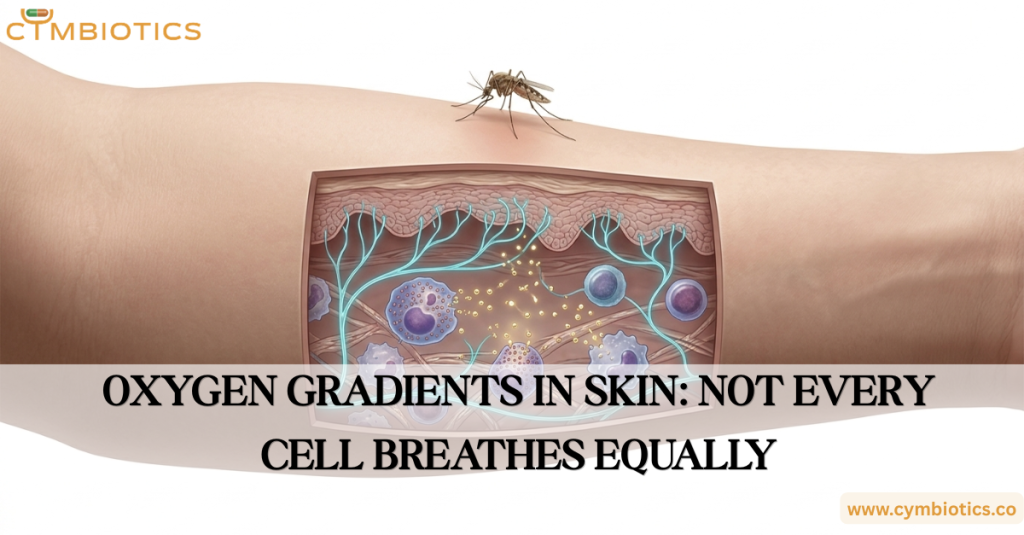
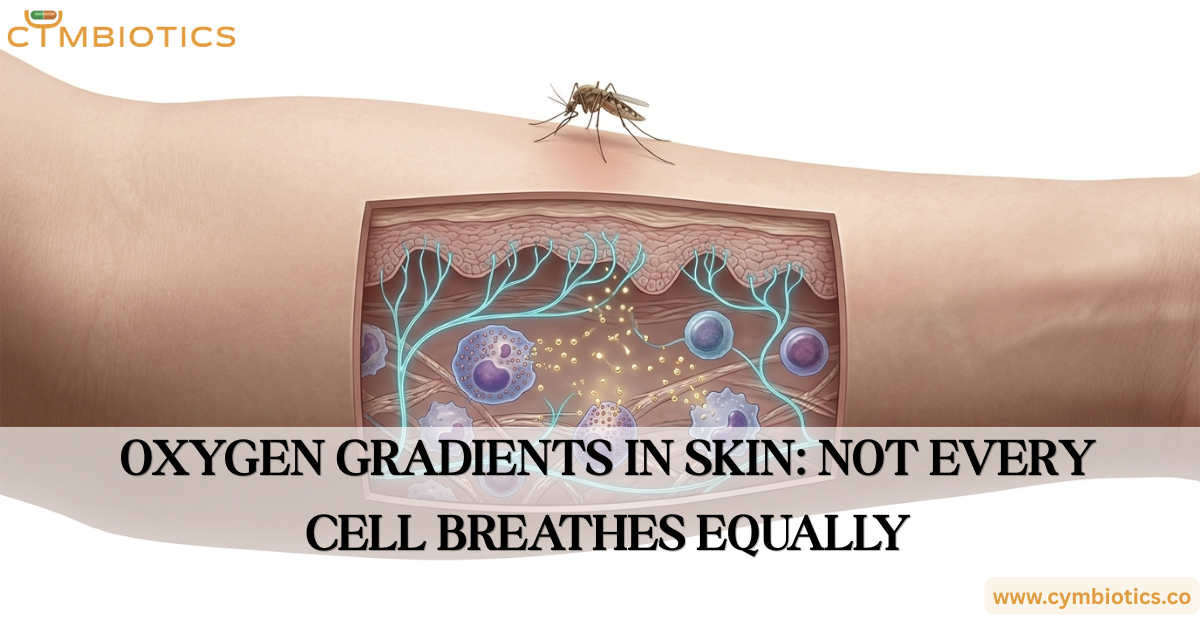
When the mosquito pierces the skin, immune cells recognize the injury and foreign proteins introduced through the insect’s saliva. Cells such as mast cells release signaling molecules, including histamine, which help initiate local immune responses.
Histamine then binds to receptors on itch-sensitive nerve fibers, triggering the sensation of itch.
However, histamine is only part of the story.
Modern itch research has revealed a complex network of immune mediators that communicate directly with sensory neurons. Cytokines such as interleukin-31 (IL-31), thymic stromal lymphopoietin (TSLP), and other inflammatory molecules can activate itch pathways independently of histamine.
This explains why some forms of itch do not respond well to traditional antihistamines.
When Itch Becomes Chronic
While occasional itch serves a protective purpose, chronic itch can become a significant physiological burden.
Conditions such as atopic dermatitis, chronic prurigo, psoriasis, and certain systemic diseases can create persistent itch signals that continue for months or even years.
In these situations, both the skin and nervous system may undergo changes.
Barrier dysfunction allows irritants and allergens to penetrate more easily, while repeated stimulation can increase the sensitivity of itch-related neurons. Over time, the nervous system may become hyper-responsive, amplifying itch perception even when external triggers are minimal.
This process, known as neural sensitization, is one reason chronic itch can be difficult to manage.
The Cymbiotics Perspective
At Cymbiotics, skin is viewed as more than a physical barrier. It is a dynamic biological interface where immune cells, structural components, and sensory neurons continuously exchange information.
The biology of itch highlights the complexity of this communication network. What begins as a signal from the skin quickly becomes a coordinated response involving the nervous system, immune system, and barrier environment.
Understanding these connections provides a deeper appreciation of skin physiology and reinforces an important principle: many skin sensations originate from sophisticated biological conversations occurring beneath the surface.
References
- “Physiology and Pathophysiology of Itch” – Mollanazar NK, Smith PK, Yosipovitch G. Physiological Reviews, 2016/2020 update.
- “Neuroimmune Interactions in Chronic Itch of Atopic Dermatitis” – Oetjen LK, Kim BS. Clinical Reviews in Allergy & Immunology, 2020.
- “Role of Interleukin-31 and Oncostatin M in Itch and Neuroimmune Communication” – Cevikbas F, et al. In Itch: Mechanisms and Treatment, CRC Press.
- “Critical Players and Therapeutic Targets in Chronic Itch” – Chen J, et al. International Journal of Molecular Sciences, 2022.
- “Involvement of Neuro-Immune Interactions in Pruritus With Special Focus on Receptor Expressions” – Misery L, et al. Frontiers in Medicine, 2021.
- “Emerging Role of Interleukin-31 and Interleukin-31 Receptor in Pruritus in Atopic Dermatitis” – Furue M, et al. Allergy, 2018.