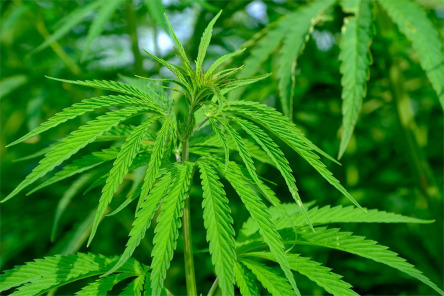
Historically, hemp leaves (Cannabis sativa L.) have been discarded as agricultural waste because they contain lower concentrations of cannabidiol (CBD) compared to the plant’s flowers. However, the substantial biomass produced per plant presents a cost-effective opportunity for the cosmetic industry if these leaves can be repurposed as active ingredients. This study explored the use of hemp leaf extracts as a potential solution for skincare, aiming to harness their antioxidant, anti-inflammatory, and astringent properties. By comparing ethanol and propylene glycol as extraction solvents, researchers sought to bridge the gap between high phytochemical yield and the practical requirements of cosmetic formulation stability and skin compatibility.
Methods
Researchers performed maceration on dried hemp leaves using 95% ethanol and propylene glycol at specific ratios to produce two distinct extracts (EH and PGH). The chemical profiles were quantified using liquid chromatography–triple quadrupole mass spectrometry (LC-QQQ), while biological efficacy was measured through flavonoid, tannin, antioxidant, and astringent assays. Finally, the extracts were integrated into a serum base and subjected to centrifugation and heating–cooling cycles to evaluate physical and chemical stability.
Key Findings
- Superior Extraction Efficiency of Ethanol: Ethanol was significantly more effective at recovering phytochemicals, yielding 224.90 µg/mL of CBD, whereas propylene glycol yielded only 0.83 µg/mL.
- Potent Antioxidant Activity: The ethanolic extract (EH) demonstrated robust antioxidant capacity in both DPPH and H2O2 scavenging assays, making it ideal for intensive anti-aging treatments.
- Gentle Astringency for Sensitive Skin: While PGH had lower potency, it exhibited mild astringent activity (7.11%), offering a gentle, non-irritating alternative for pore refinement in sensitive skin types.
- Formulation Compatibility: Propylene glycol extracts showed superior integration into water-based skincare systems, maintaining homogeneity and optimal pH, whereas EH proved difficult to dissolve and caused heterogeneous mixtures.
- Significant CBD Degradation: Stability testing revealed that CBD is highly thermolabile, with the formulations losing over 93% of their initial CBD content after thermal stress cycles.
The novelty of this research lies in its functional justification of propylene glycol as a solvent that prioritizes industrial viability and formulation readiness over raw potency, specifically identifying its mild astringent benefits for specialized skincare. While the study confirms that hemp leaves are a viable resource, the findings suggest a critical future implication: developers must implement protective strategies, such as encapsulation or the addition of antioxidant excipients like Vitamin E, to prevent the rapid degradation of cannabinoids and ensure product efficacy throughout its shelf life.
Link to the study: https://www.thieme-connect.com/products/ejournals/html/10.1055/a-2865-9947