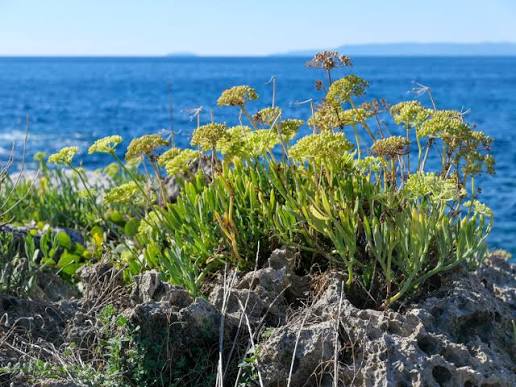
Skin aging is a multifactorial process driven by both intrinsic genetic factors and extrinsic environmental stressors, such as UV radiation and pollution, which together comprise the “exposome”. These stressors lead to oxidative stress, chronic low-grade inflammation known as “inflammaging,” and the enzymatic degradation of the skin matrix, resulting in visible wrinkles and loss of elasticity. Crithmum maritimum (rock samphire) was considered a potential solution because of its long-standing traditional use in medicine and its rich phytochemical profile, which includes phenolics, essential oils, and vitamin B9 known for skin regeneration. While its chemical composition was known, this research sought to provide sparse scientific data regarding its actual efficacy on living human skin cells.
Methods
The study utilized biochemical assays to determine the Total Antioxidant Capacity (TAC) and the inhibitory effects of the extract on isolated collagenase and elastase enzymes. Researchers cultured HaCaT human keratinocytes to perform cytotoxicity tests and quantify intracellular reactive oxygen species (ROS) using fluorescent probes. Furthermore, the anti-inflammatory potential was evaluated by measuring the secretion of six key cytokines and chemokines via ELISA following a pro-inflammatory stimulus.
Key Findings
- Superior Antioxidant Activity: The extract demonstrated a high antioxidant capacity (2250 µM TAC), significantly outperforming cosmetic reference standards like ascorbic acid and resveratrol.
- Cellular ROS Suppression: In living keratinocytes, the extract suppressed ROS production by approximately 90%, effectively mitigating oxidative stress.
- Anti-Inflammatory Efficacy: Treatment led to a significant decrease (20% to 75%) in pro-inflammatory mediators, including IL-6, IL-8, IL-18, CXCL9, CXCL10, and CCL5.
- Matrix Preservation: The extract showed a moderated inhibitory effect of about 20% on collagenase and elastase, the enzymes responsible for breaking down the skin’s structural integrity.
The novelty of this research lies in its comprehensive demonstration of the extract’s efficacy on living human keratinocytes, moving beyond simple molecular assays to prove biological activity in a cellular environment. These findings suggest significant future implications for the cosmetics industry, positioning C. maritimum as a potent, multi-functional natural ingredient for preventing premature aging. However, further studies involving reconstructed human skin models and clinical trials are necessary to confirm these anti-aging benefits in real-world applications.
Link to the study: https://www.mdpi.com/2079-9284/13/4/185