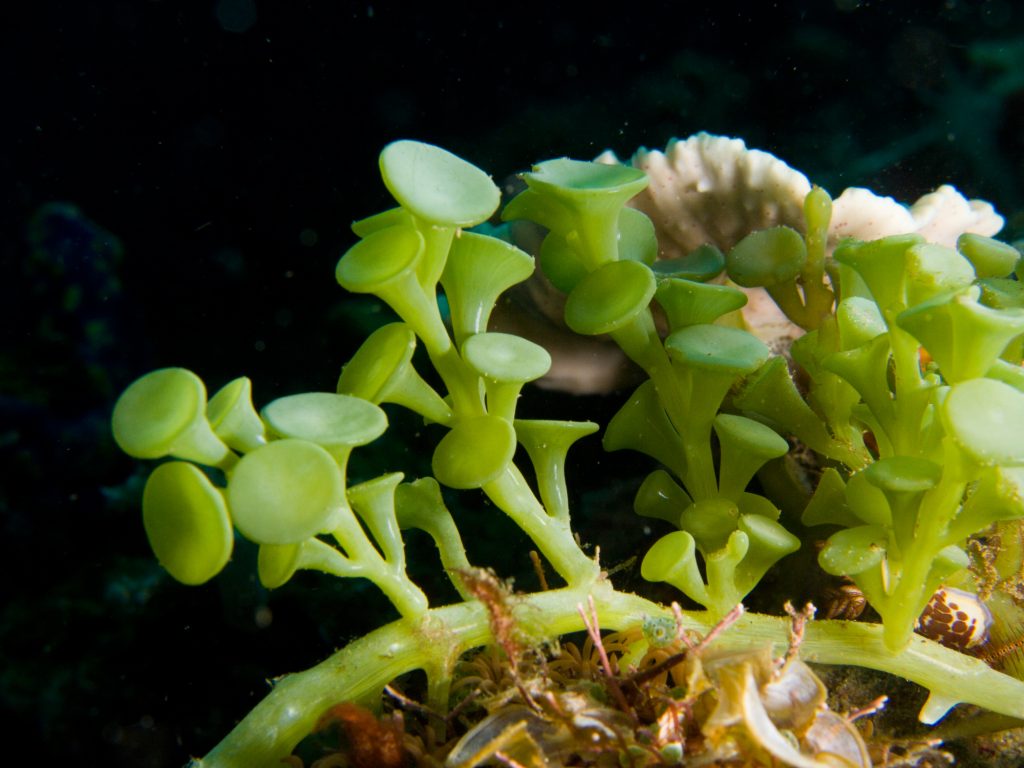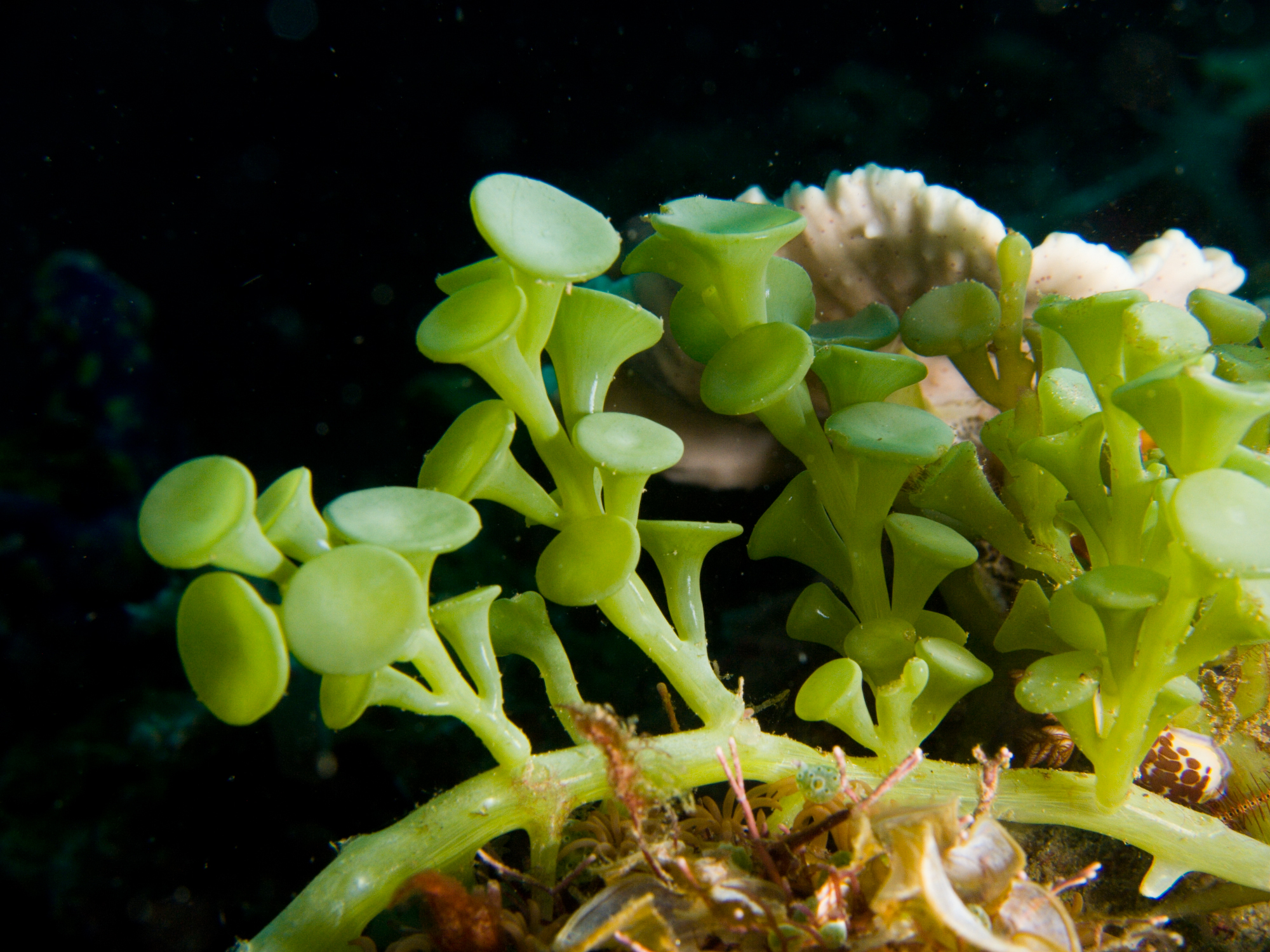

Melanin is essential for protecting the skin against ultraviolet radiation, but its excessive production and accumulation can lead to hyperpigmentation disorders. While synthetic whitening agents exist, there is a growing demand for natural bioactive compounds in the cosmeceutical industry due to their perceived safety and long-term viability. Seaweed extracts, specifically from the green alga Caulerpa racemosa, have emerged as a potential solution because they are rich in minerals, vitamins, and flavonoids that can modulate biological pathways involved in skin pigmentation.
Methods
Researchers prepared an ethanolic extract from Caulerpa racemosa and analyzed its flavonoid profile using High-Performance Liquid Chromatography (HPLC). SK-MEL-5 human melanoma-derived cells were treated with the extract to assess its impact on cell viability via MTT assays. Finally, the study employed Western blotting and qPCR to quantify the expression of key melanogenic proteins (such as MITF and ERK) and their associated genes.
Key Findings
- Bioactive Composition: HPLC analysis identified rutin as the primary flavonoid in the extract, followed by catechin and quercetin.
- MITF Suppression: The extract significantly decreased the protein expression of MITF, the master regulator of melanogenesis, in a dose-dependent manner.
- ERK Activation: The reduction in MITF was associated with the activation of ERK signaling, which leads to the phosphorylation and subsequent degradation of the MITF protein.
- Gene Downregulation: Treatment effectively reduced the mRNA levels of downstream melanogenic genes, including TYR, TYRP1, MC1R, and DCT.
- Safety Profile: At effective concentrations (50–100 µg/mL), the extract showed no significant cytotoxicity, suggesting it is safe for preliminary in vitro applications.
The novelty of this research lies in its specific focus on the molecular mechanism of the ERK/MC1R/MITF pathway within a human-derived cell model, providing more relevant data for human applications than previous studies using murine cells. These findings suggest that Caulerpa racemosa extract is a promising candidate for natural whitening ingredients in the cosmetic industry. However, future implications involve the need for further characterization of active components and validation of safety and efficacy using more complex, reconstructed human skin models.
Link to the study: https://www.mdpi.com/2079-9284/13/4/205