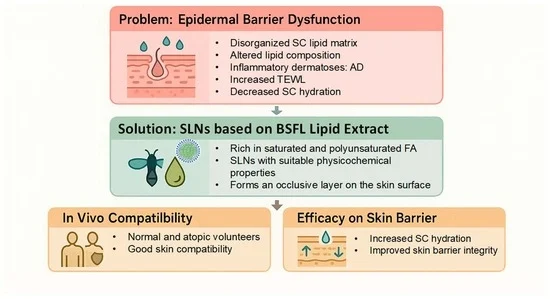
Epidermal barrier dysfunction is a primary factor in inflammatory dermatoses such as atopic dermatitis (AD), characterized by a disorganized lipid matrix in the stratum corneum (SC) and increased transepidermal water loss (TEWL). This impairment leads to chronic dryness, inflammation, and increased susceptibility to allergens. To address this, researchers investigated the lipid fraction of Black Soldier Fly larvae (BSFL), a sustainable biomaterial rich in fatty acids like lauric and oleic acids, which are known to support skin structure. By incorporating these physiological lipids into solid lipid nanoparticles (SLNs), the study aimed to create an advanced delivery system that forms an occlusive film to reinforce the skin’s natural defenses and restore lipid balance.
Methods
Solid lipid nanoparticles were produced by hot homogenization and ultrasonication using a 5% (w/v) BSFL lipid extract. The formulations were characterized for size and stability before undergoing in vitro occlusion tests using silicone membranes to measure water loss. In vivo safety and efficacy were then evaluated in healthy (n=16) and atopic (n=10) human volunteers through patch testing and repeated open applications. Finally, the plastic occlusion stress test (POST) was employed to assess water dynamics and retention capacity within the skin.
Key Findings
- Significant In Vitro Occlusion: The nanoformulations achieved a 39% reduction in water loss compared to the control, demonstrating their ability to form an effective protective lipid film.
- High Biocompatibility: Clinical patch tests showed no signs of irritation, redness, or discomfort in either healthy or atopic individuals, confirming the safety of insect-derived lipids for sensitive skin.
- Enhanced Skin Hydration: In vivo efficacy assays revealed a statistically significant improvement in SC hydration that was maintained throughout a seven-day application period.
- Water Dynamics Modulation: While TEWL changes were subtle in vivo, the POST results showed a trend toward a reduced evaporation half-life, suggesting the nanoparticles help the skin retain moisture more effectively.
- Sustainable Fatty Acid Profile: The success of the formulation is attributed to saturated and polyunsaturated fatty acids from the BSFL extract, which can integrate into the skin’s endogenous lipid matrix.
The novelty of this research lies in the valorization of insect biomass as a sustainable and functional source of bioactive lipids for advanced nanotechnology in dermatology. Unlike traditional emollients, these BSFL-based nanoparticles offer a dual benefit of mechanical occlusion and physiological reinforcement of the epidermal barrier. Future implications include the development of next-generation, eco-friendly pharmaceutical and cosmetic products specifically tailored for the daily management of atopic dermatitis and other barrier-compromised conditions.
Link to the study: https://www.mdpi.com/2079-9284/13/3/112