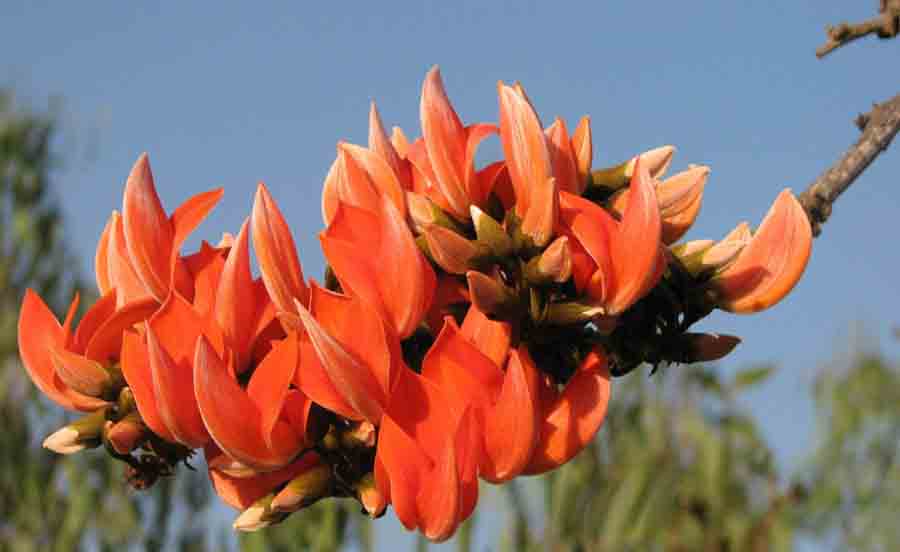
The search for natural bioactive components to treat human ailments is a continuous challenge in modern medicine and dermatology. While traditional knowledge has long recognized the therapeutic properties of plants, there is a significant need for scientific validation and detailed chemical profiling to effectively integrate these natural solutions into modern cosmeceutical and pharmaceutical products. Butea monosperma, popularly known as the “Flame of the Forest,” was identified as a potential solution due to its extensive documentation in ancient texts like the Ayurveda for treating skin diseases, burns, and inflammation. Its vibrant flowers are known to be rich in diverse phytochemicals, making them an ideal candidate for high-resolution analysis to uncover specific skin-health bioactives.
Methods
Researchers collected B. monosperma flowers from Mumbai, separating them into calyx, corolla, and whole flowers to prepare methanolic extracts after shade-drying. These extracts underwent High Resolution-Liquid Chromatography Mass Spectrometry (HR-LCMS) analysis in both ESI positive and negative modes to identify known and unknown phytoconstituents. The resulting spectral data were matched against a comprehensive database of over 62,000 patterns, with a strict focus on reliable matches having five or fewer hits. This advanced technique provided a detailed characterization of the chemical diversity present within each specific floral part.
Key Findings
- The study revealed a highly diverse metabolomic composition across different floral parts, with the corolla exhibiting the highest metabolic variety, including specialized metabolites like asiaticoside.
- Flavonoids emerged as the dominant class of compounds throughout all samples, featuring key bioactives such as apigetrin, naringin, and rutin, which offer antioxidant and anti-inflammatory protection.
- The calyx was characterized by a rich distribution of amino acids (e.g., leucine, L-Dopa) and triterpenoid saponins like soyasaponin I, which is noted for its anti-melanogenic effects.
- Specific compounds with direct dermatological benefits were identified, including kojic acid for skin-lightening, rutin for collagen production, and 4-hydroxybenzaldehyde for wound healing.
- The identification of indoles, terpenoids, and phenolic compounds across the floral tissues suggests multifunctional therapeutic potential beyond just skin care.
The novelty of this research lies in its status as one of the first comprehensive HR-LCMS investigations to specifically profile the individual parts of the Butea monosperma floral metabolome. By distinguishing the chemical profiles of the calyx and corolla, the study demonstrates that targeted utilization of specific plant parts can significantly enhance the efficacy of therapeutic formulations. The future implications of these findings are substantial, providing a scientific foundation for developing novel herbal formulations in the cosmeceutical industry and guiding future bioactivity-guided studies to isolate potent lead compounds for pharmaceutical use.