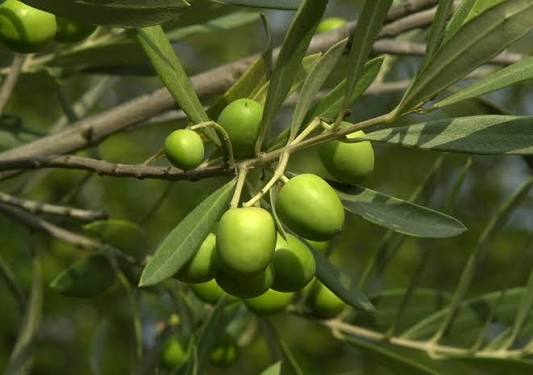
The cosmetic industry faces an increasing need for sustainable, locally produced ingredients capable of withstanding shifting environmental conditions caused by global warming. While the cultivated olive tree (Olea europaea var. europaea) is prized for its bioactive leaves rich in antioxidants and anti-inflammatory agents, it is traditionally optimized for Mediterranean climates. The wild Oleaster (Olea europaea var. sylvestris) was considered as a potential solution in the sources because it demonstrates higher resistance to biotic and abiotic stresses and is well-suited to the changing climates of regions like Centre-Val de Loire, France. This research evaluates whether wild Oleaster leaves can serve as a superior or equivalent alternative to cultivated varieties for high-value cosmetic applications.
Methods
Mature leaves from both varieties were harvested in France and processed via ultrasound-assisted extraction using aqueous and hydroalcoholic solvents. Phytochemical characterization involved TPC/TFC assays and UHPLC-HRMS/MS profiling to quantify markers like oleuropein and verbascoside. Antioxidant and anti-inflammatory potentials were measured through chemical and enzymatic assays, including DPPH, CUPRAC, SOD, and COX-2. Finally, the extracts were tested for cytotoxicity and cellular protection using H2O2-stressed human keratinocyte (HaCaT) cells and IL-8 secretion measurements.
Key Findings
- Higher Bioactive Content: Hydroalcoholic Oleaster extracts were richer in phenolic and flavonoid compounds than cultivated olive tree extracts, containing 58 mg/g of oleuropein and 3.2 mg/g of verbascoside.
- Molecular Similarity: UHPLC-HRMS/MS analysis annotated approximately twenty similar compounds in both varieties, including secoiridoids, flavonoids, and triterpenic acid derivatives.
- Potent Antioxidant Activity: Both varieties showed high inhibition (60–90%) across DPPH, CUPRAC, and enzymatic SOD assays, indicating strong free-radical scavenging capabilities.
- Anti-Inflammatory Efficacy: The extracts demonstrated a 70% inhibition of the COX-2 enzyme and significantly reduced pro-inflammatory IL-8 production in skin cells.
- Cellular Protection: At a concentration of 62.5 µg/mL, hydroalcoholic extracts provided 60–80% protection against reactive oxygen species (ROS) in stressed HaCaT cells with minimal cytotoxicity.
The novelty of this research lies in its comparative approach and its status as likely the first study to evaluate the antioxidant and anti-inflammatory effects of these specific varieties on the HaCaT cell line. The findings demonstrate that wild Oleaster is not only a more resilient and sustainable resource under modern climatic pressures but also offers bioactive potential that meets or exceeds that of the traditionally cultivated olive tree. Future implications suggest that Oleaster leaves can be successfully valorized as a sustainable, high-performance active ingredient for the global cosmetic market.
Link to the study: https://www.mdpi.com/2079-9284/13/3/154