Category Scientific Updates

Effects of jatrorrhizine isolated from Phellodendron amurense on collagen homeostasis in CCD-986sk human dermal fibroblast cells 

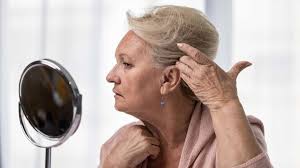
Skin aging is a complex biological process characterized by the breakdown of key structural components like collagen, elastin, and hyaluronic acid in the extracellular matrix (ECM). This degradation leads to a weakening of the skin structure, loss of elasticity, and…

Read MoreEffects of jatrorrhizine isolated from Phellodendron amurense on collagen homeostasis in CCD-986sk human dermal fibroblast cells 

The Anti-Acne and Reduction of Hyperpigmentation Effects of Products Containing Retinol, Niacinamide, Ceramides, and Dipotassium Glycyrrhizinate in Chinese Women 

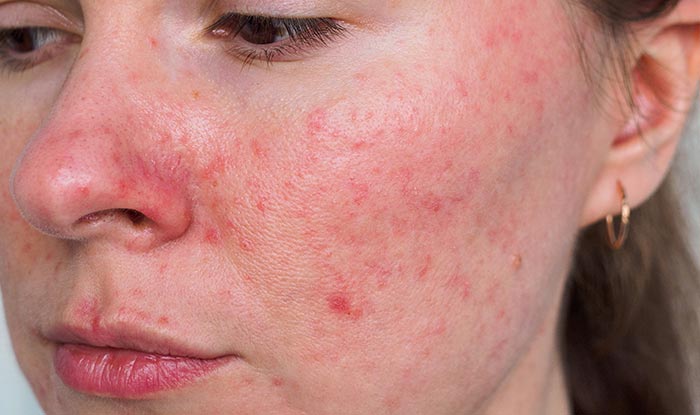
Acne vulgaris is a prevalent multifactorial dermatological condition characterized by hyperkeratinization of sebaceous follicles, often leading to post-inflammatory hyperpigmentation (PIH). Acne imposes substantial social, psychological, and physical burdens on affected individuals. The complex pathophysiology of acne, involving excessive sebum production,…

Read MoreThe Anti-Acne and Reduction of Hyperpigmentation Effects of Products Containing Retinol, Niacinamide, Ceramides, and Dipotassium Glycyrrhizinate in Chinese Women 

Synergistic Effects of Retinol and Retinyl Palmitate on UV-Induced Skin Ageing and Therapeutic Enhancement 

Skin photoageing, accelerated by ultraviolet (UV) radiation, is a significant dermatological concern characterized by DNA damage, collagen and elastin degradation, free radical production, uneven pigmentation, laxity, wrinkles, and other skin issues. While retinol (RT) and retinyl palmitate (RP) have individually…

Read MoreSynergistic Effects of Retinol and Retinyl Palmitate on UV-Induced Skin Ageing and Therapeutic Enhancement 

Research Progress on the Exacerbation of Lipid Metabolism by Malassezia and Its Impact on the Skin Barrier Function 

The skin, acting as the body’s primary defense, hosts a diverse microbial community, with the fungal genus Malassezia being a significant component. While often a commensal, excessive growth or metabolic dysregulation of Malassezia, a lipid-dependent yeast, is strongly associated with…

Read MoreResearch Progress on the Exacerbation of Lipid Metabolism by Malassezia and Its Impact on the Skin Barrier Function 

Evaluation of Sebum Control and Safety for Daily Use of a Cosmetic Elastomer Formulated with Vegetable Oils from Peruvian Biodiversity 

Excessive sebum production is a common dermatological concern, particularly among adolescents and young adults, leading to oily skin, shiny appearance, and contributing to the development of comedones and inflammatory acne lesions. The demand for effective and safe solutions, especially those…

Read MoreEvaluation of Sebum Control and Safety for Daily Use of a Cosmetic Elastomer Formulated with Vegetable Oils from Peruvian Biodiversity 

Mitigating Particulate Matter-Induced Skin Damage Through Culture Medium-Based and Topical Anti-Pollution Treatments 

Urban air pollution, characterized by elevated levels of particulate matter (PM), poses a significant threat to skin health. Exposure to PM induces oxidative stress, inflammation, and structural skin damage, contributing to premature aging and reduced skin integrity. PM, containing harmful…

Read MoreMitigating Particulate Matter-Induced Skin Damage Through Culture Medium-Based and Topical Anti-Pollution Treatments 

Exhaustive Analytical Profiling of Phytocompounds in Botanical Active Ingredients: Fighting the Global Prevalence of Adulterated Botanical Ingredients for Cosmetics 

The increasing demand for botanical active ingredients in the cosmetics industry has unfortunately led to a significant rise in the prevalence of botanical adulteration. This adulteration can occur at various stages, from the crude raw material to the processed extracts,…

Read MoreExhaustive Analytical Profiling of Phytocompounds in Botanical Active Ingredients: Fighting the Global Prevalence of Adulterated Botanical Ingredients for Cosmetics