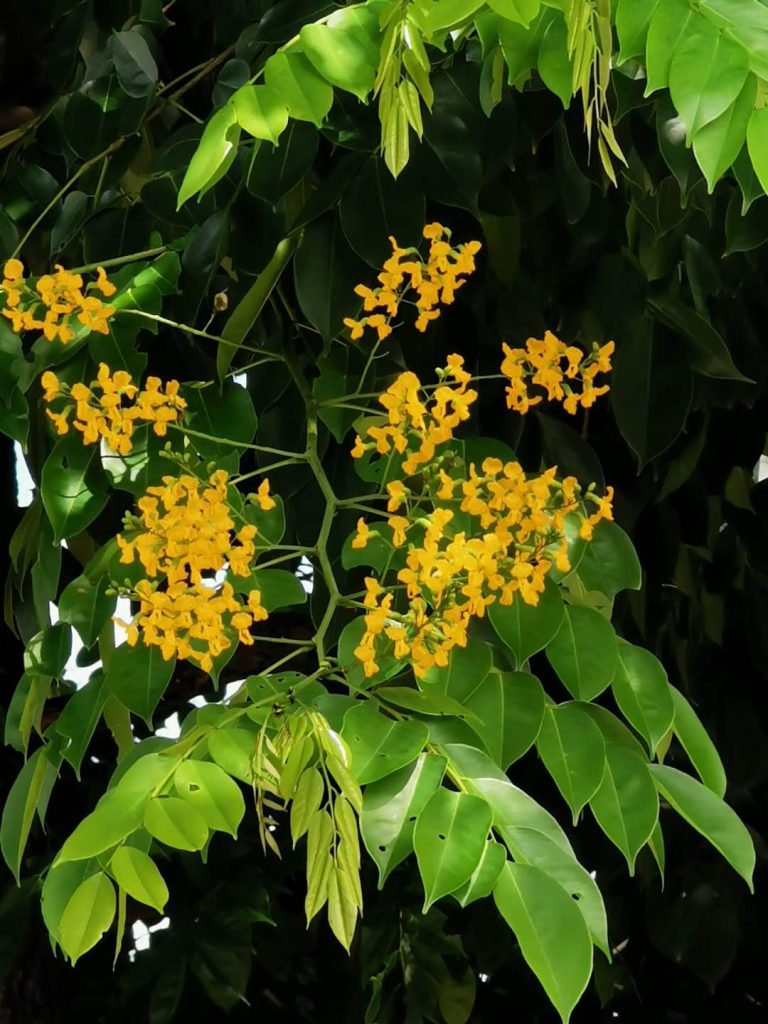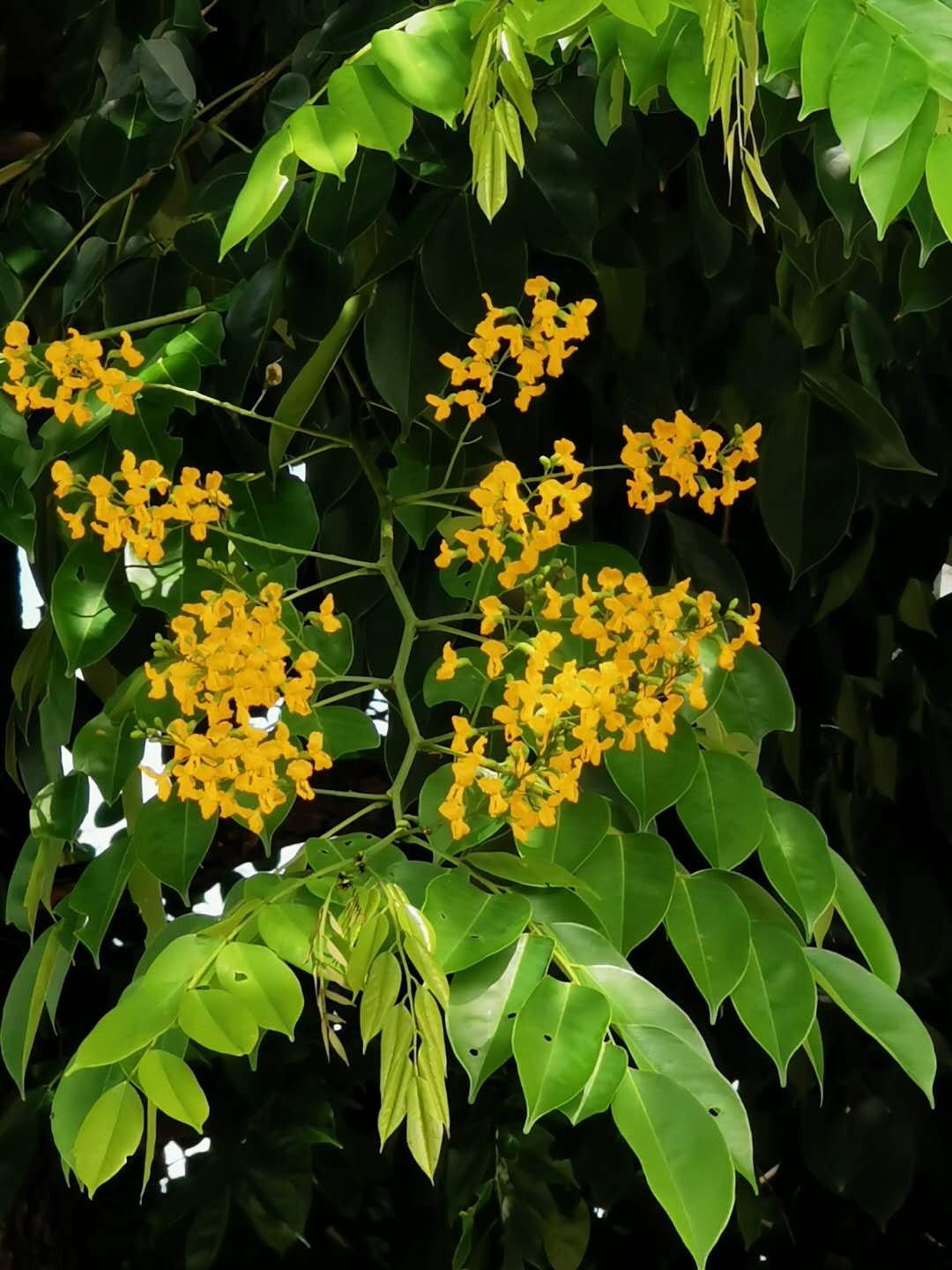

Skin wounds present a complex clinical challenge as they disrupt the body’s primary physiological barrier, leaving underlying tissues vulnerable to fluid loss and microbial contamination. Factors such as persistent inflammation, excessive oxidative stress, and pathogenic infection often impair the natural healing process, leading to delayed recovery or chronic wounds. Pterocarpus indicus, commonly known as Angsana, has been considered a potential solution due to its traditional use in treating inflammatory and skin-related conditions. This plant contains a variety of bioactive secondary metabolites—including flavonoids, terpenoids, and phenolic compounds—that provide a multi-targeted pharmacological approach by offering antimicrobial, antioxidant, and anti-inflammatory activities necessary for tissue regeneration.
Methods
This article utilized a narrative literature review approach, identifying relevant studies through major databases like Scopus, PubMed, and Google Scholar. The research prioritized original phytochemical, in vitro, and in vivo studies using keywords such as “Pterocarpus indicus,” “sap,” “stem bark,” and “wound healing”. Selected evidence was synthesized descriptively to compare the pharmacological characteristics and direct healing outcomes of different plant parts. This methodology allowed for the identification of specific research gaps regarding the topical application of the plant’s sap, bark, and leaves.
Key Findings
- Distinct Pharmacological Profiles: The sap, stem bark, and leaves of P. indicus possess unique phytochemical characteristics and should not be considered interchangeable materials for medical use.
- Stem Bark Evidence: The stem bark provides the most direct wound-specific evidence, with preclinical rat models demonstrating its ability to support re-epithelialization, although it has not yet shown superiority over standard povidone-iodine treatments.
- Leaf Bioactivity: Leaves are well-characterized for their antioxidant and antibacterial properties, containing specific metabolites like flavonol glycosides and loliolide; however, they lack direct evidence regarding wound contraction and histopathological recovery.
- Sap Potential: The sap is noted for its potential astringent properties and flavonoid content, but it remains underinvestigated in terms of dermal safety, formulation stability, and direct effects on tissue regeneration.
- Indirect Healing Support: All three plant parts demonstrate antibacterial activity against common pathogens such as Staphylococcus aureus, which provides indirect support for their role in preventing wound infection.
The novelty of this research lies in its systematic comparative approach, which differentiates between indirect pharmacological activities (like antioxidant capacity) and direct histological outcomes for three distinct plant organs. By clarifying that these parts are not interchangeable, the study highlights the necessity of organ-specific standardization. The future implications of these findings point toward the need for “head-to-head” comparative studies using identical topical vehicles and standardized doses. Such research is essential to establish the therapeutic superiority and clinical safety required to translate these traditional plant materials into validated, modern topical wound-healing agents.
Link to the study: https://multidisipliner.org/ijim/article/view/1909