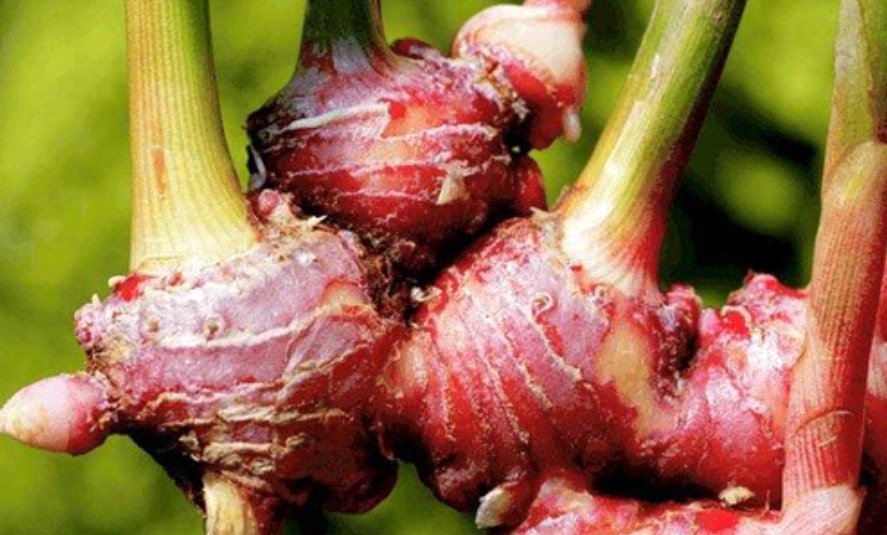
The global rise of Staphylococcus aureus infections, which account for 3% to 20% of nosocomial cases, presents a significant challenge in modern wound management. This pathogen is particularly dangerous due to its ability to form biofilms, protective structures that increase resistance to the immune system and conventional antibiotics like penicillin and vancomycin. To address the crisis of antimicrobial resistance (AMR), researchers explored Red Ginger (Zingiber officinale var. rubrum) as a solution because its bioactive compounds—gingerol, shogaol, and zingiberene—possess potent antibacterial and anti-inflammatory properties. A nanoemulgel delivery system was utilized to overcome the raw extract’s poor solubility and stability, thereby enhancing the penetration and bioavailability of these hydrophobic active compounds.
Methods
Researchers prepared the Red Ginger Extract (RGE) Nanoemulsion using probe sonication with virgin coconut oil and surfactants before integrating it into a Na-CMC gel base. In vitro tests utilized turbidimetric microdilution and crystal violet staining to measure antibacterial and anti-biofilm inhibition against S. aureus. In vivo efficacy was evaluated using a preclinical mouse model with infected incision wounds, comparing RGE Nanoemulgel against Mupirocin and Gentamicin. The therapeutic outcome was quantified by analyzing bacterial abundance (log CFU/gram) and the percentage of wound contraction over a 12-day period.
Key Findings
- Enhanced Antimicrobial Efficacy: At a 25% concentration, the RGE Nanoemulsion achieved 75.11% antibacterial inhibition, which significantly exceeded the 51.18% inhibition shown by Gentamicin.
- High Biofilm Disruption: The formulation reached an anti-biofilm inhibition of 90.79% at a 50% concentration, far outperforming standard Gentamicin at 44.52%.
- Comparable Bacterial Suppression: In animal models, the nanoemulgel suppressed bacterial load to 3.96 log CFU/gram, a result comparable to the clinical standard, Mupirocin.
- Rapid Wound Healing: The RGE Nanoemulgel group achieved a 93.50% wound contraction rate by Day 12, whereas the Mupirocin group only reached 63.16%.
- Dual-Action Benefits: While the nanoformulation primarily boosts antibacterial activity, the phytochemicals in the ginger facilitate tissue regeneration and collagen synthesis during the remodeling phase.
The novelty of this research is the development of a non-antibiotic topical candidate that effectively merges antimicrobial, anti-biofilm, and regenerative properties into a single delivery system. This approach offers a promising alternative for managing infections without increasing the selection pressure that drives antibiotic resistance. Future implications for this research include the necessity for human clinical trials (Phase I/II) and further molecular analysis to fully map the pathways that promote tissue repair in resistant wound environments.
Link to the study: https://gelinkes.poltekkesdepkes-sby.ac.id/index.php/gelinkes/article/view/460/229