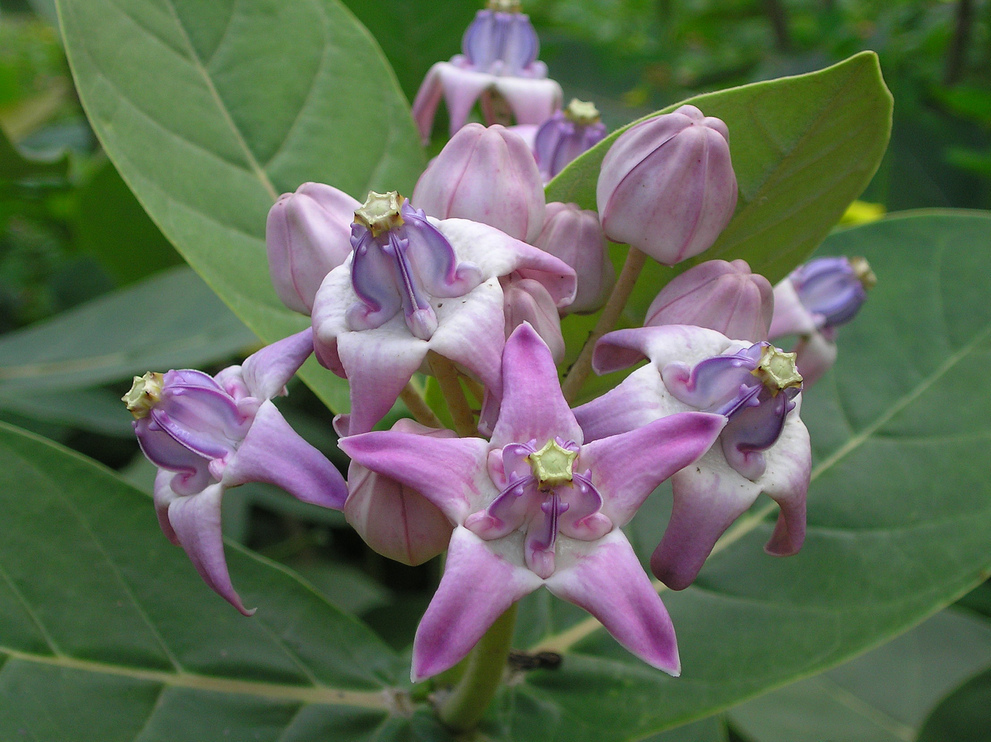
Fungal infections represent a significant global health challenge, ranging from superficial skin irritations to life-threatening systemic conditions, particularly in immunocompromised individuals. Candida albicans is identified as one of the most prevalent opportunistic pathogens responsible for these infections. While conventional therapies like azoles and polyenes are widely used, they are frequently limited by high costs, toxicity, and the increasing emergence of drug-resistant strains,. Consequently, there is an urgent need for safer, more economical alternatives, leading researchers to explore herbal medicines. Medicinal plants like Calotropis gigantea are considered an ideal solution due to their rich content of bioactive compounds—such as flavonoids, tannins, and glycosides—which provide natural antimicrobial, anti-inflammatory, and wound-healing properties without the severe side effects of synthetic drugs,.
Methods
The researchers employed cold maceration with ethanol to extract bioactive constituents from Calotropis gigantea leaves, neem, and turmeric,,. Three distinct oil-in-water cream formulations (F1, F2, and F3) were developed by emulsifying a heated oil phase containing neem oil and beeswax with an aqueous phase of aloe vera gel,,. These formulations were rigorously evaluated for physicochemical parameters including pH, spreadability, and washability,,. Finally, the agar well diffusion method was used to determine in-vitro antifungal efficacy against Candida albicans.
Key Findings
- Optimal Physicochemical Properties: All formulations (F1, F2, F3) exhibited a smooth, non-greasy texture with a pH range of 5.9 to 6.3, which is highly compatible with human skin,,.
- Superior Safety Profile: The herbal creams showed no signs of skin irritation, erythema, or edema during 24-hour irritancy tests and remained free of microbial contamination,,.
- Dose-Dependent Antifungal Efficacy: Formulation F3 exhibited the highest antifungal activity with a 16 mm zone of inhibition, proving that higher concentrations of the plant extract directly enhance effectiveness,,.
- Synergistic Action: The combination of Calotropis gigantea with neem, turmeric, and aloe vera created a synergistic effect, enhancing the cream’s antimicrobial and healing capabilities,,.
- Mechanism of Action: The antifungal success is attributed to phytochemicals like tannins and flavonoids that disrupt fungal cell membranes and inhibit spore germination,.
The novelty of this research lies in the successful integration of Calotropis gigantea with a specific blend of supportive herbs to create a potent, eco-friendly, and cost-effective alternative to synthetic antifungal agents,. By utilizing natural bioactive compounds, the study provides a safe topical delivery system that minimizes systemic side effects while maintaining high patient acceptability,. Future implications of this work include the potential for advanced delivery systems like nanoemulsions to improve skin penetration and the necessity of conducting in-vivo studies and clinical trials to validate these findings for commercial pharmaceutical use,.
Link to the study: https://ijcrt.org.in/index.php/ijcrt/article/view/202/176