Month June 2026

Advancing Antifungal Wound Care: A Review of Cyanobacteria-Mediated TiO₂ and Propolis Nanocreams
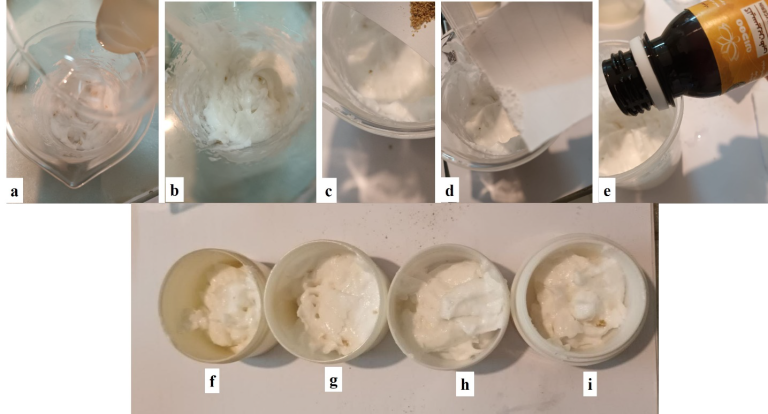
Wounds, defined as disruptions in tissue integrity, become a significant medical burden when they transition into chronic states that fail to heal due to physiological conditions or persistent infections. A critical global challenge is the rising drug resistance against conventional…
Read MoreAdvancing Antifungal Wound Care: A Review of Cyanobacteria-Mediated TiO₂ and Propolis Nanocreams

Harnessing Marine-Derived Polyketides: A New Frontier in Metabolic and Regenerative Wound Care

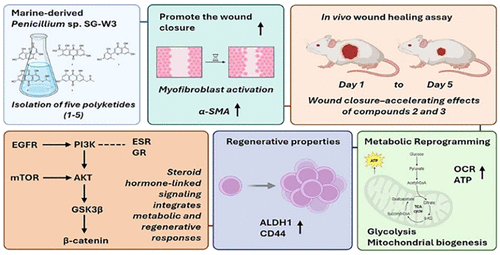
The clinical management of cutaneous wounds remains a significant challenge, as factors such as diabetes, advanced age, and vascular insufficiency often lead to chronic, non-healing ulcers. These conditions are associated with high patient morbidity and mortality, yet current treatments—such as…

Read MoreHarnessing Marine-Derived Polyketides: A New Frontier in Metabolic and Regenerative Wound Care

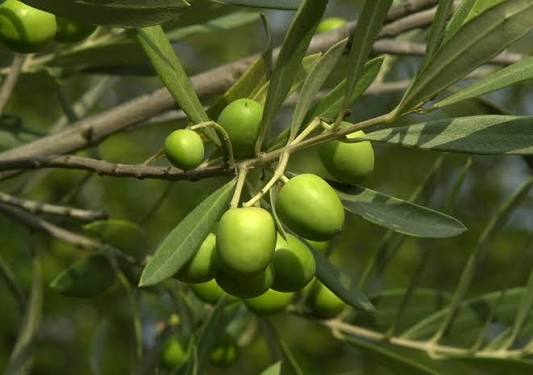
Comparative Analysis of Wild Oleaster and Cultivated Olive Leaves as Sustainable Bioactive Ingredients

The cosmetic industry faces an increasing need for sustainable, locally produced ingredients capable of withstanding shifting environmental conditions caused by global warming. While the cultivated olive tree (Olea europaea var. europaea) is prized for its bioactive leaves rich in antioxidants…

Read MoreComparative Analysis of Wild Oleaster and Cultivated Olive Leaves as Sustainable Bioactive Ingredients

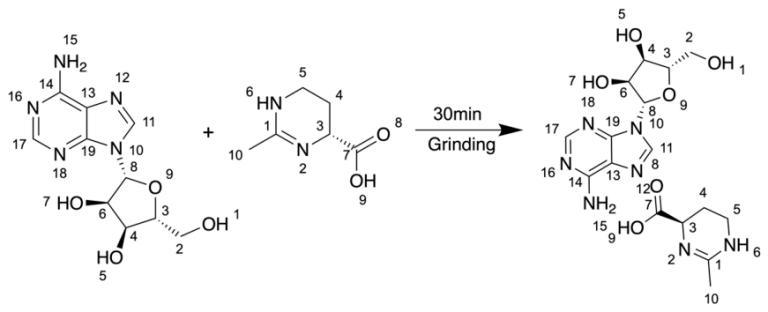
Advanced Supramolecular Engineering: Enhancing Adenosine Delivery via Ectoine Cocrystallization

Skin aging is a complex process driven by intrinsic and extrinsic factors that lead to the accumulation of reactive oxygen species (ROS), resulting in collagen degradation and impaired barrier function. Adenosine is a well-regarded bioactive ingredient capable of stimulating collagen…

Read MoreAdvanced Supramolecular Engineering: Enhancing Adenosine Delivery via Ectoine Cocrystallization

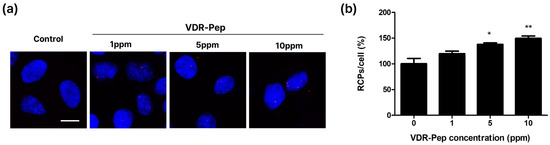
Advancing Dermatological Science: VDR-Activating Peptides for Skin Barrier Health and Photoprotection

The epidermis functions as the body’s primary shield, regulating water loss and protecting against environmental stressors through complex programs of keratinocyte differentiation and transcriptional networks. A central regulator of this biology is the Vitamin D Receptor (VDR), which modulates the…

Read MoreAdvancing Dermatological Science: VDR-Activating Peptides for Skin Barrier Health and Photoprotection

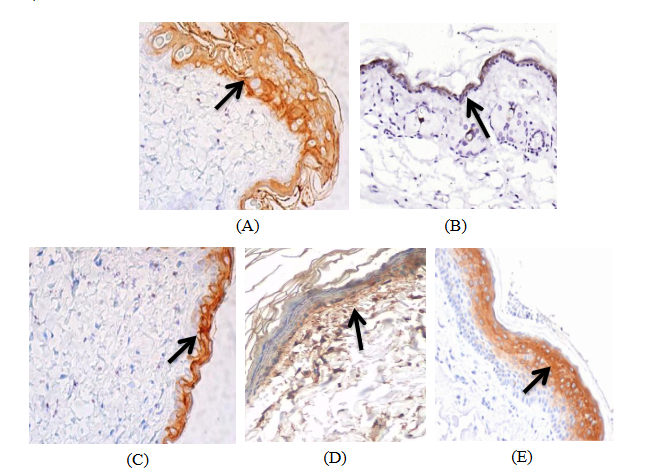
Potent Photoprotection: A Review of Catharanthus roseus Extract Gel against UVB-Induced Oxidative Stress

Ultraviolet B (UVB) exposure is a primary trigger for skin damage, as it generates free radicals that induce oxidative stress and deplete endogenous antioxidant enzymes like Glutathione Peroxidase (GPx). This oxidative environment activates the Microphthalmia-associated Transcription Factor (MITF), which regulates…

Read MorePotent Photoprotection: A Review of Catharanthus roseus Extract Gel against UVB-Induced Oxidative Stress

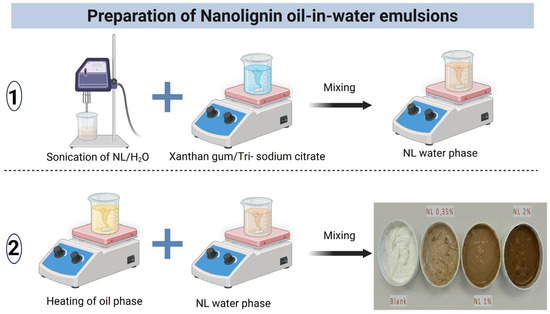
Kraft Nanolignin: A Sustainable Multifunctional Solution for Modern Formulations

The cosmetic industry is currently facing a shift driven by increasing consumer demand and stricter regulatory frameworks for sustainable, bio-based, and skin-compatible ingredients. Conventional synthetic ingredients are being scrutinized, leading researchers to explore renewable alternatives that can protect the skin…

Read MoreKraft Nanolignin: A Sustainable Multifunctional Solution for Modern Formulations

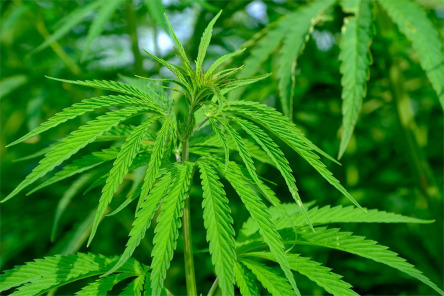
Optimizing Hemp Leaf Valorization: Extraction Methods for Stable Skincare Formulations

Historically, hemp leaves (Cannabis sativa L.) have been discarded as agricultural waste because they contain lower concentrations of cannabidiol (CBD) compared to the plant’s flowers. However, the substantial biomass produced per plant presents a cost-effective opportunity for the cosmetic industry…

Read MoreOptimizing Hemp Leaf Valorization: Extraction Methods for Stable Skincare Formulations

Selective Antimicrobial Efficacy and Microbiome Modulation of Centella asiatica Extract in Skin Health

The human skin is a dynamic ecosystem where a balanced microbial community maintains barrier integrity and prevents pathogen colonization. However, injuries and external factors can lead to dysbiosis, an imbalance that allows opportunistic “ESKAPE” pathogens—such as Staphylococcus aureus and Pseudomonas…

Read MoreSelective Antimicrobial Efficacy and Microbiome Modulation of Centella asiatica Extract in Skin Health